Leave Your Message
Picking out the perfect Grass Sprinkler isn’t just about how far the water sprays or how much it costs on the shelf. Honestly, it’s really about matching your water delivery to your soil type, grass variety, yard shape, and the local weather. For example, a narrow side strip needs a totally different watering approach compared to a big Kentucky bluegrass lawn. Small details matter here — even one dry corner can be a dead giveaway that something’s off with your setup.
The U.S. Environmental Protection Agency says that about 30% of household water gets used outdoors — crazy, right? And their WaterSense program estimates that almost half of the water used for irrigation could be wasted if you’re not careful. That means choosing the right sprinkler isn’t just about convenience — it’s about saving resources. If you’ve got a big, open space, a Rotary Sprinkler might do the trick. But for rectangular lawns, an oscillating sprinkler can give a more even coverage. And around flower beds or plant beds, drip irrigation might be the way to go. Basically, the best option depends on testing how well it actually waters your yard.
Experience out in the field can make a huge difference too. After watering once, look for puddles, misting, Nozzles that aren’t working right, or uneven green spots. Remember, a timer can’t fix bad placement — it just keeps repeating the mistake. The Irrigation Association recommends some best practices like system checks, managing water pressure, and making sure your watering rates match the needs of your lawn. The EPA’s WaterSense specs even highlight pressure regulation to cut down on misting and runoff. But honestly, product labels can be pretty confusing, and your yard doesn’t exactly match the perfect lab conditions. That’s why it’s so important to actually test things out. Just set out some shallow catch cans across your yard, run your sprinkler, then see how much water each one catches. This quick test might surprise you and challenge your assumptions about what’s the ‘best’ sprinkler. The truth is, no one-size-fits-all model exists. Soil type, weather, maintenance, and honest observation should all guide your final choice — no shortcuts needed.
What Is the Best Grass Sprinkler for Your Lawn?
Types of Grass Sprinklers and How They Distribute Water
Choosing a grass Sprinkler Starts with understanding how it spreads water. An oscillating sprinkler sends water through a moving bar, creating a rectangular pattern. It suits broad, level lawns with few obstacles. However, its outer edges may receive less water than the center. I learned this after finding dry strips near a fence.
An impact sprinkler rotates a strong stream in a circular pattern. It covers larger areas and performs well in open yards. Wind can distort its spray, though. A rotary sprinkler uses several rotating arms and applies water more slowly. This gentle delivery can reduce runoff on compacted soil or mild slopes. It often needs steady pressure to maintain even coverage.
Fixed Spray Sprinklers release water over one unchanging area. They work around flower beds, narrow grass sections, and corners. Their short-range spray may waste water on sidewalks if positioned carelessly. Traveling sprinklers move across the lawn while spraying. They cover long spaces, but their path must remain clear. Do not trust the advertised coverage alone. Measure the wet area with small containers, then compare water depth after fifteen minutes. Grass usually benefits from deep, consistent watering rather than frequent surface wetting. My first setup looked efficient, but it watered the pavement more than the roots. A simple adjustment helped. Sometimes, the best sprinkler is not the strongest one, but the one matching your lawn’s shape, soil, and water pressure.
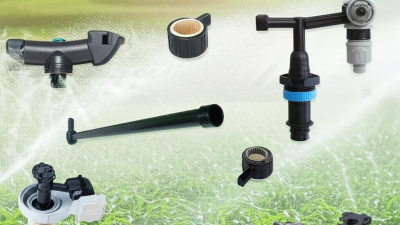
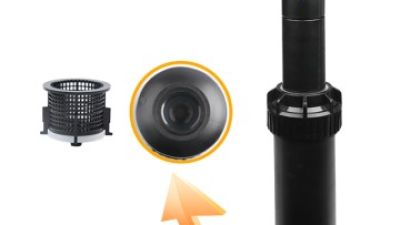
The RL5100HS professional 1/2-inch PP rotor sprinkler is designed for dependable irrigation in patios, compact gardens, and urban landscapes. Its gear-driven mechanism provides stable 360° coverage, while the UV-resistant polypropylene housing supports long-term outdoor use. A built-in check valve helps prevent low-head drainage, reducing water loss and maintaining more consistent distribution across the irrigated area. Compatibility with standard 1/2-inch systems also simplifies installation for residential and light commercial projects.
Water efficiency is increasingly important: the U.S. Environmental Protection Agency’s WaterSense program estimates that landscape irrigation can waste up to 50% of outdoor water because of evaporation, runoff, and inefficient equipment. In addition, the United Nations World Water Development Report identifies agriculture as responsible for approximately 70% of global freshwater withdrawals. Against this background, the RL5100HS uses pressure-tested seals, corrosion-resistant components, permanent lubrication, and a precision gear assembly to support reliable operation and controlled water delivery.
Tested for more than 500 operating hours, the sprinkler is engineered for leak-resistant performance without premium operating costs. Its compact profile suits small landscapes where stability and even coverage are essential, while the durable internal structure helps reduce maintenance demands. A two-year warranty further supports its use by homeowners, landscapers, and professional irrigation installers seeking a practical solution from China suppliers.
: Choose a compact oscillating sprinkler with a gentle rectangular spray. It can water grass beside paths with less waste. Keep it simple.
A rotary sprinkler often works well around curved edges, trees, and flower beds. Adjust the spray to avoid nearby plants.
Divide the lawn into smaller watering zones. Uneven spaces often need two zones for better coverage. One setup may not fit everything.
Check the coverage area, water pressure, and adjustment range. Place the sprinkler near the center when possible. Sketch the lawn first.
Long-distance spray may miss grass near the connection point. Use overlapping patterns, then inspect wet and dry areas after one cycle.
Moderate overlap can reduce dry strips. Excessive overlap may create muddy soil, especially near patios or low spots. More water is not always better.
Place small catch cans across the grass. Compare their water levels after one cycle. Uneven amounts reveal pattern problems quickly.
Rotating sprinklers often cover larger areas with slower, steadier spray. Oscillating sprinklers suit rectangular lawns, but wind can distort their reach.
Wind can push spray away from narrow strips. Tall grass may block water. Retest after mowing because coverage can change.
Check soil moisture before extending the schedule. A screwdriver can test root-zone moisture. Water early, when evaporation and wind are usually lower.
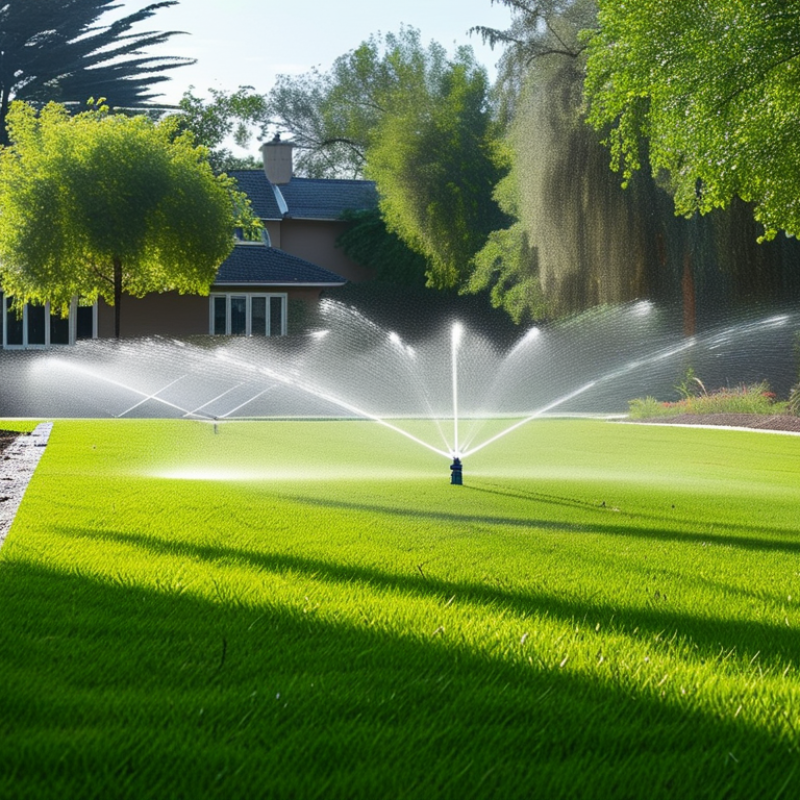
Choosing the best Grass Sprinkler for your lawn starts with understanding how different types distribute water. Oscillating, rotary, impact, and stationary sprinklers each provide different spray patterns, distances, and coverage levels. The right choice depends on your lawn’s size, shape, soil type, water pressure, and the amount of adjustment needed. Small or irregular areas may benefit from a flexible sprinkler with directional controls, while larger lawns often require wider coverage or multiple watering zones. Water efficiency is also important, so select a system that delivers even moisture without excessive runoff, misting, or overspray.
Proper installation and positioning help ensure consistent irrigation. Place the sprinkler on stable, level ground and adjust its range to keep water on the grass rather than sidewalks or buildings. Observe the spray pattern and reposition it when necessary to eliminate dry spots. Regular maintenance, including cleaning nozzles, checking connections, and inspecting for leaks or blockages, will help the sprinkler operate reliably. With careful selection, placement, and upkeep, a Grass Sprinkler can support healthier, greener lawn growth while reducing unnecessary water use.