Leave Your Message
0%

Alright, so you're on the hunt for one of those 10 best Irrigation Valves — and let's be real, there's a lot riding on this. But before you get lost in specs, ask yourself the most basic question: what exactly does this valve need to control? Because a drip line in a greenhouse with tomatoes? That's a whole different ballgame than a big turf area or some orchard out in the middle of nowhere. You've got flow rate, operating pressure, water quality, power supply, and let's not forget maintenance access — all of them play a part in deciding which one's right. Honestly, there's no single valve that's perfect for every single field.

You ever hear about Dr. Michael D. Dukes? He's this researcher who digs into irrigation engineering—basically, how we manage water and make sure it's used efficiently. The big takeaway from his work? Well, here's the gist: "Make your irrigation match what the crops actually need, the kind of soil you're dealing with, and how much water you've got available." I'm paraphrasing that, by the way—not a quote or anything. But that's the heart of it. And honestly, that principle really comes into play when you're scratching your head over solenoid valves vs. hydraulic models, or trying to wrap your mind around smart control systems. Honestly, when you're shopping for an irrigation valve, you want one that opens and closes like clockwork, can handle whatever your water throws at it, and won't be a pain to fix if a part wears out. Before you hand over your cash, double-check the connection sizes, pressure limits, flow capacity, and make sure it plays nice with your controller. And hey, the little stuff matters more than you'd think.

You know, a Valve Irrigation System isn't just about the valve itself—it really depends on good filtration, proper installation, and checking things regularly. If sediment builds up, it can clog the pilot port, and if the power supply is weak, the whole thing might just stop working. For buyers overseas, I'd say don't just look at the price tag; make sure you can actually get spare parts locally and that the technical manuals are clear enough to follow. Otherwise, you might end up with a headache later. You know, when we put together our shortlist, we look at practical stuff—durability, control options, all that. But honestly, specs can only tell you so much; they can't predict every field condition. So testing a valve under real operating pressure? That's just smart. At the end of the day, the right valve is the one that fits your system, works reliably, and doesn't give you headaches when it comes to maintenance.
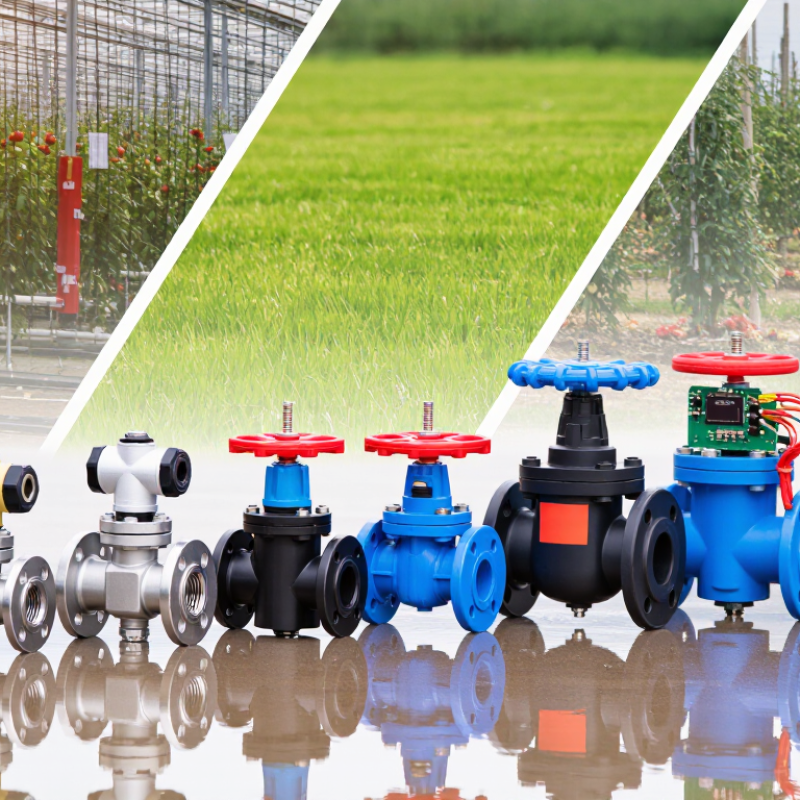
10 Best Irrigation Valves for Global Buyers

Understanding Irrigation Valves and Their Role in Water Distribution

An irrigation valve is the control point between a water source and a planting zone. It opens, closes, or regulates flow so lawns, beds, and drip lines receive water when needed. A well-matched Irrigation System Valve helps distribute water consistently, but it cannot compensate for poorly planned pipes or mismatched sprinklers. Small details matter.

Different zones often need different flow rates and pressures. Drip tubing may require lower pressure than a spray zone, while long pipe runs can reduce pressure before water reaches the plants. Choose a valve sized for the expected flow, and check whether its materials suit the water conditions and installation environment. A valve that is too small can restrict flow; one that is oversized may not operate reliably at low flow. There is no universal fit.

Valves may be opened manually or controlled by an electrical signal from a timer. In either case, accessible placement makes inspection and repairs easier. Look for leaks around fittings, sluggish opening, and uneven watering across the zone. A clogged filter or damaged line can look like a valve problem, so check the whole path before replacing parts. Not glamorous, but important. Backflow protection is a separate component in many systems; the valve alone should not be treated as a substitute. It is easy to blame the controller, yet sometimes the quieter issue sits underground.

Main Types of Valves Used in Irrigation Systems

Irrigation systems rely on different valves to control flow, isolate sections, and protect pipes.

Gate valves open or close a line with little restriction when fully open.
Ball valves turn quickly and work well for shutoff near filters or pump connections.
Butterfly valves suit larger pipes, where a compact body matters. They may not provide precise flow adjustment.
Globe valves offer finer flow control, though they can create more pressure loss.

Check valves help prevent reverse flow when a pump stops. In automated systems, solenoid valves open and close zones in response to an electrical controller. Pressure-regulating valves help keep sprinklers within their intended operating range. Air-release valves can reduce trapped air in suitable pipeline locations.

The right choice depends on pipe size, water quality, operating pressure, and maintenance access—not just the valve type. A frequent oversight is choosing a valve that fits the pipe but is awkward to service.

Tips: Check the valve’s pressure rating and connection size before installation. Keep a shutoff valve accessible, and inspect screens or seals when flow becomes uneven. Small leaks matter. Dirt can still cause trouble, even with a well-selected valve.

Criteria for Choosing Valves in Different Markets

In dry, high-evaporation regions, buyers may need valves that support frequent irrigation cycles and precise flow control. In monsoon areas, drainage and dependable sealing matter more, since standing water and debris can strain equipment. Match the valve’s pressure range to the actual supply, not an ideal reading from a brochure. Pressure matters.

Water quality also varies by market. Sand, mineral deposits, or mildly saline water can affect moving parts and seals. Check material compatibility and filtration needs before choosing a Sprinkler Irrigation Valve. A small filter may help, but it cannot fix every water-quality problem. Keep it simple.

For small gardens, compact valves and straightforward manual controls may be easier to maintain. Larger farms often benefit from valves compatible with automated controllers, provided power and replacement parts are reliably available. Confirm connection sizes, flow rates, and operating pressure against the irrigation layout. Local technicians should be able to inspect and service the valve without special tools. Certification requirements differ by destination, so verify current market specifications with qualified local suppliers. It is easy to over-specify a valve; a field check of pressure and water quality can prevent an expensive mismatch.

Global Irrigation Valve Selection: Common Nominal Connection Sizes

Nominal inch sizes converted to millimetres for comparing valve listings across markets.

Values are arithmetic inch-to-millimetre conversions of nominal size labels, not measured internal diameters. Confirm the valve connection standard and match it to the pipework and required flow.

Ten Irrigation Valves Suited to Global Buyers

Irrigation systems vary widely, from small greenhouse lines to broad agricultural networks. A useful shortlist includes gate, globe, ball, butterfly, diaphragm, solenoid, pressure-reducing, pressure-relief, check, and air-release valves. Each serves a different task, so matching the valve to flow, pressure, and water quality matters more than choosing by name alone.

Gate valves suit isolation, while globe valves allow more controlled flow adjustment. Ball valves open and close quickly; butterfly valves save space on larger pipes. Diaphragm valves can handle water containing some suspended particles, but seal material still needs careful selection. Solenoid valves support automated zones, especially when paired with an Irrigation Valve Controller. Check valves help prevent reverse flow, and air-release valves remove trapped air. Small details matter.

Pressure-reducing valves protect downstream equipment when supply pressure is high. Pressure-relief valves provide another layer of protection, though they must be sized for the system. Buyers should check connection dimensions, operating pressure, local service access, and replacement-part availability. Materials also matter: mineral-rich water, sunlight, and temperature swings can shorten component life. A product sheet may look convincing, yet field conditions are rarely that tidy. Test a sample under actual operating conditions when possible, and document any pressure changes before full installation.

Comparing Materials, Flow Capacity, and Control Features

Irrigation valves face wet soil, pressure changes, and long hours in direct sun. Nylon-reinforced bodies are lightweight and resist corrosion, while brass and stainless steel can suit tougher installations. Material alone does not determine service life. Check seals, water quality, and operating pressure against the manufacturer’s specifications. A valve that looks sturdy may still have seals poorly matched to the water.

Flow capacity matters just as much. Compare the valve’s rated flow or flow coefficient with the zone’s actual demand, pipe size, and available pressure. Undersizing can reduce sprinkler reach; oversizing may make low-flow operation less stable. Small details count. An Irrigation System Solenoid Valveshould also match the system’s voltage and controller output. Confirm whether it is Normally closed or normally open, and check for a manual override if field adjustments are likely.

Control features affect maintenance, too. A removable bonnet or accessible diaphragm can make cleaning simpler when grit collects near the inlet. Built-in filtration helps, but it cannot replace a suitable upstream filter. Surge protection may be useful where electrical supply fluctuates. Catalog ratings are helpful, yet site conditions can differ. It is easy to overlook water temperature or pressure spikes during selection, and that deserves a second look.

Installation, Compatibility, and Long-Term Maintenance

Selecting an irrigation valve is not only about size. Match its flow range and pressure rating to the actual zone, then check pipe threads, voltage, and controller type. A valve that fits the pipe may still fail electrically or restrict flow. Small details matter.

During installation, follow the flow arrow on the valve body and leave room to remove the solenoid and bonnet. Flush grit from the line before connecting the valve; a tiny particle can keep a diaphragm from sealing. Use compatible fittings and sealants, and avoid overtightening plastic threads. FAO’s AQUASTAT water-use summaries attribute roughly 70% of global freshwater withdrawals to agriculture, making dependable flow control a practical concern, not a minor upgrade.

For maintenance, inspect valve boxes after heavy rain, check for damp soil around joints, and test each zone at the start of the season. USGS’s 2015 national water-use report estimated U.S. irrigation withdrawals at 118 billion gallons per day. That figure is not a valve-performance measure, but it shows the scale of water moving through irrigation systems. Keep spare diaphragms and solenoids matched to the exact valve model. Compatibility charts can help, but they do not replace checking operating pressure on site. A paper match can still leak.

FAQS

What does an irrigation valve do?

It controls water flow to a planting zone. It can open, close, or regulate flow.

How should I choose a valve size?

Match its flow range to the zone’s expected demand. An undersized valve can restrict flow, while an oversized one may struggle at low flow. There is no universal fit.

Do different irrigation zones need different pressure?

Often. Drip tubing may need less pressure than Spray Heads. Long pipe runs can also reduce pressure before water reaches plants.

What should I check for compatibility?

Check flow range, pressure rating, pipe threads, voltage, and controller type. A valve can fit the pipe but still fail electrically.

What installation details matter?

Follow the flow arrow on the valve body. Flush grit from the line, use compatible fittings, and avoid overtightening plastic threads. Leave room to remove the solenoid and bonnet.

How can I tell whether the valve is causing uneven watering?

Look for leaks, slow opening, or uneven coverage across the zone. Check the filter and line too; a clog or damaged pipe can mimic a valve problem. The fault may be underground.

What routine maintenance helps prevent problems?

Inspect valve boxes after heavy rain and check for damp soil around joints. Test each zone at the start of the season. A neat match on paper can still leak.

Does an irrigation valve provide backflow protection?

Not by itself. Backflow protection is a separate component in many systems, so do not treat the valve as a substitute.

Conclusion

This guide explains how an Irrigation Valve helps manage water flow, pressure, and distribution across agricultural, landscape, and commercial systems. It introduces common valve types, including manual, solenoid, pressure-regulating, and check valves, and describes how their functions suit different irrigation layouts. Buyers can compare ten practical valve options by considering factors such as operating pressure, required flow capacity, water quality, climate, system scale, and local availability.

The guide also compares materials and control features to help readers balance durability, ease of operation, and performance. It outlines key installation and compatibility considerations, such as pipe connections, power requirements, and integration with controllers. Finally, it covers routine inspection and maintenance practices that can help reduce leaks, prevent blockages, and extend service life, enabling buyers in different markets to select valves that fit their systems and long-term needs.
Isabella

Isabella

Isabella is a dedicated marketing professional at RAIN LING, where she combines her passion for sustainable innovation with an exceptional understanding of the company’s pioneering irrigation solutions. With a keen eye for detail and a commitment to precision, she ensures that every piece of......
Previous China Top Sprinkler Valve Manufacturers for Global Buyers