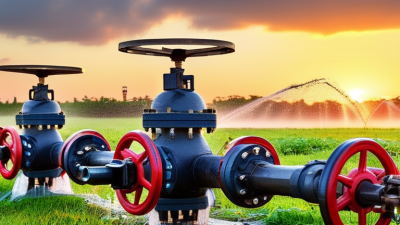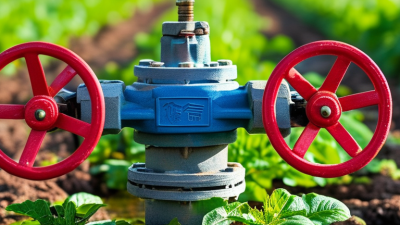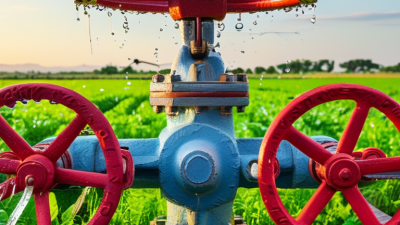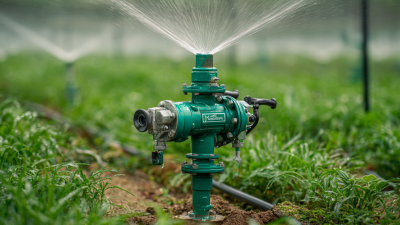
Picking out the right Sprinkler Irrigation Valve isn't just about comparing prices — it’s really about how it performs in the field. You’ve gotta look at things like flow range, operating pressure, valve size, the body material, how well it seals, and whether it plays nicely with your control system. Sometimes, a valve that looks great in a catalog might not cut it when faced with mineral-laden water or unstable pressure. Small details actually matter a lot — like, for instance, a clogged filter can shut down the whole irrigation zone, and you don’t want that happening!
Dr. Charles M. Burt, a well-respected irrigation engineer and founder of the Irrigation Training and Research Center, once said, “Uniformity matters more than impressive flow.” And honestly, that advice guides my thinking when I’m checking out the 10 Best Sprinkler Irrigation Valves for global buyers. The best products are reliable — they water evenly, avoid leaks, and support automation that actually works.
When reviewing options, I look at how quickly the solenoid responds, how tough the diaphragm is, how well it handles pressure changes, if it offers backflow protection, and how easy it is to access for maintenance. Plus, I think about real-world conditions — whether it’s on farms, nurseries, big landscaping jobs, or greenhouses. And keep in mind, water quality and local installation standards can be totally different depending on whether you’re in Europe, North America, Asia, Africa, or the Middle East.
Let’s be real — there’s no such thing as a perfect valve. A brass one might stand up to harsh conditions but can be pricey and heavy. On the other hand, a reinforced plastic valve can be easier to install — but quality isn’t always consistent between brands. Some models even come with fancy smart control features, though don’t count on those helping much if you’re in a remote field where connectivity is iffy.
Also, I pay attention to the supplier’s reliability. Clear technical info, spare parts availability, warranty details, and good customer support can make or break your experience — sometimes more than the product itself. Ultimately, your choice should be based on what’s right for your site, not just what’s ranked highest. Mistakes happen; that’s normal. But careful testing and research are always worth the effort.
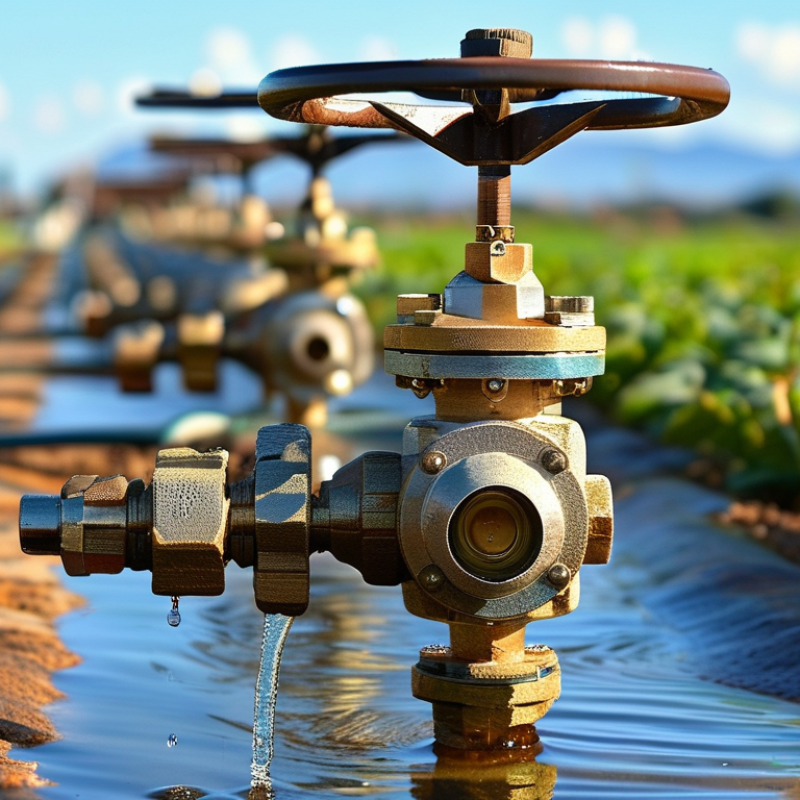
Sprinkler irrigation valves regulate when, where, and how much water reaches each zone. They open under controller commands, then close to stop flow and protect pressure balance. This simple action affects coverage, crop health, labor, and operating cost. The FAO AQUASTAT database reports that agriculture uses about 70% of global freshwater withdrawals. Small valve losses can therefore become large resource losses.
A reliable valve manages pressure without sudden surges. It also supports maintenance, filtration, and safe isolation during repairs. Field technicians commonly inspect diaphragm wear, blocked ports, leaking seals, and unstable solenoids. These details matter more than impressive catalog claims. The Irrigation Association recommends matching valve capacity with system flow, pressure, and water quality. Oversized valves may operate poorly at low flow. Undersized valves can create excessive pressure loss.
Material choice changes performance in hot, cold, sandy, or chemically treated water. ISO 7714 provides requirements for Automatic irrigation valves, including flow control and pressure behavior. Buyers should request test conditions, not only headline specifications. A valve rated for clean water may struggle with sediment. That mistake is common. It deserves more attention.
The best selection also considers replacement parts, voltage compatibility, connection standards, and local service skills. Remote farms may value manual override capability. Urban landscapes may prioritize quiet operation and leak detection. No valve is perfect. Its usefulness depends on correct sizing, installation, flushing, and seasonal inspection.
The Main Types of Sprinkler Irrigation Valves
Sprinkler irrigation valves control water flow, pressure, and watering schedules. The right type depends on crop layout, water quality, and field size. Solenoid valves are common in automated systems. They open when an electric controller sends a signal. These valves suit gardens, nurseries, and medium-sized farms. Manual valves use a handwheel or lever. They are simple, affordable, and useful where electricity is unreliable. However, manual operation can cause missed watering cycles.
Check valves help prevent water from flowing backward through irrigation lines. This feature protects pumps and reduces contamination risks. Pressure-regulating valves maintain steady outlet pressure. They are valuable when sprinklers sit at different elevations. Excess pressure may create mist instead of an even spray. Flow-control valves allow operators to adjust water volume. They can support careful water management, but incorrect adjustment may reduce coverage. In my experience, selecting only by pipe size is a common mistake. System pressure and local water conditions matter just as much.
Tips: Test each valve before installation. Measure pressure at the farthest sprinkler. Choose corrosion-resistant materials for humid or salty areas. Keep filters accessible for cleaning. A small leak can become expensive over a season. For global buyers, confirm thread standards, voltage requirements, replacement parts, and installation guidance. Product documents should clearly state operating pressure and temperature limits. When uncertain, consult a qualified irrigation technician and test the layout with actual sprinklers.
| No. | Valve Type | Primary Function | Actuation Method | Common Nominal Sizes | Typical Working Pressure | Typical Flow Range | Best Application | Main Advantages | Important Buying Considerations |
|---|---|---|---|---|---|---|---|---|---|
| 1 | Electric Solenoid Valve | Automatically starts and stops water flow to individual irrigation zones. | Normally closed electromagnetic solenoid, controlled by a timer or Irrigation Controller. | ¾, 1, 1¼, 1½, 2 inches | About 1.0–10 bar | Approximately 20–380 L/min, depending on size and pressure loss. | Residential, commercial, greenhouse, and field-zone automation. | Precise scheduling, remote control, and broad controller compatibility. | Verify voltage, coil type, minimum operating pressure, flow direction, and filtration requirements. |
| 2 | Hydraulic Diaphragm Valve | Controls large water flows by using pressure above and below a flexible diaphragm. | Hydraulic pressure, often operated by a small pilot valve or solenoid. | 1, 1½, 2, 3, 4, 6 inches | About 0.7–16 bar | Approximately 30–2,500 L/min, depending on diameter and valve design. | Large agricultural blocks, golf courses, nurseries, and municipal landscapes. | High capacity, smooth operation, and suitability for automatic control. | Clean water and adequate differential pressure are usually needed for reliable closing. |
| 3 | Pressure-Regulating Valve | Reduces excessive inlet pressure and maintains a more stable downstream pressure. | Self-operated hydraulic diaphragm or spring-and-diaphragm mechanism. | ¾, 1, 1¼, 1½, 2, 3 inches | Inlet commonly up to 16 bar; outlet settings often 1.5–6 bar. | Approximately 10–600 L/min, depending on size and required pressure reduction. | Drip zones, micro-sprinklers, spray heads, and systems with fluctuating supply pressure. | Protects sprinklers, reduces misting, and improves application uniformity. | Select the correct regulated outlet pressure and confirm the valve can handle the minimum flow. |
| 4 | Flow-Control Valve | Manually limits or adjusts the flow rate entering a sprinkler zone. | Manual handwheel, screw adjustment, or integrated flow-control stem. | ¾, 1, 1¼, 1½, 2 inches | About 1.0–10 bar | Approximately 10–450 L/min, depending on opening position and pipe size. | Balancing zones, reducing overspray, and matching flow to pump capacity. | Simple adjustment and useful for correcting uneven zone demand. | It is not a substitute for a true pressure regulator; excessive throttling can increase energy loss. |
| 5 | Check Valve | Allows one-way flow and helps prevent backflow, drainage, or low-point discharge. | Automatic spring, swing, diaphragm, or lift mechanism. | ½, ¾, 1, 1½, 2, 3 inches | Commonly 0.3–10 bar, depending on construction. | Approximately 5–700 L/min, depending on size and check mechanism. | Sloped sites, pump discharge lines, risers, and zones requiring anti-drain protection. | Reduces water hammer risk from reverse flow and limits unwanted line drainage. | Check cracking pressure, head-loss data, installation orientation, and compatibility with dirty water. |
| 6 | Anti-Siphon Valve | Combines zone shutoff with atmospheric backflow protection where permitted by local codes. | Manual or electrically actuated, with an integrated vacuum-breaker section. | ¾ and 1 inch are common; larger sizes are available in some systems. | Often about 1.0–10 bar | Approximately 10–120 L/min for common residential and light-commercial sizes. | Above-ground zone installations where back-siphonage protection is required. | Compact design and combined shutoff and atmospheric protection. | Must be installed above the highest downstream outlet and may not replace a required reduced-pressure backflow assembly. |
| 7 | Ball Valve | Provides quick manual isolation of a pipe, filter, pump, or irrigation zone. | Quarter-turn handle; can also be fitted with an electric or pneumatic actuator. | ¼, ½, ¾, 1, 1½, 2, 3 inches | Typically 1.0–16 bar, depending on material and temperature. | Approximately 5–700 L/min, depending on port size and full-bore design. | Maintenance points, small zones, tank outlets, and pump or filter isolation. | Low resistance when fully open, compact size, and fast shutoff. | Best used fully open or fully closed; frequent throttling can damage seats and reduce control accuracy. |
| 8 | Gate Valve | Isolates large-diameter irrigation mains with minimal restriction when fully open. | Multi-turn handwheel or gearbox. | 2, 3, 4, 6, 8, 10 inches and larger | Commonly 1.0–16 bar | Approximately 100–5,000 L/min, depending on diameter and system pressure. | Mainline isolation, pump stations, reservoirs, and large agricultural networks. | Low pressure drop and availability in large pipe sizes. | Not recommended for routine flow regulation; confirm buried-service corrosion protection and stem accessibility. |
| 9 | Butterfly Valve | Controls or isolates high-volume flow in medium- and large-diameter pipelines. | Quarter-turn lever, gearbox, electric actuator, or hydraulic actuator. | 2, 3, 4, 6, 8, 10, 12 inches and larger | Typically 1.0–16 bar | Approximately 150–10,000 L/min, depending on diameter and disc design. | Large mains, pumping stations, filtration assemblies, and automated flow isolation. | Lightweight, compact, fast to operate, and cost-efficient for large pipework. | Check disc clearance, liner material, flange standard, torque requirements, and water-quality conditions. |
| 10 | Air-Release and Vacuum Valve | Releases trapped air during filling and admits air during pipeline draining or vacuum conditions. | Automatic float, kinetic, or combination air-valve mechanism. | ½, ¾, 1, 1½, 2, 3 inches | Commonly up to 16 bar, depending on model. | Air-handling capacity is model-specific; water flow is normally secondary to air-flow performance. | High points, long mains, steep slopes, pump discharge lines, and buried pipelines. | Reduces air locking, pressure surges, pipe collapse risk, and flow interruptions. | Size according to pipeline air volume and filling or draining conditions; install at designated high points. |
Note: Pressure, flow, size availability, materials, and connection standards vary by valve design and manufacturer. Always verify the technical datasheet, local plumbing regulations, water quality, and system operating conditions before purchase.
Evaluating the ten best sprinkler irrigation valves starts with field conditions, not catalog rankings. A valve must match the water source, pipe size, pressure, and irrigation schedule. Record static and working pressure with a gauge. Muddy water changes the decision. It can clog narrow passages quickly. Fit matters. Measure twice.
Compare each option across body material, seal quality, flow control, and opening speed. Reinforced polymer can resist corrosion, while metal may tolerate rough handling better. Check pressure loss at the required flow rate, not only the advertised maximum.
For electric valves, inspect voltage tolerance, wiring protection, and manual override access. For hydraulic models, examine diaphragm response and debris tolerance. A visible filter simplifies weekly maintenance. Ten minutes saved there can prevent a dry planting bed.
Reliable evaluation requires test data, installation guidance, spare-part access, and clear warranty terms. Check safety and environmental compliance documents for the destination market. Ask whether each valve survived freezing, heat, and repeated pressure changes.
My early comparisons focused too heavily on price. That was a mistake. A cheaper valve may need frequent cleaning or replacement. Still, expensive does not guarantee accuracy. Test one sample before ordering hundreds. Local technicians should identify failures without special tools. Soil, water quality, and operator habits can defeat perfect specifications.
Sprinkler irrigation valves must match the application, not merely the pipe diameter. FAO AQUASTAT estimates that agriculture accounts for about 70% of global freshwater withdrawals. This makes reliable flow control a practical water-management priority. For open-field crops, hydraulic or electric valves with high-flow bodies suit long irrigation zones. They should tolerate sediment, pressure variation, and frequent cycling. A small screen filter can prevent grit from damaging the diaphragm.
Residential lawns need quieter, compact solenoid valves with adjustable flow control. US EPA WaterSense reports that landscape irrigation uses nearly 9 billion gallons of water daily in the United States. Pressure-regulating valves help reduce misting near driveways and sidewalks. Sports fields and golf landscapes need faster response, strong pressure ratings, and dependable remote operation. Reclaimed-water systems require clearly identified components and materials suitable for treated water. Fertigation zones need valves that resist chemical exposure and allow accurate isolation.
Drip-fed nurseries and greenhouses often benefit from low-flow valves and precise pressure regulation. Industrial cooling landscapes may require larger, corrosion-resistant valves and monitored feedback. Field experience shows that a technically correct valve can still fail when wiring, filtration, or drainage is neglected. That part is easy to underestimate. I would also question oversized valves; they may increase cost without improving uniformity. The Irrigation Association recommends checking pressure, flow, filtration, and controller compatibility before selection. These checks reveal weaknesses that product tables often miss.
Choosing among the 10 best sprinkler irrigation valves requires more than comparing prices. Start with valve type, nominal size, connection standard, and rated pressure. A 25 mm valve may suit a small greenhouse, while larger fields need higher flow capacity. Check the flow coefficient, pressure loss, and minimum operating pressure. These figures reveal how the valve performs in real irrigation zones.
Material selection matters. Reinforced polymer resists corrosion, while brass or stainless steel can tolerate tougher mechanical conditions. Examine seal materials and temperature ranges, especially in hot climates. Solenoid voltage must match the controller, such as 12, 24, or 230 volts. Confirm whether the coil supports alternating or direct current. It is a small detail, but installation failures often begin there.
Look for manual override, debris tolerance, enclosure protection, and accessible replacement parts. A valve exposed to dust or heavy rain needs suitable ingress protection. Filters also deserve attention when surface water carries sand or algae. Local pipe threads and electrical rules may differ, so verify compatibility before ordering. A higher pressure rating is not automatically better; it can add cost without improving performance. Field testing remains valuable. Even reliable specifications cannot fully predict behavior in muddy water, uneven terrain, or poorly regulated systems.
For global buyers comparing the 10 best sprinkler irrigation valves, installation conditions deserve equal attention. FAO AQUASTAT reports that agriculture uses about 70% of global freshwater withdrawals. Correct valve selection can therefore affect both reliability and water efficiency.
Install each valve in the marked flow direction. Confirm pipe diameter, operating pressure, and expected flow before purchasing. A valve that is too small creates pressure loss. One that is too large may close slowly. Flush supply lines before connection. Sand or plastic shavings can damage the diaphragm. Install a filter upstream where water contains sediment. Keep the solenoid wiring sealed inside a weather-resistant enclosure. Leave enough space for hand access and future repairs.
Test every zone after installation. Check pressure at the farthest sprinkler, not only near the valve. A simple pressure gauge can reveal hidden restrictions. The valve chamber should drain freely and remain visible after landscaping. Maintenance schedules should include monthly leak checks, seasonal diaphragm inspection, and cleaning of the filter screen. For freezing regions, drain trapped water before winter. EPA WaterSense reports that household leaks can waste nearly one trillion gallons annually, showing why small failures deserve attention. A perfect maintenance schedule can still fail when local water quality is ignored. Field technicians often find debris after apparently clean installations. Record pressure readings and repair dates. Small records help identify recurring faults.
For global buyers, sprinkler valves are not interchangeable plumbing parts. A valve can fit the pipe yet fail electrically or hydraulically. FAO AQUASTAT data show agriculture uses about 70% of global freshwater withdrawals. That figure makes accurate zone control a procurement issue, not a minor accessory. In field checks, I measure thread type, flow range, pressure, voltage, and enclosure rating before comparing prices. A cheaper valve often becomes expensive after adapters, rewiring, and replacement labor.
Compatibility begins with the water source. Confirm nominal size, thread standard, seal method, and pressure loss at the intended flow. ISO 7-1 and ISO 228-1 connections are not identical. Forcing them can damage threads or create slow leaks. Check whether the controller supplies 24 VAC, direct current, or pulse-latching power. Cable length matters. So does surge protection in exposed installations. Solenoid coils should match local voltage and frequency requirements. Filtration is equally practical, especially with recycled or surface water. Fine particles can hold a diaphragm open.
International support should include drawings, spare diaphragms, coil data, test procedures, and response times. The UN World Water Development Report 2023 states that agriculture remains the largest user of freshwater worldwide. Downtime can affect more than one garden. Ask for pressure and endurance test records, not broad claims. Remote sites need replaceable parts and clear fault diagnosis. Language helps. Local stock helps more. One uncomfortable lesson is that published flow charts may assume clean water and ideal pressure. Buyers should request test conditions in writing, then verify performance on their own site before ordering large volumes.
: It controls water flow, pressure, and watering schedules. The correct choice depends on field size, layout, and water quality.
Choose one for automated gardens, nurseries, or medium-sized farms. An electric controller opens the valve after receiving a signal.
Yes. A handwheel or lever works without electricity and usually costs less. However, someone must operate it, so watering cycles may be missed.
It helps stop water flowing backward through irrigation lines. This protects pumps and reduces possible contamination risks.
It maintains steadier outlet pressure, especially across different elevations. Excess pressure can create fine mist instead of an even spray.
Compare nominal size, flow capacity, pressure loss, and minimum operating pressure. A 25-millimeter valve may suit a small greenhouse, but larger fields need more flow.
Reinforced polymer resists corrosion. Brass or stainless steel may tolerate stronger mechanical conditions. Humid or salty areas require careful material selection.
Match the solenoid voltage with the controller, such as 12, 24, or 230 volts. Also confirm alternating or direct current compatibility.
Measure pressure at the farthest sprinkler and test actual spray coverage. Check for leaks, debris, and uneven watering.Test it outdoors.
Confirm thread standards, temperature limits, replacement parts, filter access, and enclosure protection. Choosing only by pipe size is a common mistake, and I have made it.
This guide explains how a Sprinkler Irrigation Valve controls water flow, pressure, timing, and distribution in agricultural, landscape, commercial, and residential irrigation systems. It introduces the main valve types, including automatic, manual, electric, hydraulic, pressure-regulating, and flow-control options, while showing how to evaluate performance, durability, operating conditions, and application suitability. Readers will learn how to compare the ten best valve options according to system size, water quality, soil conditions, pressure requirements, automation needs, and budget.
The article also outlines essential specifications such as connection size, flow rate, pressure range, material, power supply, control method, and environmental resistance. Practical guidance covers installation, filtration, routine inspection, cleaning, seasonal protection, and replacement of worn components. For global buyers, it highlights compatibility with local piping standards, voltage and control systems, documentation, spare-part availability, shipping considerations, warranty terms, and technical support, helping them select a reliable solution for efficient and maintainable irrigation.