Deciding on the best Irrigation System for your garden can honestly feel a bit overwhelming. With so many options out there, it’s easy to get lost in the details. But if you’re after something reliable and versatile,Irrigation Rotor Sprinklersare definitely worth considering. They’re pretty good at covering large areas and making sure every plant gets the water it needs. Of course, not all Rotor Sprinklers are exactly the same, so it’s worth digging a little deeper.
When you’re picking out Irrigation Rotor Sprinklers, keep in mind things like water pressure, how big the coverage is, and the design of the sprinklers themselves. Tons of brands and models promise to deliver efficiency, but truthfully, some might not live up to that. Reading reviews can help, but honestly, nothing beats your own experience. Seeing how different sprinklers work in your actual garden can really give you a better idea of what’s what—sometimes, the specs don’t tell the whole story.
At the end of the day, choosing the right one can make a huge difference. Going for high-quality irrigators can seriously boost your garden’s health and growth. Just remember, finding the perfect fit often involves some trial and error. Every garden’s different, and a bit of patience and experimentation are totally normal. Equip yourself with some knowledge, stay patient, and before you know it, watering your garden will be way less of a chore—and hopefully more rewarding too.
Understanding the Basics of Rotor Sprinklers for Garden Irrigation
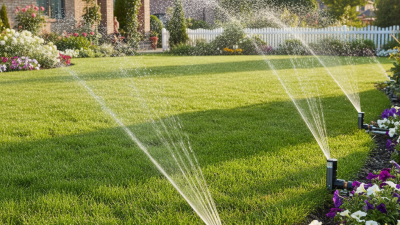
Understanding the basics of rotor sprinklers is essential for effective garden irrigation. Rotor sprinklers operate by rotating a Nozzle that distributes water in a circular pattern. This design allows for even water coverage, crucial for plant health. According to industry reports, efficient irrigation can reduce water usage by 30% compared to traditional methods. Proper installation and adjustment can maximize their efficiency.
When selecting rotor Irrigation Sprinklers, consider factors like water pressure, nozzle size, and coverage area. Different plants have unique water needs, and not all rotor sprinklers can accommodate each type. For example, a rotor sprinkler with a larger radius might oversaturate compact plants while leaving others dry. This inconsistency can lead to wasted resources and poor plant performance.
It's important to regularly evaluate your sprinkler setup. Adjust the settings based on seasonal changes or plant growth. Many gardeners overlook the need for periodic maintenance, thinking it’s a set-and-forget system. However, a well-maintained irrigation system can save up to 15% more water. Observing your garden closely can help you identify inefficiencies. Calculating your garden’s specific water requirements will lead to more accurate sprinkler selection and placement.
Key Factors to Consider When Choosing Rotor Sprinklers
When selecting rotor sprinklers for your garden, it's vital to keep several key factors in mind.
One primary consideration is water pressure. Ensure that your water source can deliver the necessary pressure for optimal performance. Low pressure may result in uneven coverage, leaving dry patches in your garden.
Another important factor is the size of your garden. Larger areas may require multiple rotor sprinklers with adjustable radius settings. The flexibility to change the spray pattern is crucial for efficiency. Some systems allow you to customize the arc of the water spray, which can be particularly beneficial for oddly shaped gardens.
Tip: Always check the manufacturer's specifications for the area coverage. This helps to avoid over-saturation or under-watering specific plants.
Durability is also essential. Look for materials that can withstand various weather conditions. Plastic components may degrade under the sun, while metal options are often sturdier yet heavier. Consider the climate in your area to make a well-informed choice.
Tip: Read customer reviews to learn from others' experiences with different types of sprinklers. Their feedback can reveal hidden strengths or weaknesses you may not see in specifications alone.
Ultimately, taking the time to evaluate these elements can lead to more successful gardening. A well-chosen irrigation system fosters healthy plants and minimizes water waste.
Types of Rotor Sprinklers and Their Applications in Gardens
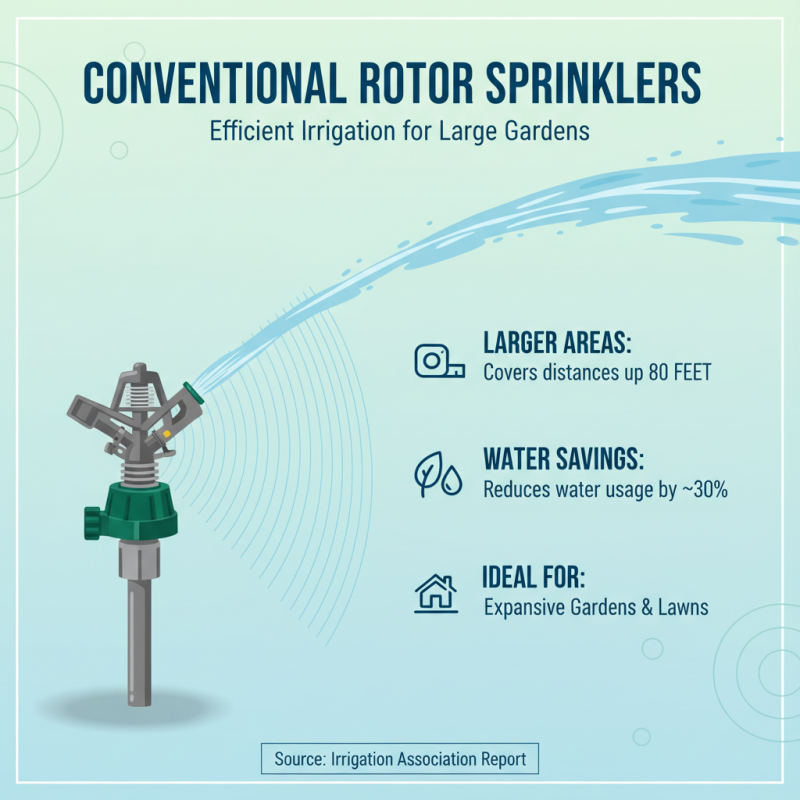
When selecting rotor sprinklers for your garden, understanding their types is crucial. Rotor sprinklers can be categorized into two main types: conventional and gear-driven. Conventional rotor sprinklers work efficiently for larger areas and can throw water up to 80 feet. They typically have a longer spray radius, making them suitable for expansive gardens or lawns. A report from the Irrigation Association states that these products can reduce water usage by approximately 30% when properly installed.
Gear-driven rotor sprinklers, on the other hand, are known for their versatility. They rotate slowly, allowing for even water distribution. Ideal for medium-sized gardens, they often have adjustable spray patterns. Research shows that gardens using gear-driven rotor technology can achieve up to 25% better coverage compared to stationary systems. However, users should consider the low-pressure scenarios that might limit their efficiency.
Pop Up Irrigation Sprinklers combine the features of rotor systems with a unique design. They retract into the ground when not in use, maintaining your garden's aesthetics. While they can be more expensive, their efficient water distribution makes them a worthy investment. In gardens where aesthetics and functionality are valued, these sprinklers offer a practical solution. However, regular maintenance is required to prevent clogs and ensure optimal performance.
Evaluating Water Pressure Requirements for Rotor Sprinklers
Evaluating water pressure is crucial when selecting rotor sprinklers for your garden. According to industry reports, optimal water pressure for effective irrigation ranges from 30 to 50 psi. Insufficient pressure can lead to uneven water distribution. This results in dry patches in your garden, affecting plant health. Conversely, excessive pressure can cause overspray and wastage, impacting water conservation efforts.
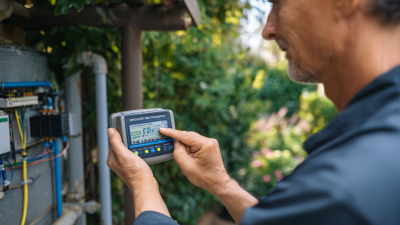
It's essential to measure your garden's water pressure before purchasing. A simple pressure gauge can yield accurate readings. If your water pressure falls below the recommended level, consider using a booster pump or selecting low-pressure rotor sprinklers. The right Irrigation System Sprinklers can help maintain health. As per the American Society of Agricultural and Biological Engineers, as little as 10 psi can significantly impact irrigation efficiency, leading to poor coverage.
Monitoring your system regularly remains vital. Fluctuations can occur due to changes in municipal supply or pump performance. Understanding these dynamics allows you to adapt your irrigation strategy. Analyzing data from your garden's performance can provide insights for better decisions later. Adapting to these factors can help optimize your irrigation results.
How to Choose the Best Irrigation Rotor Sprinklers for Your Garden?
| Sprinkler Type | Coverage Area (sq ft) | Optimal Water Pressure (psi) | Nozzle Size (inches) | Adjustable Range (degrees) |
| Standard Rotor | 4,500 | 40-55 | 0.75 | 40-360 |
| Gear-Driven Rotor | 6,000 | 50-70 | 0.5 | 30-360 |
| Impact Rotor | 5,000 | 30-50 | 1.0 | 30-360 |
| Mini Rotor | 2,000 | 25-40 | 0.25 | 90-180 |
Assessing the Coverage Area and Adjustability of Sprinklers
When selecting the right rotor sprinkler for your garden, coverage area and adjustability are crucial factors. A sprinkler needs to cover your entire garden effectively. Measure your garden’s dimensions first. This will help in selecting a rotor sprinkler with the right range. A sprinkler that sprays too narrowly will leave dry patches. On the other hand, coverage that extends too far may waste water.
Adjustability is equally important. Sprinklers with customizable spray patterns can accommodate various garden shapes and sizes. This is especially useful in gardens with flower beds or trees. Some models allow you to change the radius and angle of water flow. Consider how you can optimize water use for different plants. Experiment with different settings to find the optimal configuration.
It’s worth noting that some sprinklers may not perform as expected. This could be due to inconsistent water pressure or environmental factors. Always observe how your chosen sprinkler works after installation. Regular adjustments might be necessary to ensure effective watering throughout the seasons. Testing different options can lead to a more efficient irrigation system for your garden.
Material Durability and Construction Quality of Rotor Sprinklers
When selecting rotor sprinklers for your garden, understanding the material durability and construction quality is vital. High-quality materials contribute significantly to the longevity of the sprinkler system. Most professional gardeners recommend materials like stainless steel and high-grade polymers for their resistance to corrosion and UV rays. According to a report by the Irrigation Association, systems made with these materials can last up to 15 years longer than lower-quality alternatives.
A key point often overlooked is the construction quality. Seamless design minimizes the risk of leaks and pressure loss, impacting water efficiency. A study suggested that 70% of poor irrigation performance arises from inferior construction. Rotor sprinklers with reinforced joints show higher resilience under varying weather conditions. This durability is crucial, especially for Commercial Irrigation Sprinklers used in extensive landscapes.
However, not all rotor sprinklers maintain consistent quality. Consumers should be cautious. Even reputable models can have flaws that surface over time. Regular maintenance can also reveal weaknesses. Noticing wear and tear early helps prevent larger issues down the line. Investing in high-quality materials and sturdy construction should be a priority for garden enthusiasts to avoid these pitfalls.
Tips for Maintaining and Optimizing Your Rotor Sprinkler System
Maintaining and optimizing your rotor sprinkler system is essential for a flourishing garden. Regular maintenance not only enhances the system's efficiency but can also extend its lifespan. According to industry statistics, poorly maintained irrigation systems can waste up to 50% more water. This inefficiency can significantly increase your water bills and negatively impact your plants.
One crucial tip is to check for leaks and clogs regularly. Even a small leak can lead to considerable water loss over time. Inspect the sprinkler heads for dirt or debris. Cleaning them can improve water distribution and coverage. Another helpful strategy is to adjust the sprinkler rotation settings to avoid overspray on sidewalks or driveways. This small tweak can drastically reduce water waste.
Consider installing a rain sensor. This simple device can stop your system during rainfall, ensuring that you’re not overwatering. Data indicates that homes with rain sensors can save an average of 30% on their water use. Another often-overlooked aspect is the positioning of your rotors. Ensure they are spaced correctly and address any shade issues from trees or structures that may reduce effectiveness. Regularly adjusting these parameters can lead to a noticeable difference in garden health.
Conclusion
Choosing the best irrigation rotor sprinklers for your garden involves understanding the fundamental principles behind how they work and their specific applications. Key factors to consider include the water pressure requirements, the coverage area of the sprinklers, and their adjustability to fit the unique layout of your garden. It's also crucial to assess the material durability and construction quality of the rotor sprinklers to ensure long-lasting performance.
Maintenance is another essential aspect, as regularly optimizing your rotor sprinkler system can lead to more efficient water usage and healthier plants. By carefully evaluating these considerations, you can select the most suitable irrigation rotor sprinklers to meet your gardening needs and enhance the overall health and appearance of your landscape.