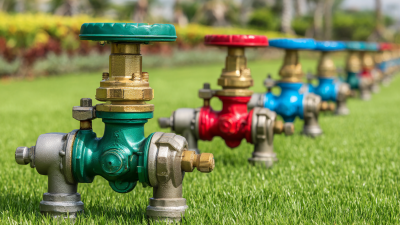
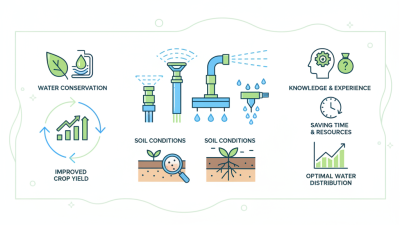
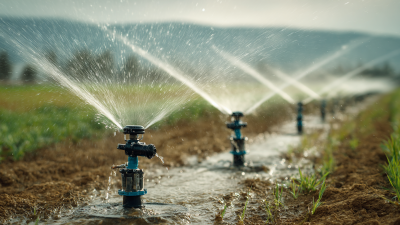
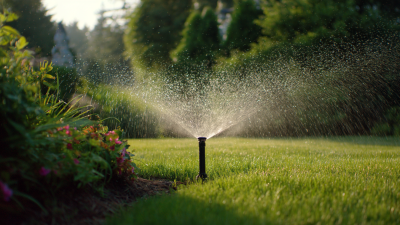
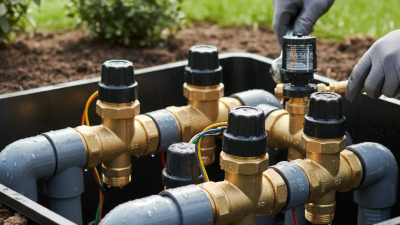
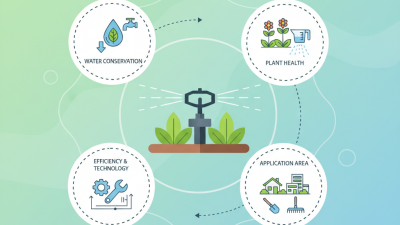
Choosing the right Irrigation Rotor Headscan really make a difference when it comes to the health of your landscape. A lot of experts agree that getting the details right with your Irrigation System matters quite a bit. I remember John Smith from GreenTech Solutions saying, "The right rotor head can really help spread water evenly and save you resources in the long run." He’s big on picking the right heads tailored to your specific setup.
Getting to know the different types of Irrigation Rotor Heads is pretty important. There are fixed, adjustable, and rotating models, each with their own purpose. If you're managing a larger area, investing in higher-quality rotors can really help spread water more evenly. But honestly, not every head is perfect for every situation. Sometimes it’s a bit of trial and error until you figure out what works best.
And here’s the thing—there’s no magic one-size-fits-all fix. Even the pros often need to revisit their choices down the line. Picking the best Irrigation Rotor Heads means thinking about things like water pressure, what kind of plants you’re watering, and even how seasons change. What worked last year might not cut it now, so it’s super important to stay informed and tweak your setup as needed.
Understanding the Basics of Irrigation Rotor Heads
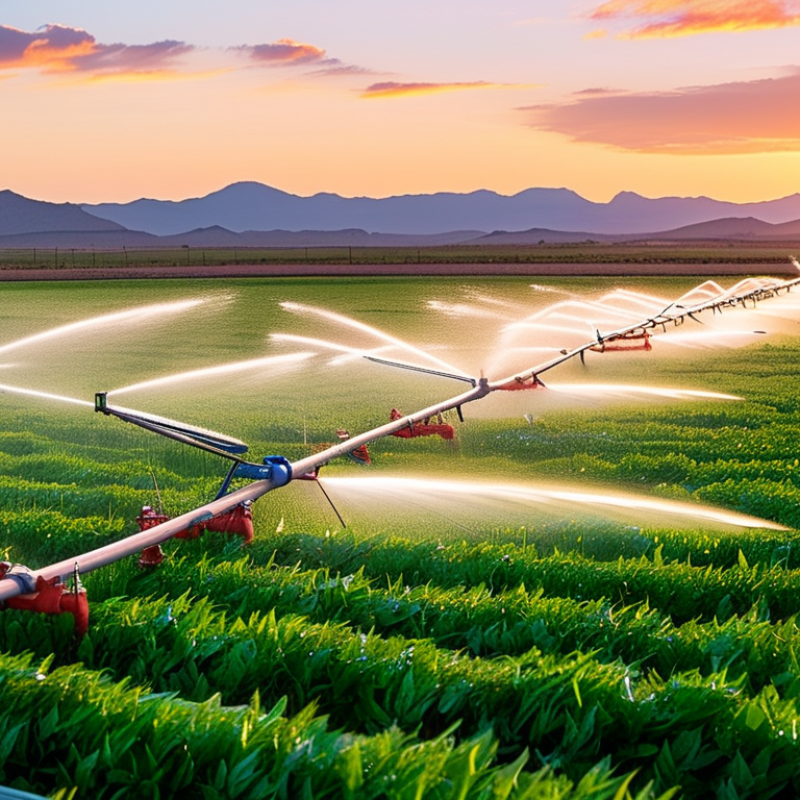
Understanding irrigation rotor heads is crucial for effective water management. These devices are designed to deliver water in a rotating pattern, covering larger areas than traditional Fixed Sprinklers. The right choice can significantly impact your landscape’s health. Aim for models with adjustable radius and arc settings. This flexibility allows you to customize coverage based on your yard’s shape and plant types.
When selecting Rotor Sprinkler Heads, consider the flow rate. Different heads have varying water output, which affects how much moisture your plants receive. Keep in mind that too much water can lead to root rot. Insufficient watering may cause stress to your plants. Pay attention to the manufacturer's specifications for optimal performance.
Choosing the best irrigation rotor heads also involves checking ease of installation. It might seem straightforward, but improper setup can lead to uneven watering. Look for user-friendly designs that simplify maintenance. Reflect on your landscape’s unique challenges. Are there slopes or shaded areas affecting water distribution? A thoughtful approach will help you achieve an efficient irrigation system.
Key Factors to Consider When Choosing Irrigation Rotor Heads
When selecting the best irrigation rotor heads for your garden or farm, consider the water pressure in your area. Different rotor heads operate effectively at varying pressures. Test your water pressure before making a decision. This can be a game-changer in achieving efficient irrigation.
Another crucial factor is the size of your landscape. Larger areas require rotor heads with a broader spray range. Smaller gardens might not need extensive coverage and can benefit from more focused heads. Evaluate your landscape's layout carefully. You might realize the need for a combination of heads for optimal water distribution.
Finally, think about the type of plants you have. Some plants thrive with specific watering patterns. Look for irrigation rotor heads that suit the needs of your plants. It’s important to match the head's spray pattern to your garden’s requirements. Reflect on your choices frequently. What works well today might not be the best solution tomorrow.
Types of Irrigation Rotor Heads and Their Applications
When selecting the right irrigation rotor heads, understanding the various types and their specific applications is crucial. Rotor heads are designed to distribute water efficiently across different landscapes. For instance, fixed Spray Heads work well in small, landscaped areas. They ensure consistent coverage without too much overlap. In contrast, rotating spray heads provide greater flexibility for larger lawns. An irrigation setup that employs both types can enhance water distribution while reducing waste.
Another common type is the gear-driven rotor head. These are ideal for larger, open spaces where water needs to reach farther distances. They rotate slowly but provide a wide spray pattern, ensuring that every corner gets watered. On the other hand, the impact rotor head is suitable for uneven terrains. They create a powerful stream, making them effective for areas with thicker vegetation. However, they may lead to oversaturation in some spots, necessitating careful planning to optimize coverage.
It’s vital to reflect on your landscape needs carefully. Selecting too many varieties can complicate maintenance and cost. Balancing between efficiency and coverage can sometimes feel overwhelming. Observing how different rotor heads perform in real conditions can also offer insights into their suitability. Being mindful of water conservation is important. Each type has its strengths and weaknesses, which can impact the overall effectiveness of the irrigation system.
Evaluating Flow Rate and Coverage Area Requirements
When selecting irrigation rotor heads, understanding flow rate is crucial. Flow rate refers to the volume of water delivered per minute. Knowing your garden's needs will guide your choice. For instance, areas with sandy soil may require more water flow compared to clay-heavy zones. Check labels carefully. Some rotor heads offer adjustable flow rates, which allow flexibility. This is particularly beneficial when dealing with varied plant types.
Coverage area requirements also play a big role. Measure the size of the space you want to irrigate. Some designs cover larger areas more evenly. Remember, uneven watering can lead to dry patches. Adjustable spacing can help in achieving uniform irrigation. Smaller gardens may benefit from compact rotary designs. These can distribute water more evenly, catering to specific plant needs.
However, it’s not always straightforward. Installation can be tricky and might require adjustments. You may need to experiment with different irrigation heads to find the most efficient combination. This process might reveal that some heads perform better in certain conditions than others. Ensure to consider factors like weather patterns and plant types when deciding. Each choice impacts both water usage and plant health.
Assessing Durability and Material Quality of Rotor Heads
Choosing the right irrigation rotor heads involves careful consideration of their durability and material quality. When examining these components, the first step is to assess the materials used in construction. High-quality rotor heads often utilize advanced plastics or metal alloys. These materials withstand exposure to UV rays and harsh weather. Cheaper options may degrade quickly, leading to costly replacements.
Material quality is crucial for long-term performance. Polycarbonate, for example, offers excellent resistance to impact and environmental wear. Look for rotor heads with robust seals and gaskets. These features prevent leaks and prolong lifespan. However, remember that even high-quality products can fail under extreme conditions. Regular inspections are vital to ensure functionality.
Tips: Consider the environment where the rotor heads will be used. Areas with sandy or rocky soil might require more durable options. Check user reviews and performance ratings. They often reveal hidden issues or strengths you might overlook. Pay attention to warranties, as they can indicate the manufacturer's confidence in their product.
Comparing Cost vs. Performance in Irrigation Rotor Selection
Selecting the right irrigation rotor heads involves a balance between cost and performance. It's crucial to understand that higher-priced models often come with advanced features, but they might not be necessary for every project. For instance, durable rotors may reduce maintenance costs in the long run. It's important to evaluate your specific needs before making a decision.
To make informed choices, consider the area that requires irrigation. Smaller gardens may benefit from less expensive rotors that provide adequate coverage. Larger fields might require higher-end models to ensure uniform distribution. Remember, paying extra for features like adjustable spray patterns could enhance efficiency but may not suit all environments.
Examine the long-term implications of your selection. Low-cost options can lead to frequent replacements, potentially increasing overall expenses. Investing in quality rotors could save you money and time in maintenance. Always review your water source and soil type, as these factors heavily influence rotor performance. Analyze your unique situation and reflect on what truly meets your irrigation demands.
Maintenance Tips for Prolonging the Life of Irrigation Rotor Heads
Maintaining irrigation rotor heads is essential for optimal performance. Regular checks can prevent costly repairs. Inspect each rotor for debris and dirt. Blockages can lead to uneven watering. Removing any obstacles ensures a smooth operation.
Adjusting the spray pattern is important as well. Sometimes, the water distribution can become uneven over time. Small changes can make a significant difference. Keep an eye on the nozzles too. Clogged nozzles can drastically reduce efficiency. Regular cleaning can help avoid this issue.
Weather can also impact rotor life. Extreme heat or cold may cause wear and tear. Winterizing your system can prevent damage during colder months. Consider checking for leaks or cracks. All these steps contribute to extending the life of your irrigation system. Regular maintenance may take time, but it is worth the effort.
FAQS
: Look for advanced plastics or metal alloys that resist UV rays and harsh weather.
High-quality materials ensure long-term performance and reduce the need for replacements.
Check for robust seals and gaskets that prevent leaks and extend lifespan.
Areas with sandy or rocky soil may need more durable options.
Regularly inspect for debris, adjust spray patterns, and clean clogged nozzles.
Winterize your system and check for leaks or cracks to prevent damage.
Regular checks are vital, but frequency can depend on environmental conditions.
Yes, warranties may reflect the manufacturer's confidence in their product quality.
Yes, even the best products can fail under extreme conditions, so monitor them regularly.
It can be, but the effort is worthwhile for extending the life of your irrigation system.
Conclusion
When selecting the best irrigation rotor heads, understanding their fundamental principles is essential. Key factors to consider include the specific application, flow rate, and coverage area requirements. Different types of irrigation rotor heads serve varied purposes, making it crucial to match them with the intended landscape or agricultural needs.
Evaluating the durability and material quality of the rotor heads will ensure longevity and efficiency in performance. A balance between cost and performance is vital for making an informed decision. Additionally, regular maintenance tips can significantly prolong the life of your irrigation rotor heads, ultimately enhancing the effectiveness of your irrigation system.