Leave Your Message
0%

Picking the best Water Controller for 2026? Honestly, it's not just about price tags or app features. A home, a farm, and a commercial site all deal with different water pressure, weather, and upkeep. A controller that's great for a small garden might struggle in a big irrigation network. So real-world conditions really matter.

In this guide, we'll walk through the practical stuff to check before you buy. Things like sensor accuracy, flow monitoring, valve compatibility, scheduling options, mobile access, energy use, and installation requirements. A reliable model should react to changing weather and catch odd water flow quickly. It should also have clear settings, helpful alerts, and solid support. Certifications and testing from recognized groups can give you some peace of mind. Still, labels alone don't guarantee great performance.

Field experience often shows things brochures leave out. A weak wireless signal can delay an alert. Dust, heat, or hard water can wear parts out faster. And even a smart controller can waste water if sensors aren't placed well. No controller is perfect—that's just the truth. So the best pick comes down to measured needs, local conditions, and long-term service quality. This article compares leading approaches for 2026 and explains where each type does well. It also calls out limitations, because honest evaluation beats exaggerated promises. By the end, you should be able to spot a Water Controller that balances control, reliability, efficiency, and realistic operating costs.
How to Choose the Best Water Controller in 2026?

What a Water Controller Is and How It Works

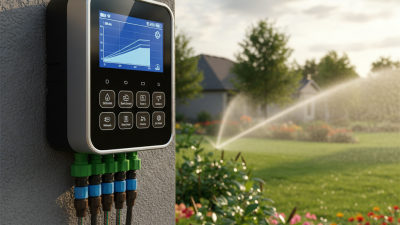
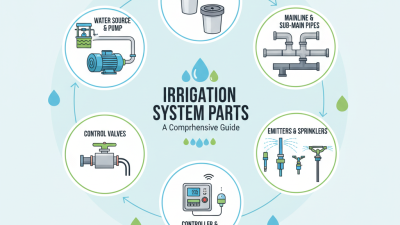
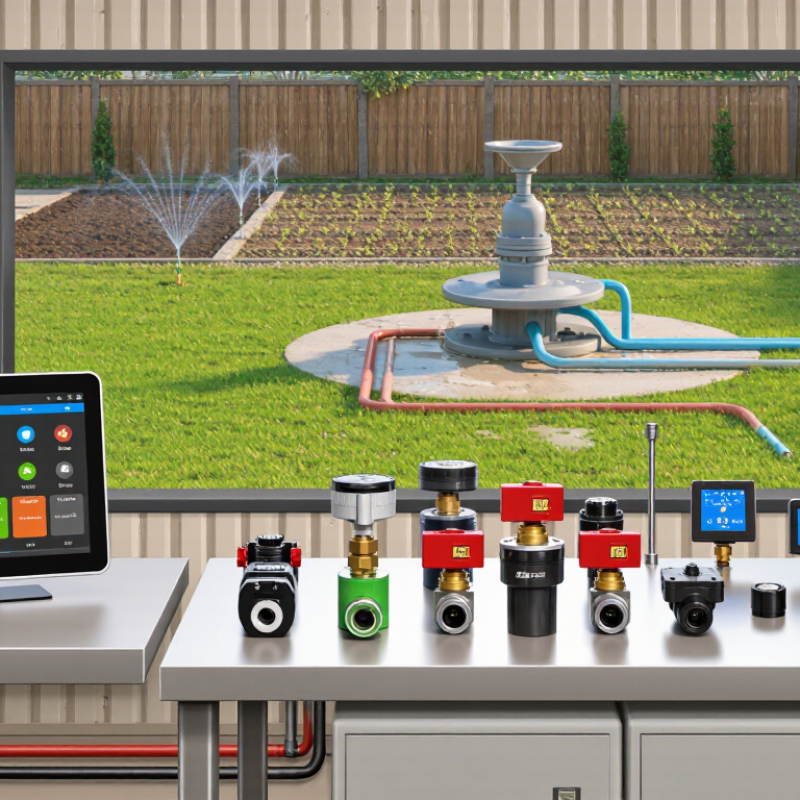
A water controller is the scheduling brain of an Irrigation System. It tells valves when to open, how long to run, and which zones need water. A typical unit connects to pipes, electric valves, and sometimes rain or soil-moisture sensors. The controller sends a low-voltage signal, opening one valve at a time. Water then reaches the selectedWater Sprinkler zone.

Modern controllers often adjust watering according to weather data, rainfall, or measured soil moisture. This can reduce waste, but accuracy depends on installation and sensor placement. A sensor hidden under a roof may report dry conditions after heavy rain. Small errors matter. During practical system checks, I look at valve timing, cable connections, and actual soil moisture instead of trusting the display alone.

A reliable controller should offer clear zone settings, manual testing, seasonal adjustment, and a readable fault alert. Wi-Fi access can help, but connectivity should not be the only control method. A simple schedule is often safer than a complicated one nobody reviews. It is not magic. Plants, soil, shade, and local weather still change. I have seen a carefully programmed system overwater a shaded lawn because its schedule ignored drainage. Checking the ground with a finger or moisture meter remains useful, even with advanced automation.

Which Water Control Features Match Your Needs

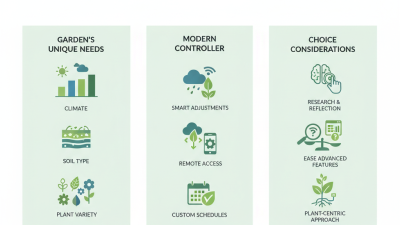
Choosing a water controller starts with matching features to your landscape, not collecting the most settings. A small garden may need simple scheduling and rain delay. A large yard may need zone control, flow monitoring, and weather adjustments. The EPA WaterSense program reports that labeled Irrigation Controllers can help an average home save nearly 7,600 gallons of water each year. That saving matters when a hose connection runs quietly before sunrise.

Look for a reliable Water Sprinkler Valvewith zone-by-zone control, manual override, and leak alerts. Soil moisture sensors suit gardens with uneven sunlight or sandy ground. Weather-based controllers work better where rainfall changes quickly. The Irrigation Association recommends combining controller data with proper sprinkler maintenance, because advanced software cannot repair blocked Nozzles or broken pipes. A controller should also keep working during weak Wi-Fi. Connectivity is useful, but not essential.

Energy and water use deserve equal attention. The FAO AQUASTAT database indicates that agriculture accounts for about 70% of global freshwater withdrawals, making efficient irrigation increasingly important. For residential users, that does not mean every smart feature is necessary. Some sensors need calibration. Some rain forecasts are wrong. I have found that a clear seasonal schedule often outperforms an overcomplicated setup left untouched. Check the soil by hand, inspect valves monthly, and adjust run times after real rainfall. It is less perfect, but more dependable.

How to Choose the Best Water Controller in 2026? - Which Water Control Features Match Your Needs

Water Controller Type Best Match for Your Needs Typical Control Method Key Water-Control Features Sensor Compatibility Weather or Flow Adjustment Power Requirements Installation Difficulty Typical System Size Important Limitation
Basic Timer Controller Users who need simple scheduled watering at a low initial cost Dial, buttons, or a small digital display Start times, watering duration, selected days, seasonal adjustment Usually supports rain sensors; limited sensor options Manual seasonal adjustment; no automatic weather response Typically mains-powered; some models include battery backup Small Residential Irrigation systems May continue watering during rain unless a compatible sensor is installed
Multi-Zone Digital Controller Homes with several irrigation zones, plant types, or watering schedules Digital keypad and display Independent zone schedules, multiple start times, run-time control, seasonal adjustment Usually manual unless a weather sensor or external module is added Normally mains-powered, with optional battery memory backup Moderate Medium to large residential landscapes More programming is required when zones have different water needs
Wi-Fi Smart Controller Users who want remote access, automatic adjustments, and app-based monitoring Mobile application and web interface Remote scheduling, weather-based watering, alerts, pause controls, seasonal programming Requires continuous power and a reliable Wi-Fi connection Moderate Residential and small commercial systems Remote functions may be unavailable during internet or network interruptions
Weather-Based Controller Users focused on reducing overwatering caused by changing outdoor conditions Controller display, app, or connected weather service Evapotranspiration-based scheduling, seasonal adjustment, rain delay, temperature response Usually mains-powered; backup memory is recommended Moderate Landscapes with changing seasonal water demand Accuracy depends on local weather data, site settings, and correct landscape information
Flow-Monitoring Controller Users who need leak detection, broken-pipe alerts, or detailed water-use monitoring Controller interface, app, or building-management connection Flow measurement, abnormal-flow alerts, zone diagnostics, automatic shutoff options Flow monitoring identifies problems but does not always create weather-based schedules Usually mains-powered; uninterrupted operation is recommended Moderate to advanced Large residential, commercial, and managed landscapes Requires correct flow limits and sensor installation for reliable alerts
Soil-Moisture-Based Controller Users with variable soil conditions or areas that dry at different rates Controller display, app, or automatic sensor logic Moisture-triggered watering, threshold settings, rain delays, zone-specific control Powered by mains electricity or a low-voltage irrigation system Moderate Gardens, lawns, planting beds, and water-sensitive zones Sensor placement and soil-type calibration strongly affect performance
Battery-Powered Valve Controller Remote areas without convenient access to mains electricity Buttons, handheld device, or short-range wireless connection Timed watering, seasonal adjustment, valve scheduling, low-power operation Sensor support is generally more limited than with mains-powered systems Usually relies on manual adjustments rather than continuous weather data Replaceable or rechargeable batteries Individual zones, allotments, planters, and small remote areas Battery life and wireless range can limit reliability and available features
Centralized Commercial Controller Facilities managing multiple irrigation sites, large landscapes, or several buildings Central software, web dashboard, or building-management system Multi-site scheduling, user permissions, flow monitoring, alarms, reporting, remote control Requires reliable mains power and communications infrastructure Advanced Large commercial, municipal, sports, and institutional systems Higher setup cost and configuration complexity require trained management
Manual Hose or Tap Timer Users watering containers, small beds, or temporary planting areas Mechanical dial or simple digital timer Single-outlet scheduling, watering duration, repeat intervals Usually no advanced sensor support No automatic weather or soil-moisture adjustment Battery-powered or fully mechanical Small gardens, balconies, containers, and temporary installations Limited control, monitoring, and protection against leaks or unusual flow

How to Compare Water Controller Types

How to Choose the Best Water Controller in 2026?

How to Compare Water Controller Types

Start with the water source. Mechanical float controllers suit tanks with steady pressure and simple level control. They need no software, but moving parts can stick when sediment builds up. Electronic controllers use probes or ultrasonic sensors. They offer tighter measurement and programmable limits, although power failure remains a concern. Smart controllers add phone alerts, flow histories, and remote shutoff. They are useful for concealed leaks, but they depend on connectivity and accurate installation.

Look beyond advertised features. EPA WaterSense reports that household leaks can waste nearly one trillion gallons of water annually in the United States. A controller should detect abnormal flow, not merely display it. Test each type with a bucket, a partially closed valve, and a simulated leak. Observe response time, reset behavior, and alarm visibility. Small details matter.

Pressure-based models work well where pressure changes reliably indicate demand. However, they can misread irrigation zones or appliances with pulsed flow. The UN World Water Development Report 2024 states that 2.2 billion people lacked safely managed drinking water in 2022. Efficient control therefore requires dependable sensing, not fashionable connectivity. For potable systems, verify materials and relevant certification, such as NSF/ANSI 61 where applicable. For outdoor systems, check weather resistance and temperature limits. It is not perfect. A cheaper mechanical unit may outperform a connected model in a remote shed. My own comparison would also include replacement sensors, data privacy, and manual operation during outages.

How to Check Compatibility with Your Plumbing System

Before choosing a water controller, inspect the plumbing, not just the control panel. Measure the pipe diameter, supply pressure, valve type, and available electrical connection. A controller may appear compatible but still fail with low pressure or mismatched wiring. I once found a system that worked indoors, then stalled when three zones opened together.

The U.S. Environmental Protection Agency’s WaterSense program reports that household leaks can waste nearly 10,000 gallons of water yearly. That figure makes flow monitoring valuable. However, the controller must read your system correctly. Check whether it supports potable water, irrigation lines, or a Water Sprinkler System. These networks may use different valves, pressure ranges, and backflow protection. Confirm the maximum flow rate against your plumbing chart, not a product advertisement.

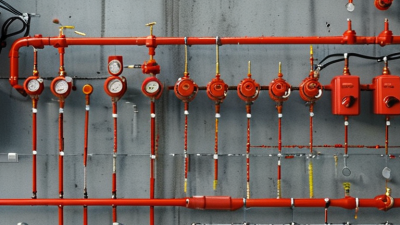
Pressure matters most. Record static pressure with every outlet closed, then test dynamic pressure while water is running. A sudden drop may indicate undersized pipes, clogged filters, or shared demand. The International Plumbing Code and NFPA 13 also provide guidance for backflow prevention, pipe sizing, and sprinkler performance. Local requirements can differ. Ask a qualified plumbing professional to verify the installation.

Do not skip the manual test. Connect one zone, open one fixture, and watch for vibration, leaks, or delayed shutoff. Some assumptions will be wrong. Leave room to revise the setup.

How to Evaluate Energy Use, Durability, and Smart Functions

How to Choose the Best Water Controller in 2026?

How to Evaluate Energy Use, Durability, and Smart Functions

A good water controller should match your daily usage, not just display impressive specifications. Check its standby power and operating consumption in watts. A controller running every hour can quietly increase household energy costs. Ask for measured data, not broad claims. A household meter or plug-in energy monitor can verify real performance over seven days.

Durability depends on water pressure, temperature changes, and installation quality. Look for corrosion-resistant housing and seals rated for your local conditions. Inspect the connection points closely. Drips around a valve often reveal weak construction before failure becomes expensive. I once trusted a compact controller without checking pressure limits. The first estimate was wrong. It needed replacement after repeated pressure surges.

Smart functions should solve practical problems. Useful features include leak alerts, usage history, scheduled flow, and manual override controls. Test whether notifications arrive quickly when your phone has a weak connection. A system that depends entirely on an app may become frustrating during network outages. Choose one with clear physical controls and readable error messages. Check update policies, data protection terms, and compatibility with your existing plumbing. These details are easy to overlook, yet they shape long-term reliability.

How to Choose the Best Water Controller in 2026?

Compare estimated annual electricity use first, then verify durability ratings and smart functions against your installation and operating schedule.

How the energy figures are calculated: Annual use = daily watt-hours × 365 ÷ 1,000. The profiles use continuous standby or connected operation and four hours of active operation per day. Actual consumption depends on the controller’s rated power, connectivity, display, sensors, and schedule.

Energy Use

Check standby watts, active watts, and whether the controller remains connected 24/7. Lower annual kWh reduces operating cost and heat generation.

Durability

For damp locations, look for a suitable IP rating, corrosion-resistant terminals, UV-resistant housing, and a documented operating-temperature range.

Smart Functions

Prioritize features that match your needs: schedules, leak alerts, flow monitoring, remote control, sensor support, and manual fail-safe operation.

How to Choose, Install, and Maintain the Right Model

How to Choose the Best Water Controller in 2026?

Choosing a water controller starts with the landscape, not the screen. A small garden needs fewer zones than a sloped lawn with mixed soil. Select a model supporting weather-based scheduling, flow monitoring, and manual zone control. The EPA WaterSense program reports that labeled irrigation controllers can save an average home more than 15,000 gallons annually. That saving depends on correct setup.

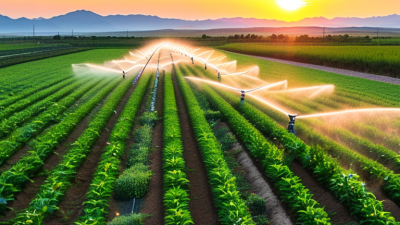
During installation, place the controller away from direct rain and strong afternoon sunlight. Label every wire before connecting it. Check valve compatibility, sensor placement, and water pressure. A Water Irrigation System cannot perform well when one sprinkler zone serves shrubs and turf together. The UN World Water Development Report 2024 states that agriculture uses about 70% of global freshwater withdrawals. That figure makes precise scheduling more than a convenience. It is a practical responsibility.

Tips: Run each zone for five minutes. Watch for pooling, misting, or dry edges. Adjust run times after observing the soil, not just the app. Clean filters and inspect wires every season. Replace damaged sensors quickly. I have seen controllers blamed for poor coverage when clogged nozzles caused the real problem. Still, no model is perfect. Weather data can be delayed, and my first schedule was too generous. Recheck settings after heavy rain, new planting, or seasonal temperature changes. Keep a simple maintenance record with dates, faults, and actual watering times.

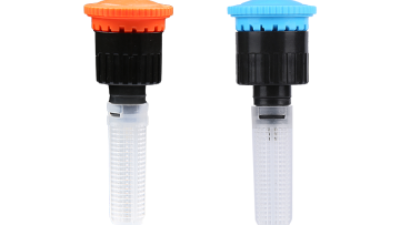
China Strip Stream Nozzles: Water-Saving Low-Flow Irrigation Solutions from Trusted Factory Suppliers

Water efficiency is becoming a priority as irrigation demand increases. The FAO AQUASTAT database reports that agriculture accounts for approximately 70% of global freshwater withdrawals, while the U.S. Environmental Protection Agency identifies landscape irrigation as a major source of residential outdoor water use. For narrow planting beds, sidewalks, and other strip areas, China strip stream nozzles offer a practical way to reduce unnecessary overspray and runoff. Their rectangular stream pattern distributes water across targeted zones instead of watering surrounding pavement.

Designed for low-flow performance, these nozzles operate from 0.06 to 0.28 m³/hr, equivalent to approximately 1–4.7 liters per minute. The controlled output supports more efficient watering schedules and can help environmentally conscious users maximize available water. Manufactured from corrosion-resistant POM polymer, the nozzles are built for long-term outdoor use and can withstand regular exposure to moisture, sunlight, and common irrigation conditions.

The design is compatible with most industry-standard pop-up spray bodies, allowing straightforward installation for both professionals and home gardeners in the United States and Australia. As a factory-direct solution from China, each unit is supported by a three-year warranty and supplied with CE and ISO 9001 certifications. Their combination of low flow, targeted coverage, durable construction, and broad compatibility makes them well suited to modern water-saving landscape irrigation systems.

FAQS

How do I choose a water controller for a small garden?

Choose simple scheduling, rain delay, and manual zone control. A small garden rarely needs every smart feature. Check the soil by hand. Adjust watering after real rainfall.

Which features help manage a large yard?

Look for zone control, flow monitoring, weather adjustments, and leak alerts. Different areas may need different watering times. Shrubs and turf should not share one zone. That setup often fails.

Why is manual control still important?

Manual control helps you test each zone and respond to unexpected weather. Run one zone for five minutes. Watch for pooling, misting, vibration, or dry edges. Apps are useful, but not always reliable.

How can I check plumbing compatibility?

Measure pipe diameter, supply pressure, valve type, and electrical connections. Confirm the controller supports your irrigation lines. Check the maximum flow against your plumbing chart. Do not trust advertisements alone.

What pressure tests should I perform?

Measure static pressure with every outlet closed. Then measure dynamic pressure while water is running. A sharp pressure drop may indicate clogged filters or undersized pipes. Test before installation.

How should I install a water controller?

Keep it away from direct rain and strong afternoon sunlight. Label every wire before connecting it. Check valve compatibility and sensor placement. Leave space for later changes.

How do sensors and weather scheduling help?

Soil sensors suit uneven sunlight, sandy ground, and mixed planting areas. Weather scheduling can reduce watering after rainfall. Forecasts sometimes arrive late or prove wrong. Verify the soil yourself.

How do I maintain the system?

Inspect valves, filters, wires, and sensors every season. Check for leaks and delayed shutoff each month. Record watering times and faults. A simple log is enough. My first schedule was too generous.

Conclusion

Choosing the best Water Controller in 2026 starts with understanding how it regulates water flow, pressure, temperature, or usage through sensors, valves, and control settings. The right model depends on your needs, such as reducing waste, improving convenience, preventing leaks, or managing water across multiple areas. Compare manual, automatic, programmable, and smart controller types by considering response speed, control accuracy, interface, installation requirements, and overall cost. It is also important to check whether the controller matches your pipe size, water pressure, connection type, power supply, and existing plumbing layout.

A reliable Water Controller should balance energy efficiency, durable construction, easy maintenance, and useful smart functions such as scheduling, alerts, monitoring, or remote adjustments. Before purchasing, review the installation process and confirm whether professional assistance is needed. After installation, test every setting, inspect connections for leaks, clean sensors when necessary, and replace worn parts promptly. By evaluating performance, compatibility, long-term reliability, and maintenance needs together, you can select a controller that provides practical control, consistent operation, and efficient water management.
Isabella

Isabella

Isabella is a dedicated marketing professional at RAIN LING, where she combines her passion for sustainable innovation with an exceptional understanding of the company’s pioneering irrigation solutions. With a keen eye for detail and a commitment to precision, she ensures that every piece of......
Previous China Top 10 Rotary Sprinkler Heads Manufacturers