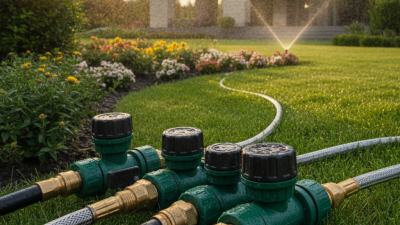
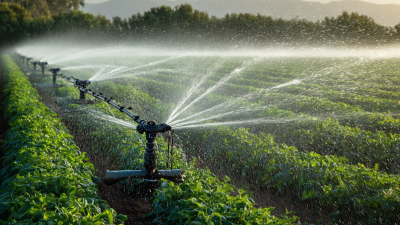
In today’s farming world, getting efficient irrigation right is pretty much essential if you want your crops to thrive. Did you know that, according to the USDA, about 80% of water in the U.S. is used for watering crops? Crazy, right? If farmers really want to make the most out of their water, it’s super important to know the ins and outs of Irrigation System Parts. I mean, understanding what each piece does can make a huge difference. Dr. Emily Carter, who’s an irrigation expert at AgriTech Innovations, says, “The right components can cut down water waste a lot and help your plants grow stronger.”
Essential Components of an Irrigation System for Optimal Crop Yield
An efficient Irrigation System is vital for optimal crop yield. Understanding essential components helps achieve this goal. Key parts include pipes, pumps, and emitters. Pipes transport water from a source to the fields. Choosing the right diameter can influence flow rates. Pumps ensure consistent pressure in the system, delivering water where it is needed. Selecting a pump requires knowledge of your field's topography and water requirements.
Emitters, such as drip lines or sprinklers, distribute water evenly. An Irrigation Sprinkler System Parts should be matched to plant needs. Overwatering can lead to root rot, while underwatering affects growth. Monitoring soil moisture levels can guide adjustments. Farmers often face challenges like clogged emitters. Regular maintenance helps prevent issues.
Sometimes the system might not function as planned. For example, uneven water distribution is a common concern. Farmers should reflect on their setup to enhance efficiency. Analyzing water flow and pressure can uncover hidden problems. Attention to detail is crucial for success in irrigation management.
Types of Irrigation Systems: Choosing the Right Fit for Your Farm
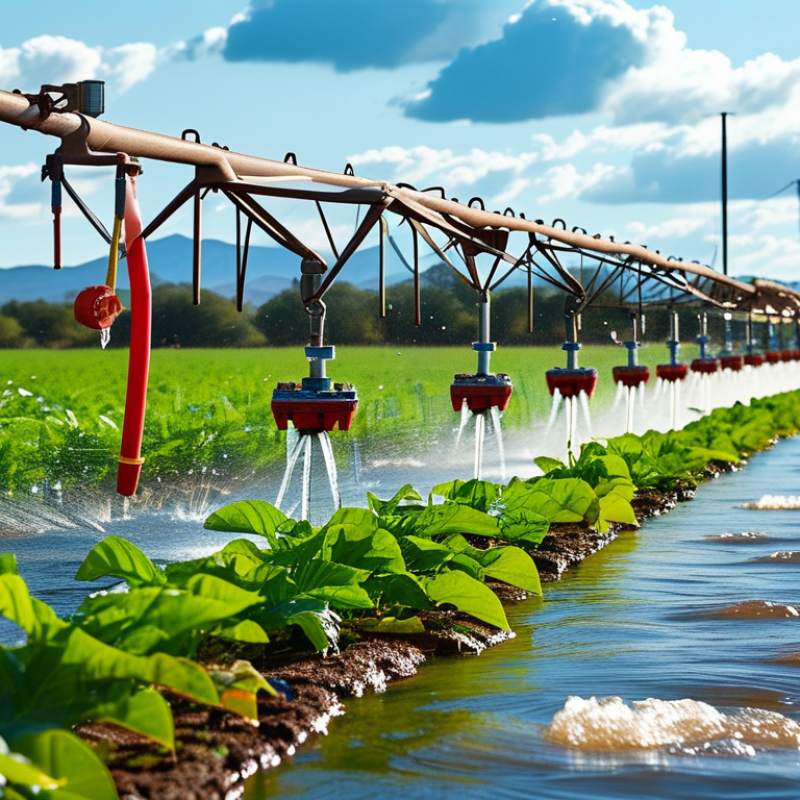
Selecting the right irrigation system for your farm is crucial for productivity. From drip irrigation to center pivot systems, each type has unique benefits. According to the United Nations, efficient irrigation can increase crop yields by up to 50%. This efficiency is vital as global food demand continues to rise.
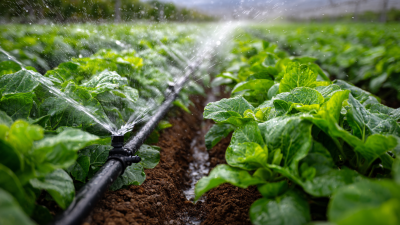
Drip irrigation delivers water directly to the roots of plants. This minimizes evaporation and runoff. A report from the Food and Agriculture Organization highlights that this system uses 30-50% less water than traditional methods. It works well for vegetable gardens and orchards. However, it can require higher initial investment and maintenance. Farmers should evaluate long-term benefits against upfront costs.
Surface irrigation systems are another option. They are simpler and often less expensive to install. Yet, they may not be efficient in areas with uneven land. Over time, poor design can lead to erosion and decreased soil fertility. It’s important to assess soil type and topography before proceeding. Regular monitoring can identify areas needing adjustment, ensuring optimal water use.
Improving your irrigation strategy requires knowledge. Farmers must stay informed about the latest technologies and practices. Flexibility is key. What works now may not fit in the future as climate and crop demands change. Continual evaluation and adaptation will help maintain an efficient farming operation.
Key Components: Pumps, Pipes, and Valves in Irrigation Efficiency
Irrigation systems are vital for maximizing farming efficiency. Understanding key components like pumps, pipes, and valves can lead to a more effective watering strategy. Pumps help move water from the source to the fields. They come in various types, which can affect the efficiency of your irrigation setup. A reliable pump ensures that water reaches the plants consistently. However, choosing the wrong pump can lead to wasted resources.
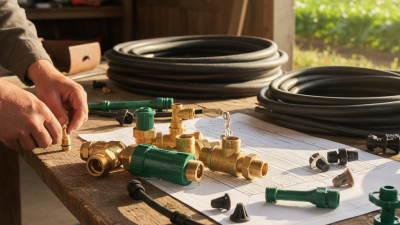
Pipes are another critical part of any irrigation system. They transport water directly to the crops. Selecting the right pipe material can enhance durability and efficiency. Poorly chosen pipes may corrode or leak, leading to decreased water flow. Regular maintenance is essential to prevent issues and ensure optimal performance.
Valves control the water distribution within the system. They regulate flow and pressure, affecting how evenly crops are watered. If valves malfunction, some areas may receive too little or too much water. This imbalance can stress plants, affecting their growth. Monitoring these components ensures a balanced supply of water. Understanding the nuances of these parts can help farmers create a reliable Sprinkler System Parts setup, ultimately supporting a thriving agricultural operation.
The Role of Filters and Emitters in Preventing Clogging and Waste
Effective irrigation systems rely heavily on the integration of quality filters and emitters. These components play a crucial role in maintaining the efficiency of the entire setup. Filters are designed to remove impurities from the water supply. When the water is clean, plants receive nutrients without interference. Clogging can lead to uneven water distribution, which directly affects crop health.
Emitters, on the other hand, regulate the flow of water to the plants. They ensure that the right amount reaches the roots. A poorly functioning emitter can either overwater or underwater plants, causing stress and affecting growth. Regular maintenance of these parts can prevent issues, but this requires time and diligence. Sometimes, farmers tend to overlook these components until problems arise. This reaction can lead to wasted resources and reduced yields.
Investing in good filters and emitters is essential, but it’s not a one-size-fits-all solution. The specific needs of the crops and the type of soil can greatly influence the choice of parts. Failures in irrigation systems may also highlight the need for better research or advice before implementing changes. Recognizing that every farm has unique challenges can aid in creating a more tailored approach to irrigation.
Automation in Irrigation: Benefits of Smart Controllers and Sensors
Efficient farming relies significantly on modern technology, especially automation in irrigation. Smart controllers and sensors play crucial roles in monitoring soil moisture levels. They automatically adjust water flow based on real-time data. This leads to significant water conservation. Many farmers see reduced water bills and enhanced crop health by using these systems.
Getting started with Smart Irrigation technology doesn’t have to be complicated. Ensure sensors are properly placed to gather accurate moisture readings. Regularly check and calibrate your system for optimal performance. Integration with weather forecasts can further enhance efficiency. Without proper setup, you might waste water or jeopardize your crop yield.
When exploring Lawn Sprinkler System Parts, consider how each component affects overall performance. Sensors can sometimes malfunction or provide incorrect readings. Always have a backup plan for manual adjustments. Understanding the limitations of technology is key. Not every problem can be solved with automation alone. Maintaining a balance between technology and personal oversight remains vital for success in irrigation.
Essential Irrigation System Parts for Efficient Farming
This chart represents the essential components of an irrigation system and their importance in efficient farming. The data reflects the percentage of farmers who consider each part crucial for their irrigation setup.
Water Conservation Strategies Through Efficient Irrigation System Design
Efficient irrigation systems are essential for effective water conservation in farming. A well-designed irrigation system can reduce water usage by up to 50%, according to the USDA. Farmers can optimize water delivery, ensuring that every drop counts. This design not only minimizes waste but also improves crop yields. Studies indicate that implementing efficient systems increases agricultural production by an average of 20%, making them crucial in our changing climate.
Focus on soil moisture sensors and drip irrigation. They enhance water management by delivering water directly to the roots. This technology reduces evaporation and runoff. The Environmental Protection Agency reports that drip systems can save 30-50% more water than traditional methods. However, proper maintenance is vital. Regular checks prevent leaks and ensure optimal performance.
Farmers should evaluate their irrigation strategies regularly. Awareness of changes in water availability and crop demands is key. Adjusting irrigation schedules based on weather forecasts can lead to enhanced water use efficiency. Efficient irrigation systems need continual improvement. Incorporating flexibility allows for adaptation to unforeseen conditions, ensuring sustainability.
Essential Irrigation System Parts You Need for Efficient Farming
| Part Name | Description | Function | Material | Efficiency Benefit |
| Drip Emitters | Devices that release water directly to the plant roots. | Water distribution | Plastic | Minimizes evaporation and runoff |
| Sprinkler Heads | Devices that spray water over crops like rain. | Irrigation coverage | Metal or plastic | Even distribution of water |
| Pipes | Conduits that transport water from the source to the fields. | Water transport | PVC or HDPE | Reduces water loss |
| Valves | Devices used to control water flow. | Regulate pressure | Brass or plastic | Enhances system control |
| Filters | Devices that remove debris from the water supply. | Prevent clogging | Stainless steel or plastic | Increases longevity of the system |
Maintenance Tips for Longevity and Performance of Irrigation Parts
Maintaining Irrigation Partsis crucial for efficient farming. Regular inspection and cleanup can greatly extend their lifespan. Check for leaks or blockages frequently. Dirt and debris can accumulate in filters and Nozzles, hindering performance. It's often overlooked, but a simple cleanup could mean the difference between a thriving crop and a failing one.
Another aspect to consider is the seasonal wear on Irrigation Parts. Different weather conditions can cause materials to degrade faster. High heat can warp plastic components, while freezing temperatures can lead to cracks. Keeping spare parts on hand can be a lifesaver. Understand your system thoroughly; knowing what to expect allows for proactive maintenance.
Don’t underestimate the importance of proper irrigation part installation. Incorrect setups can lead to inefficiencies and costly repairs later. Adjustments are often necessary. Regularly reviewing your system’s layout can identify areas for improvement. A well-maintained irrigation system not only saves water but also ensures your crops receive the nutrition they need.
FAQS
: Key parts include pipes, pumps, and emitters. Each plays a crucial role in water delivery.
Pipes transport water and their diameter influences flow rates. Select the right size for your needs.
Pumps maintain consistent pressure, ensuring water reaches all areas. Knowledge of field topography is important.
It helps avoid overwatering or underwatering, impacting plant growth and health. Adjustments based on readings are essential.
Clogged emitters are common issues. Regular maintenance is necessary to prevent such problems.
They monitor soil moisture and adjust water flow automatically, leading to water conservation and healthier crops.
Ensure proper sensor placement for accurate readings. Regular checks and calibration are necessary.
No, not every problem can be solved with automation. Balance technology with personal monitoring for best results.
Uneven water distribution might occur. Reflecting on the setup can help identify and fix issues.
Ignoring maintenance can lead to system failures or decreased crop yields. Regular upkeep is vital.
Conclusion
Efficient farming heavily relies on understanding essential irrigation system parts that optimize crop yield and ensure water conservation. Key components such as pumps, pipes, and valves play a critical role in maintaining irrigation efficiency, while filters and emitters prevent clogging and waste, thereby improving the system's overall performance.
Choosing the right type of irrigation system, whether it's drip, sprinkler, or surface irrigation, is vital for meeting the specific needs of your farm. Incorporating automation through smart controllers and sensors can enhance management practices, making it easier to monitor water usage and conserve resources. Additionally, regular maintenance of irrigation system parts is crucial for their longevity and consistent performance, helping farmers achieve sustained productivity while minimizing water wastage.