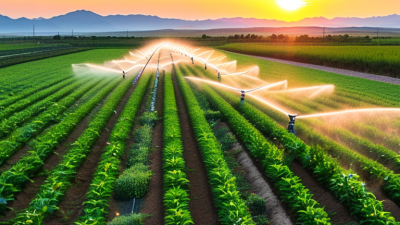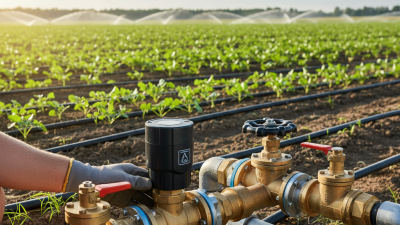
Picking the right Water Controller really depends on what you need it to handle every day. For example, a simple garden setup might just need basic scheduling, but if you're dealing with a greenhouse, you’ll want something that offers precise flow control and reliable sensor feedback. Honestly, the best choice hinges on factors like water pressure, pipe size, flow rate, whether you have power nearby, and the climate of your area. Miss any of these details, and you might end up with weak watering or wasting a ton of water.
From experience, I can tell you that it’s worth testing out the specs before you buy. A controller that's rated for high flow might still struggle if the water has a lot of sediment, so don’t just rely on the numbers—check its actual range, compatibility with valves, the enclosure’s weather rating, and how well it connects to sensors. Also, make sure installation instructions are clear, and see if the company’s tech support is helpful—those details make a big difference. Certifications from independent organizations can help build trust, but they shouldn’t replace getting a pro to take a look. Sometimes, subtle things like pressure fluctuations are overlooked in brochures but can make a real difference during installation.
Keep the user interface simple and realistic—nothing beats being able to operate your system easily. Remote access can be a lifesaver if you want quick alerts and easy adjustments, but don’t forget that wireless features sometimes cause headaches when you’re behind thick walls or when the network goes down. Having a manual override option is still a solid backup. Before you make a decision, look into maintenance needs, how often you’ll need to update the software, what the warranty covers, and the availability of replacement parts. Buying the cheapest model might save you money upfront, but repeated valve failures could end up costing more. On the flip side, the most high-tech system might have features you'll never even use.
Honestly, there’s no such thing as a perfect water controller. It’s all about balancing automation, durability, price, and ease of use. Take some time to compare performance claims with real-world results, and if possible, run a small pilot to spot issues like leaks, response delays, or tricky controls—kind of like a dress rehearsal before the big show. Good decisions come from solid evidence, not just fancy packaging or pretty marketing—so be thorough and trust your instincts.
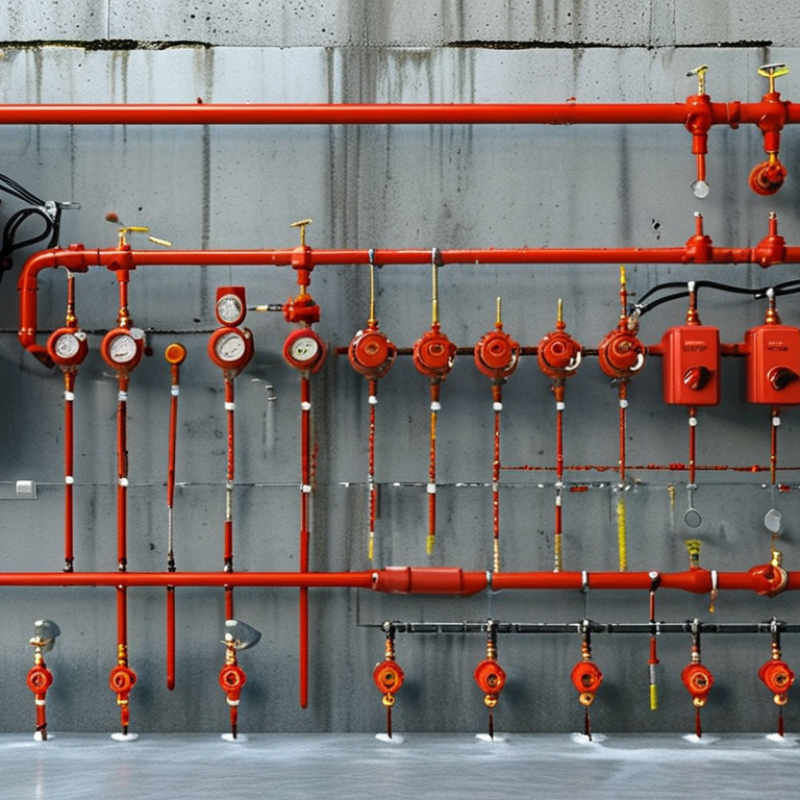
How to Choose the Right Water Controller?
Understanding What a Water Controller Does
A water controller manages when, where, and how long your Irrigation System runs. It sends electrical signals to valves, allowing water to reach selected garden zones. A typical schedule may run lawn sprinklers for twelve minutes before sunrise. Flower beds may need less time. This difference matters.
A reliable controller usually supports multiple zones, seasonal adjustments, and manual operation. Some models use rain or soil-moisture sensors to pause watering after rainfall. Others connect to weather data and adjust schedules automatically. These features can reduce waste, but they are not flawless. Sensors may be poorly positioned, and weather predictions can miss a sudden storm.
When choosing one, count your valves first. Then check whether the controller supports future expansion. Look for a clear display, strong enclosure, and simple recovery after a power cut. I recommend testing each zone with a bucket nearby. Watch for blocked Nozzles, uneven spray, or pooling water. AWater Sprinkler system can appear efficient while quietly overwatering one corner.
Do not rely only on the highest number of settings. A complicated menu can lead to wrong schedules. I have seen users program frequent short cycles, then forget to adjust them during cooler weeks. The best choice should match your soil, plants, water pressure, and daily routine. Local plumbing requirements may also influence installation, so qualified advice is sensible when wiring or valve connections are involved.
Choosing a water controller starts with observing the site, not browsing product features. Measure pressure at the source, inspect soil texture, and note shaded or windy zones. A sandy bed may need shorter, more frequent cycles. Clay soil can hold water longer, but runoff appears quickly. Small details matter.
The Food and Agriculture Organization reports that agriculture uses about 70% of global freshwater withdrawals.
Residential landscapes also deserve careful control. The U.S. Environmental Protection Agency estimates that household leaks waste nearly 1 trillion gallons of water annually in the United States.
These figures support zone-based scheduling, rain detection, and regular leak checks. A Water Sprinkler Valve should match pipe size, operating pressure, and flow demand. Oversizing can create uneven coverage. Undersizing may restrict performance.
I once treated every planting area as identical. That was a mistake. Different root depths and sunlight levels changed watering needs within a few meters.
Start with a simple map. Mark lawn, shrubs, containers, slopes, and drainage points.
Then record actual moisture after irrigation, rather than trusting a timer. The International Water Management Institute highlights improving irrigation efficiency as essential for future water security.
Still, efficiency is not only a technology issue. A sophisticated controller cannot correct blocked nozzles or poor soil preparation. Test one zone by hand. Watch where water collects. Adjust slowly.
How to Choose the Right Water Controller?
Comparing Water Controller Types and Control Methods
Choosing a water controller starts with the actual task, not the control panel. A manual valve suits a small garden, occasional use, and simple maintenance. It is inexpensive and easy to inspect. However, it depends on someone being present. A timer adds consistency by opening valves at scheduled hours. It works well for routine irrigation, but fixed schedules ignore rain, leaks, and seasonal changes.
Sensor-based controllers respond to soil moisture, flow, rain, or tank level. They can reduce waste when readings are accurate. Placement matters. A moisture sensor near a shaded wall may not represent the whole planting area. Flow monitoring can reveal a broken pipe quickly, while level control protects a pump from running dry. These systems need calibration and periodic cleaning. Small details matter.
Networked controllers allow remote adjustment and usage records. They are useful for multiple zones or distant sites. Yet connectivity can fail, and an app may hide a basic problem. In my own testing, the most advanced setting was not always the most reliable. A practical choice often combines scheduled control with one or two independent safety sensors. Check response time, valve compatibility, backup operation, and manual override before purchase. Keep a written record of settings. It exposes mistakes that a screen can make easy to miss.
| Controller Type | Primary Control Method | How It Works | Best-Suited Applications | Power Requirement | Main Advantages | Main Limitations | Selection Notes |
|---|---|---|---|---|---|---|---|
| Mechanical Float Valve | Automatic on/off flow control | A floating mechanism rises with the water level and closes the inlet when the preset level is reached. | Storage tanks, cisterns, livestock troughs, and simple water reservoirs | Usually none; operates hydraulically | Simple installation, low cost, no electrical wiring, and easy maintenance | Limited adjustment range; moving parts can wear, stick, or be affected by sediment | Choose a corrosion-resistant model with a flow capacity and pressure rating suitable for the inlet line. |
| Pressure Switch Controller | Pressure-based pump switching | A pressure-sensing switch starts or stops a pump when system pressure crosses adjustable cut-in and cut-out points. | Domestic water boosting, wells, irrigation pumps, and pressure vessels | Requires electrical power for the pump and switching circuit | Well established, relatively affordable, and effective for maintaining a pressure range | Does not directly measure tank level; frequent cycling may occur if the system is poorly sized | Confirm the switch pressure range, pump motor rating, and compatibility with the pressure tank. |
| Electronic Level Controller | Sensor-based level control | Electrodes, float sensors, ultrasonic sensors, or pressure sensors detect water level and send a signal to a relay or pump controller. | Tanks requiring defined minimum and maximum levels, pump protection, and overflow prevention | Requires a low-voltage or mains-powered control unit, depending on the design | Adjustable setpoints, automatic dry-run protection, and better control of tank levels | Sensors need correct installation and may be affected by fouling, foam, condensation, or poor conductivity | Select the sensor type according to tank material, water quality, temperature, and required sensing distance. |
| Timer-Based Irrigation Controller | Time-based scheduled control | A programmed timer opens and closes electric valves according to start times, run times, and watering schedules. | Gardens, landscapes, drip irrigation, and fixed watering zones | Typically uses low-voltage power for valve actuation; some units use batteries or solar power | Easy scheduling, multi-zone operation, and predictable watering cycles | May water during rain or drought unless connected to weather or soil-moisture sensors | Choose the number of zones, valve voltage, program flexibility, and weather-sensor compatibility. |
| Flow Controller with Flow Sensor | Flow measurement and feedback control | A flow sensor measures water movement and allows the controller to detect low flow, excessive flow, leaks, or blocked lines. | Irrigation systems, process-water lines, leakage monitoring, and water-use measurement | Requires power for the sensor and control electronics | Provides usage data and can trigger alarms or shutoff actions based on abnormal flow | Needs correct pipe sizing, straight-pipe installation conditions, and calibration | Check the sensor's compatible flow range, connection size, pressure loss, and water quality requirements. |
| PLC or Building Automation Controller | Programmable logic and multi-sensor control | A programmable controller combines inputs from level, pressure, flow, temperature, and valve sensors to execute defined control logic. | Commercial buildings, industrial water systems, treatment facilities, and complex pumping stations | Requires continuous electrical power and control-panel infrastructure | Highly flexible, expandable, suitable for alarms, data logging, interlocks, and remote monitoring | Higher installation cost, greater programming complexity, and need for qualified maintenance | Use when several devices or operating conditions must be coordinated and documented. |
Choosing the right water controller begins with the pipes already installed. A controller can be advanced yet unsuitable for your plumbing system. Check whether your supply uses standard threaded fittings, metric connections, or custom adapters. Measure the pipe diameter with a ruler, not by appearance. A small mismatch can cause leaks, weak pressure, or constant valve cycling. Keep it practical.
Trace the water path from the main shutoff to each irrigation zone. Note the inlet direction, available water pressure, and flow rate during peak use. The controller must match the valve voltage and wiring layout, especially where low-voltage cables run outdoors. For a Water Sprinkler System, confirm that the controller supports the number of zones and the valve type already fitted. A pressure regulator may be necessary when drip lines share the same supply. During one inspection, I assumed two identical-looking valves worked alike. They did not. One required a different electrical signal, and the test run stopped halfway.
Read the installation manual before buying adapters or replacing parts. Look for backflow protection requirements and space around the enclosure. Moisture near terminals is an overlooked problem. Use a qualified irrigation technician when local rules require professional work. Ask for a pressure test after installation, then inspect every joint while the system runs. Photograph the connections before closing the box. This helps later troubleshooting, although it never replaces careful testing. If old fittings feel brittle, replacing them may be wiser than forcing in a new controller.
How to Choose the Right Water Controller?
Evaluating Sensors, Automation, and Smart Features
A reliable water controller begins with accurate sensing. Moisture sensors should measure soil near the root zone, not dry surface dust. Place them away from sprinklers and walls that retain heat. Test readings after rain, irrigation, and a hot afternoon. Small placement errors can create large watering changes.
Automation should respond to conditions, not follow a rigid calendar. Look for weather-based adjustments, flow monitoring, and adjustable watering limits. A useful system can pause during heavy rain and detect unusual flow from a damaged line. Manual control still matters. Technology fails sometimes. During one installation, a sensor showed wet soil because it sat beside a leaking pipe. The schedule looked intelligent, but the location was wrong.
Smart features should make decisions understandable. Clear alerts, simple history charts, and visible settings help users verify what happened. Remote access is convenient, but it should not replace local controls. Check whether the controller works during an internet outage. Consider data security, electrical safety, and compatibility with existing valves. I prefer systems that allow gradual adjustments rather than aggressive automatic changes. Plants react slowly, and rushed settings can waste water. A short trial period, with notes on soil moisture and plant condition, often reveals more than impressive specifications.
Compare the practical value of key controller features. Higher scores indicate stronger performance or greater usefulness during evaluation.
How to read this chart: Sensor quality supports accurate watering decisions, while automation and smart connectivity reduce manual adjustments. Water-saving potential is typically highest when weather or soil-moisture data is combined with automated scheduling.
Choosing a water controller should begin with installation conditions, not the display screen.
A Water Irration System must match valve wiring, water pressure, soil type, and local weather. During site checks, I look for cracked connectors, buried valves, and poor drainage. These small details often create larger costs later. A controller needing new wiring may require several hours of labor.
The U.S. EPA WaterSense program reports that landscape irrigation can account for nearly one-third of household water use.
It also estimates that efficient irrigation controllers can save an average home about 8,800 gallons annually. These figures make water efficiency financially important, but savings depend on correct setup. A rain sensor cannot compensate for blocked nozzles or incorrect run times. Test each zone with a bucket and a pressure gauge. Simple work, but often skipped.
Long-term cost includes maintenance, software support, battery replacement, sensor cleaning, and valve repairs.
The Irrigation Association recommends regular inspection and seasonal adjustment for reliable performance. I would compare the purchase price with five years of labor and water charges. A cheaper controller may need frequent manual correction. That becomes frustrating during a hot week. I still question automatic schedules when soil conditions change quickly; automation is helpful, but it is not always intelligent. Choose a system that records water use, allows manual control, and remains serviceable without specialized tools.
Measure source pressure, inspect soil texture, and mark shaded or windy areas. Small details matter. Sandy soil usually needs shorter, more frequent watering cycles. Clay soil holds moisture longer but may create runoff.
Create a simple map showing lawns, shrubs, containers, slopes, and drainage points. Group areas with similar sunlight, roots, and soil. I once treated nearby plants equally, but their watering needs differed.
Match the valve with pipe size, operating pressure, and expected flow. An oversized valve may produce uneven coverage. An undersized valve can restrict performance.
Place sensors near the root zone, not in dry surface dust. Keep them away from sprinkler heads, hot walls, and leaking pipes. Test readings after rain, irrigation, and a hot afternoon.
Weather adjustments, flow monitoring, rain pauses, and adjustable watering limits can reduce waste. Clear alerts and simple history charts make system behavior easier to check. Impressive features are not always useful.
No. Keep local controls available because sensors, networks, or power supplies can fail. Check whether the controller operates during an internet outage. Technology helps, but people still need to inspect the ground.
Test one zone by hand and watch where water collects. Check blocked nozzles, runoff, and unusually dry patches. Record soil moisture after watering instead of trusting the timer.
Use a short trial period and make gradual changes. Observe soil moisture and plant condition for several days. I may adjust too quickly sometimes, so written notes help expose poor decisions.
Choosing the right Water Controller begins with understanding how it manages water flow, timing, pressure, and distribution within your property. Start by identifying your specific needs, such as irrigation scheduling, water conservation, leak prevention, or convenient remote control. Compare available controller types and control methods, including manual, programmable, sensor-based, and connected systems, to find an option that matches your daily routine and level of automation.
Before making a decision, confirm that the controller is compatible with your plumbing layout, valves, power supply, and water pressure. Consider useful features such as weather or moisture sensors, automatic adjustments, alerts, and monitoring functions, while avoiding unnecessary complexity. Finally, evaluate installation requirements, ease of maintenance, expected durability, and long-term operating costs. A well-chosen Water Controller should provide reliable performance, simplify water management, reduce waste, and deliver practical value over time.