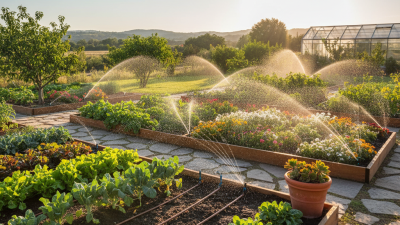
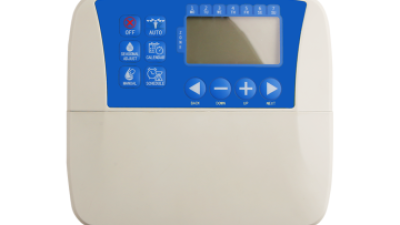
Let’s be honest — managing water wisely is a big deal these days, especially if you're into gardening or running a small farm. Have you heard of the Single-Station Irrigation Controller? It’s become pretty much a game-changer for homeowners and gardeners alike. The coolest part? It makes watering so much simpler while helping you save water — and who doesn’t appreciate that? Sometimes folks don’t realize just how much time and money can be saved with a smarter system.
Using a Single-Station Irrigation Controller helps you get a better handle on what your plants actually need. It’s like having a schedule that tweaks itself depending on the weather — pretty nifty, right? This kind of flexibility is super important so your plants don’t get overwatered or left parched. But here’s the catch — just having a fancy controller isn’t enough. Regularly checking in on your system really makes the difference. Without a little attention now and then, even the best gadgets can fall short.
Honestly, a lot of folks still stick to old-school methods — watering too much or too little, often without even realizing it. Switching to a Single-Station Irrigation Controller can seriously close that gap. It’s not just about keeping your plants happy; it’s also about wasting less water and resources. Now, I know a lot of people wonder if it’s worth the upfront cost. Trust me, though — when you look at the savings and the healthier plants in the long run, it totally pays off. Embracing modern tech like this could seriously change the way you garden for good.
Benefits of Efficient Water Management with Single-Station Irrigation
Efficient water management is critical in irrigation practices. A single-station irrigation controller offers numerous benefits for optimizing water use. This device allows users to monitor and adjust watering schedules easily. Many homeowners struggle with overwatering or underwatering their gardens. A single-station controller mitigates these issues by providing precise control over water application.
Using a single-station irrigation controller can greatly enhance water conservation. By allowing tailored schedules for different plants, it minimizes waste. Users can set specific times based on weather patterns and soil moisture levels. The simplicity of a single-station setup makes it accessible for everyone. However, not all users may fully understand its capabilities. This leads to underutilization and missed opportunities for optimal efficiency.
Moreover, monitoring and managing water usage can highlight patterns. Users might discover which areas need more care or less water. These insights can drive improvements in gardening strategies. However, relying solely on technology can be misleading. Misconfigurations or programming errors can lead to unexpected outcomes. Balancing technology and hands-on observation remains essential for effective irrigation.
Reduced Water Consumption and Cost Savings in Landscape Irrigation
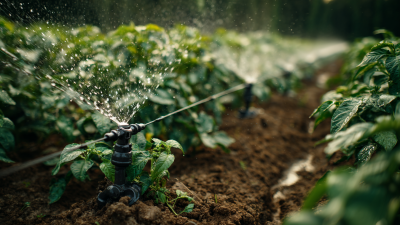
A single-station irrigation controller offers significant benefits for Landscape Irrigation. One of the core advantages is its capacity to reduce water consumption. By leveraging weather data, these controllers adjust watering schedules based on real-time conditions. This precision leads to less water waste. Landscapers can maintain lush gardens while cutting costs. Every drop counts.
Cost savings are another compelling benefit. Traditional irrigation methods often lead to overwatering. With an 8 Station Irrigation Controller, users can fine-tune their systems for specific areas. This ensures that plants receive appropriate moisture without excess. Homeowners see a noticeable decrease in their water bills. Simple adjustments can yield substantial savings over time.
However, implementing new technology can be challenging. Some users struggle to program these controllers effectively. A learning curve exists, making it necessary to invest time in understanding the system. It’s important to regularly monitor the controller’s performance. With consistent attention, the benefits of reduced water usage become clear.
Enhanced Plant Health and Growth with Targeted Irrigation Scheduling
Effective irrigation is crucial for maintaining healthy plants. A single-station irrigation controller optimizes water use, ensuring that each plant receives the right amount at the right time. This targeted approach can lead to healthier growth. When plants receive water tailored to their specific needs, they thrive. The controller adapts to changing weather conditions, adjusting schedules automatically. This means less overwatering and reduced stress on plants.
An Irrigation System that offers precise control can impact plant health significantly. Too much or too little water can hinder growth. With a single-station controller, you can witness improved flowering and fruiting. Observing how plants respond to this attention can be rewarding. However, not every process will go perfectly. Some plants may still require manual adjustments. Continuous monitoring and tweaking of schedules may be necessary.
Using a single-station irrigation controller provides peace of mind. Knowing that plants are cared for with precision can ease the burden of gardening. It also allows for more time to appreciate the beauty of your plants. However, the system may not account for all variables. Environmental changes can still surprise even the most dedicated gardener. Being adaptable and ready to respond is essential to maximize the benefits of targeted irrigation.
User-Friendly Features of Modern Single-Station Irrigation Controllers
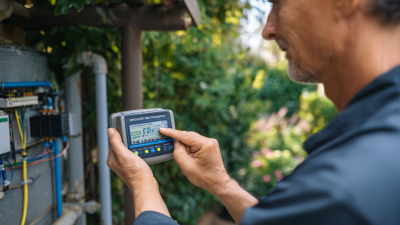
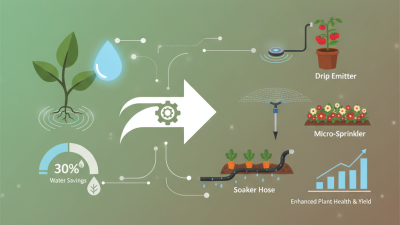
Modern single-station irrigation controllers come with user-friendly features that make watering simpler. Many models offer smart scheduling options. These allow users to automate watering based on weather conditions. Reports show that these features can reduce water usage by up to 30%. This is significant for both the environment and household budgets.
Adjustable watering intervals and duration settings enhance usability. Users can customize their irrigation strategies easily. They can access real-time data on soil moisture levels. A study found that well-calibrated systems can optimize plant health while minimizing water waste. However, some users struggle with the initial setup. Not everyone finds the technology intuitive.
Another important aspect is remote control capability. Many controllers now offer mobile app integration. This feature allows users to monitor systems from anywhere. It brings convenience, yet it can also lead to over-reliance on technology. Without basic knowledge of irrigation, users risk setting inefficient schedules. An awareness of local climate and plant needs remains crucial. This balance will ultimately lead to the most effective irrigation management, whether using a 4–16 Station Irrigation Controller or a simple single-station setup.
Environmental Impact: Minimizing Runoff and Water Waste
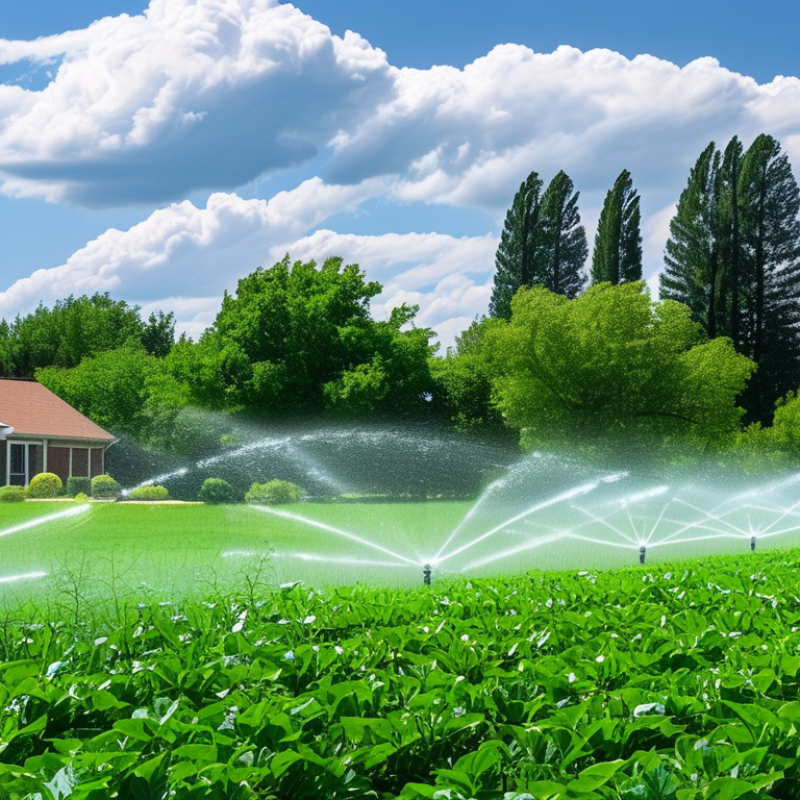
A single-station irrigation controller can significantly reduce water runoff and waste. This advanced technology allows for precise watering schedules and amounts. By adapting to real-time weather conditions, it minimizes the likelihood of over-irrigation. Gardeners can achieve lush landscapes without harming the environment.
Many users have noticed changes in their water bills after adopting this technology. The controller’s ability to adjust to soil moisture levels means water is used more efficiently. Yet, some find it challenging to set up. The initial learning curve can be steep for those not tech-savvy. It's essential to invest time in understanding its features to maximize its benefits.
Implementing a single-station controller creates a positive environmental impact. Reducing runoff helps prevent water pollution, preserving local ecosystems. However, reliance on technology should not replace good gardening practices. Regular checks and maintenance are vital to ensure optimal performance. Balance is key in sustainable gardening.
Top 10 Benefits of Using a Single-Station Irrigation Controller
Integration of Weather Data for Adaptive Irrigation Practices
The integration of weather data into irrigation systems can greatly enhance water management practices. By utilizing real-time meteorological information, farmers can adjust their irrigation schedules more effectively. Data from the USDA indicates that precise irrigation, driven by weather forecasts, can lead to a reduction in water usage by up to 30%. This approach not only conserves water but also promotes healthier crop growth.
Implementing a Single-Station Irrigation Controller allows for adaptable watering practices. With the ability to monitor rainfall and temperature fluctuations, farmers can optimize water delivery. This is crucial, especially in drought-prone areas where every drop counts. Additionally, studies have shown that farmers using adaptive irrigation methods can see crop yield improvements of 15% or more. These advancements lead to better-quality produce and increased profitability.
Tips for effective irrigation: Always calibrate your irrigation system based on local weather trends. Use sensors to gauge soil moisture levels. This ensures that your Multi-Station Sprinkler Controller delivers the right amount of water, preventing both overwatering and drought stress. Adjusting your practices based on accurate data can save time and resources, while also encouraging sustainable agriculture practices. When exploring options, consider how current conditions can shift, and don't hesitate to reevaluate your irrigation strategies frequently.
Increased Property Value Through Smart Irrigation Solutions
Investing in a single-station Irrigation Controllercan significantly enhance your property value. Smart Irrigation solutions not only optimize water usage but also create a lush landscape. Potential buyers are often attracted to homes with efficient systems. A well-maintained yard adds curb appeal, making your property stand out in a competitive market.
When choosing an irrigation controller, consider your landscape's needs. Adjust the settings based on the seasons. Plants require different amounts of water throughout the year. This flexibility can prevent water wastage and lower utility bills. Additionally, ensure that your irrigation system is properly maintained. Regular checks can identify leaks or blockages early, saving you costly repairs.
Tip: Use a rain gauge to help monitor rainfall and adjust your irrigation accordingly. This simple tool can make a big difference in water conservation. Remember, the goal is to create a thriving outdoor space while maximizing efficiency. It's important to reflect on what your yard needs versus what you want. Balancing aesthetic desires with practical watering solutions can elevate both your home’s beauty and its market appeal.
Top 10 Benefits of Using a Single-Station Irrigation Controller
| Benefit | Description | Impact on Property Value |
| Water Conservation | Optimizes water use by delivering precise amounts. | Increases attractiveness to eco-conscious buyers. |
| Cost Savings | Reduces water bills significantly over time. | Higher resale potential due to lower operating costs. |
| Convenience | Allows for scheduling and remote monitoring. | Makes property more appealing for busy homeowners. |
| Enhanced Plant Health | Delivers water directly to roots, improving growth. | Boosts curb appeal and overall property value. |
| Ease of Use | User-friendly interfaces and automated settings. | Attracts buyers looking for low-maintenance homes. |
| Smart Technology Integration | Compatible with smart home systems for better control. | Increases value with modern smart features. |
| Environmentally Friendly | Reduces waste, contributing to sustainability. | Creates a positive impression to potential buyers. |
| Seasonal Adjustments | Adapts watering schedules based on weather conditions. | Maintains property appeal year-round. |
| Increase in Landscaping Value | Improves garden aesthetics with consistent watering. | Boosts market value due to well-maintained landscapes. |
| Long-term Investment | Durable systems yield benefits over the years. | Adds lasting value to the overall property investment. |
Enhancing Water Efficiency: Insights from the 2023 Smart Irrigation Market Report on 8-Station Irrigation Controllers
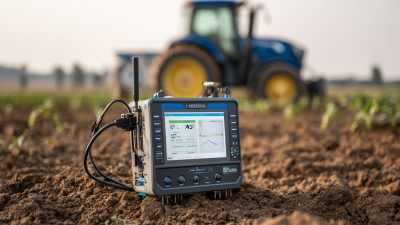
The efficient management of water resources is becoming increasingly important in the modern agricultural landscape, and the 2023 Smart Irrigation Market Report offers valuable insights into advancements that enhance water usage. Among the innovative tools available are 8-station irrigation controllers, specifically designed for medium and small-scale irrigation systems. These controllers, available in both AC and DC models, cater to a wide range of applications, making them a versatile choice for farmers and landscapers alike.
The CA08 and CD08 irrigation controllers enable precise water management in various settings, including gardens, orchards, greenhouses, and landscape irrigation projects. These automatic controllers streamline the irrigation process, ensuring that plants receive the optimal amount of water while minimizing wastage. By leveraging technology in the form of smart irrigation management, users can enhance water efficiency and foster sustainable practices, which are essential in a world where water scarcity is an ongoing concern.
Implementing these advanced controllers not only bolsters productivity and plant health but also contributes to environmental conservation. The adaptability of these 8-station controllers makes them an excellent investment for anyone looking to optimize their irrigation practices and promote a more sustainable approach to water usage in agriculture and landscaping.
FAQS
: It is a device for easy watering schedule adjustments and monitoring.
It tailors schedules for different plants to minimize waste and enhances efficiency.
Yes, many users notice lower bills due to more efficient water use.
Some users find it challenging at first. A learning curve exists.
Invest time to understand its features and use them effectively.
Yes, it minimizes runoff by adapting to conditions and proper scheduling.
No, misconfigurations can occur. Observation and hands-on care are essential.
Underutilization due to lack of knowledge and overlooking maintenance needs.
Reducing runoff helps preserve ecosystems and prevents water pollution.
Balancing technology with good gardening practices and regular maintenance.
Conclusion
The "Top 10 Benefits of Using a Single-Station Irrigation Controller" highlights the significant advantages of adopting this innovative irrigation technology. One of the primary benefits is efficient water management, which leads to reduced water consumption and cost savings for landscape irrigation. By utilizing targeted irrigation scheduling, the Single-Station Irrigation Controller enhances plant health and growth, ensuring that each plant receives the optimal amount of water.
Additionally, modern Single-Station Irrigation Controllers come equipped with user-friendly features that make them easy to operate. They also contribute positively to the environment by minimizing runoff and water waste. The integration of weather data allows for adaptive irrigation practices, tailoring water delivery to current weather conditions. Furthermore, implementing smart irrigation solutions can increase property value, making the Single-Station Irrigation Controller a wise choice for homeowners looking to enhance their landscapes while practicing sustainable water use.