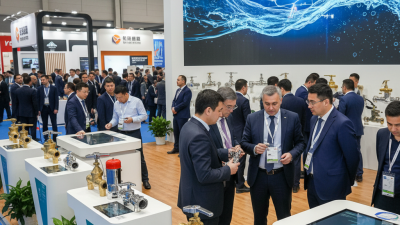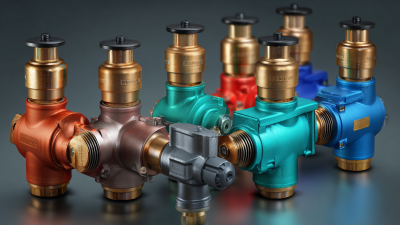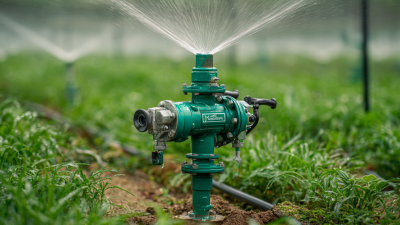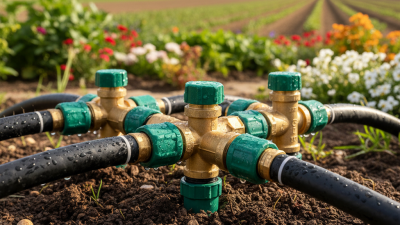
China has turned into a big sourcing hub for irrigation and fire protection equipment. You’ve got manufacturers there offering brass, stainless steel, plastic, and electronically controlled Sprinkler Valves for all kinds of projects. But just because there’s a lot to choose from doesn’t mean every product will perform reliably.
So, this guide is all about checking out China’s top Sprinkler Valves manufacturers — but from a practical buyer’s angle. Think material traceability, pressure testing, flow stability, corrosion resistance, and whether they actually document their quality control. And if you’ve been around the block, you’ll want to review the technical drawings, connection standards, operating pressures, and installation conditions before you commit to an order. Honestly? The small stuff can make or break you.
If you're working with a reliable manufacturer, they'll usually give you clear datasheets, inspection records, sample approvals, and engineering support that actually gets back to you. They should also be upfront about things like production capacity, how they test, how they package, and whether replacement parts are available. And honestly, factory audits can uncover some pretty useful details—like organized assembly lines, calibrated test equipment, and properly labeled components. All of that gives you real-world evidence, not just whatever you see in an online catalog.
So, some suppliers are all about agricultural irrigation. Then you’ve got others who lean more toward commercial landscaping, municipal systems, or fire protection. Honestly, the right pick really comes down to things like water quality, climate, how you control it, and how big the project is. And here’s the thing: a valve made for clean water? It might not do so great when there’s a lot of sediment in the mix.
Look, no supplier’s perfect—that’s just how it is. Marketing claims? They can leave stuff out. So when you’re checking certification documents, don’t just skim them; go through them carefully and make sure they actually match the exact model. And instead of only looking at price or production volume, compare the performance data too. Oh, and don’t forget: delivery reliability, how well they communicate, and after-sales support—those all affect what you’re really paying in the end.
So, this overview is meant to help global buyers get a better handle on comparing manufacturers in China—and feel a bit more confident doing it. It mixes technical evaluation with real-world sourcing experience, though it’s also clear that, well, every project still needs its own independent verification.
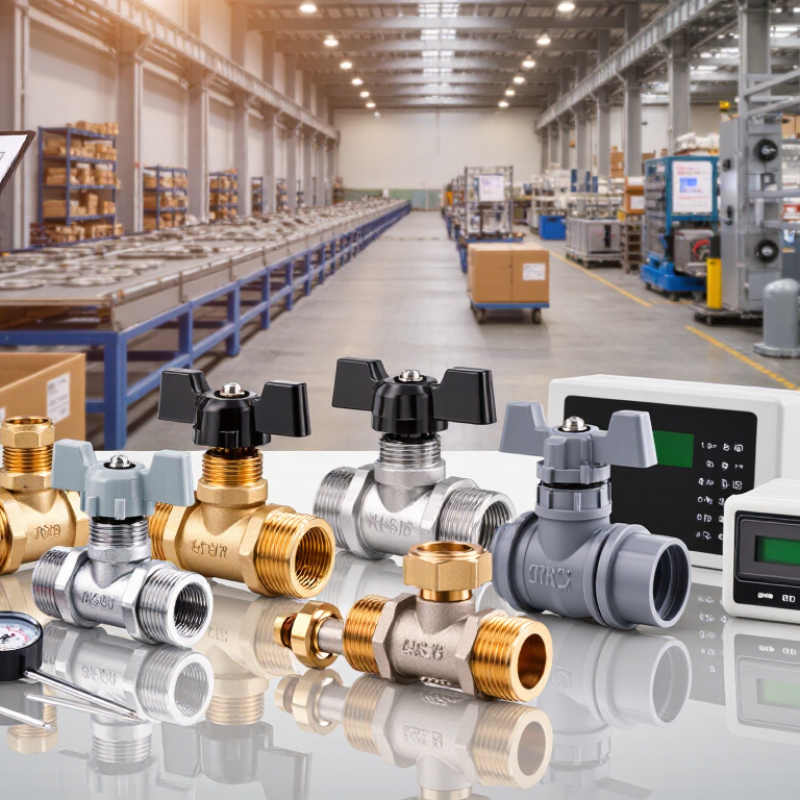
Sprinkler System Valves regulate water flow inside fire protection networks. They may control, isolate, test, or trigger alarms during an emergency. Common types include alarm valves, butterfly valves, gate valves, and check valves. Each valve must match the system’s pressure, pipe size, connection type, and operating conditions. A poorly matched valve may leak, close slowly, or restrict vital water flow. Small faults matter.
Global buyers need reliable suppliers because sprinkler valves operate quietly until they are urgently needed. Experienced suppliers provide consistent materials, accurate dimensions, pressure-test records, and clear installation instructions. They should also support inspection before shipment and answer technical questions after delivery. Traceable production records can reveal when a valve was made and which tests it passed. A low price may look attractive, but replacement delays can cost more than the original savings. I have seen specifications overlooked because buyers trusted photos. That approach needs reconsideration.
Tips: Request product drawings before ordering. Confirm pressure ratings and certifications. Ask for sample inspection reports. Check thread or flange dimensions carefully. Discuss spare parts and warranty terms. Keep communication documented. Even careful teams make mistakes, especially when units and standards differ across countries. Clear documents reduce that risk.
Pressure-regulating valves help protect Nozzles when inlet pressure changes. Check valves reduce drainage after shutdown, especially on sloped ground. Angle and inline configurations fit different pipe arrangements. Manufacturers commonly use reinforced plastic, brass, stainless steel, or mixed construction. Material choice depends on water chemistry, pressure, sunlight, and expected service life.Irrigation Sprinkler Valves should match the pipe size, flow rate, and control method, not just the purchase price.
China’s sprinkler valve industry now serves international projects as an engineering supply chain, not merely a low-cost workshop.
Grand View Research estimated the global fire sprinkler market at approximately US$13.5 billion in 2023. It also forecasts continued growth through 2030. Demand comes from warehouses, hotels, factories, and high-rise construction.
Chinese manufacturers commonly support buyers with threaded or grooved connections, stainless-steel trim, pressure testing, and export documentation. A typical shipment may include valve assemblies, test certificates, installation drawings, and spare seals.
Suppliers targeting overseas projects often design against ISO 6182-1 and regional fire-protection requirements.
NFPA’s 2024 research found sprinklers operated in 92% of reported structure fires where they were present and effective.
Reliability is not optional.
Traceability remains the difficult part.
UN Comtrade places many valve products under broad HS 8481 classifications, making exact sprinkler-valve trade figures difficult to isolate. Buyers should verify factory test records, material grades, coating thickness, and batch identification.
A 65-millimeter valve may look excellent outside, yet poor machining can damage sealing performance. Low quotations deserve questions. So do unusually perfect claims.
Factory audits, sample testing, and independent inspection reduce that uncertainty, although they cannot replace long-term field evidence.
For global buyers, choosing Chinese manufacturers requires evidence, not attractive catalogs. The right supplier should prove stable production, technical competence, and responsive quality control. Ask for ISO 9001 certification and verify its current scope. Certification alone is not enough. Review inspection procedures, staff training records, and corrective-action reports. A controlled process should cover incoming materials, assembly, testing, and final packing. Dated records reveal more than polished factory photos.
Material selection deserves close attention. For Lawn Sprinkler System Valves, examine body materials, seals, springs, and connection threads. Request material certificates and compare them with approved specifications. Pressure and leak testing should use documented methods. A reliable factory can explain test pressure, duration, equipment accuracy, and acceptance limits. Ask whether every valve is tested or only selected samples. Sample photos are useful. Physical samples are better.
Traceability separates mature suppliers from uncertain ones. Each carton should show a batch number, production date, and inspection status. Clear markings support installation and future maintenance. During an audit, inspect storage conditions, calibration stickers, and rejected parts. Speak with quality staff, not only sales representatives. Do not accept vague answers. A factory may pass a sample test yet struggle with volume production. That risk deserves honest discussion. No inspection is perfect, and buyers can still overlook small weaknesses. A staged order, independent testing, and written specifications can reduce that uncertainty.
| Quality Dimension | Relevant Standard or Reference | What Global Buyers Should Verify | Practical Acceptance Criteria | Recommended Evidence |
|---|---|---|---|---|
| Product Type and Application | NFPA 13; EN 1074 series; local fire-protection regulations | Confirm whether the valve is designed for wet-pipe, dry-pipe, deluge, pre-action, or hydrant systems. | The valve function, flow direction, installation position, and operating method must match the approved system design. | Technical data sheet, installation drawing, application statement, and project-specific approval documentation. |
| Fire-Service Listing or Approval | Applicable authority requirements; product listing or certification requirements of the destination market | Check whether the complete valve assembly, including supervisory switch or actuator when supplied, is accepted by the project authority having jurisdiction. | Certification must cover the exact model, size range, pressure class, trim configuration, and accessories being offered. | Current certificate, listing record, scope of approval, certificate number, and independent verification link where available. |
| Pressure Rating | ASME B16.34; EN 1074; manufacturer design rating | Compare the working-pressure rating with the system design pressure, test pressure, surge conditions, and temperature range. | The marked pressure rating must equal or exceed the project requirement. Do not accept a rating based only on nominal size. | Pressure-temperature rating chart, nameplate photograph, design calculation, and type-test report. |
| Hydrostatic Shell Strength | ISO 5208; EN 12266-1; applicable product standard | Verify that the pressure body, bonnet, cover, and end connections are tested using water at the specified test pressure and duration. | No visible body leakage, cracking, permanent deformation, or pressure loss beyond the limits specified by the applicable standard. | Batch test record showing valve identification, test pressure, test duration, test medium, date, and inspector approval. |
| Seat Tightness | ISO 5208; EN 12266-1; applicable fire-valve standard | Confirm whether the valve is tested in both directions when bidirectional shutoff is required. | For resilient-seated shutoff valves, specify zero visible leakage or the applicable ISO 5208 leakage rate. Metal-seated valves require the leakage limit stated in the purchase specification. | Seat-test report, calibrated pressure-gauge records, test procedure, and acceptance limit used for each valve size. |
| Materials and Corrosion Resistance | ASTM, EN, or equivalent material specifications; ISO 9227 where corrosion testing is required | Verify body, bonnet, stem, disc, seat, fasteners, coatings, and elastomer grades against the approved bill of materials. | Materials must be traceable and suitable for the water chemistry, temperature, pressure, and indoor or outdoor installation environment. | Material certificates, elastomer declarations, coating data sheet, coating-thickness records, and salt-spray report when specified. |
| Elastomer and Seal Performance | ASTM D2000; EN 681-1; potable-water requirements when applicable | Identify the compound used for valve seats, O-rings, gaskets, and diaphragm components. | Seal materials must be compatible with water, temperature, disinfectants, glycol concentration if used, and the required service life. | Compound grade, hardness report, batch traceability, temperature range, and compatibility statement. |
| Dimensional Interchangeability | ASME B16.10; ASME B16.5; ASME B16.42; EN 558; ISO 5752 | Check face-to-face dimensions, flange drilling, end-to-end dimensions, bolt pattern, stem clearance, and actuator envelope. | Dimensions must match the purchase drawing and the piping system without forced alignment, field drilling, or unauthorized modification. | Approved dimensional drawing, certified inspection report, flange standard declaration, and sample measurement records. |
| Flow Capacity and Pressure Loss | ISO 5167 principles where applicable; product-specific hydraulic test procedures | Review flow coefficient, pressure-loss data, internal passage design, and the effect of the valve position on system hydraulics. | Hydraulic performance must satisfy the sprinkler-system calculation. Fully open valves should not create unplanned restrictions. | Flow-test report, pressure-drop curve, declared flow coefficient, and hydraulic calculation input data. |
| Supervisory and Monitoring Accessories | NFPA 13; NFPA 72; applicable electrical and fire-alarm requirements | For monitored valves, verify switch type, contact arrangement, enclosure rating, wiring terminals, tamper indication, and actuator compatibility. | Switches must reliably indicate the required valve position and be suitable for the specified voltage, current, and environmental conditions. | Wiring diagram, switch test report, contact-rating data, enclosure rating, and functional test record. |
| Operational Torque and Actuation | Manufacturer design specification; applicable actuator standard | Measure operating torque throughout the opening and closing cycle under the specified pressure conditions. | Operating torque must remain within the actuator capacity with an appropriate safety margin, without stem seizure or abnormal friction. | Torque test curve, actuator sizing calculation, cycle-test record, and manual-operation verification. |
| Durability and Cycle Testing | ISO 5208; applicable valve product standard; project specification | Determine whether the valve has been tested through repeated operating cycles under representative pressure and temperature conditions. | After the specified cycles, the valve should maintain required shutoff, operating torque, body integrity, and accessory functionality. | Endurance-test report identifying the model, size, pressure, number of cycles, test conditions, and post-test results. |
| Manufacturing Quality Control | ISO 9001 quality-management principles; documented inspection plan | Assess incoming-material inspection, machining control, assembly inspection, calibration management, and nonconforming-product control. | Critical characteristics should have documented inspection points, defined tolerances, trained inspectors, and retained records. | Quality manual, process flow chart, inspection and test plan, calibration certificates, and corrective-action records. |
| Traceability and Marking | Applicable product standard; purchase specification | Ensure the body or nameplate identifies size, pressure rating, material, flow direction where required, production code, and manufacturer traceability code. | Every shipped valve must be traceable to material batches, inspection records, final test results, and shipment documentation. | Nameplate photograph, marking schedule, serial-number register, material heat-number record, and final inspection report. |
| Coating and Surface Protection | ISO 12944; ISO 2808; project coating specification | Review surface preparation, coating system, dry-film thickness, curing conditions, and repair procedures. | Coating type and thickness must meet the specified service environment, with no exposed substrate, blistering, pinholes, or poor adhesion. | Coating procedure, surface-preparation record, dry-film-thickness readings, adhesion test, and visual inspection report. |
| Packaging and Shipping Protection | International transport practice; buyer packaging specification | Check flange protection, actuator protection, moisture control, lifting points, crate strength, and container loading methods. | Sealing surfaces, stems, switches, and painted surfaces must be protected from impact, corrosion, contamination, and water ingress during transport. | Packing specification, loading photographs, moisture-protection record, packing list, and pre-shipment inspection report. |
| Documentation and After-Sales Support | Project quality plan; contractual documentation requirements | Confirm the supplier can provide installation, operation, maintenance, spare-parts, warranty, and troubleshooting documents in English. | Documents must correspond to the supplied model and revision, with clear maintenance intervals and replacement-part identification. | Document index, English manuals, spare-parts list, warranty terms, training plan, and response-time commitment. |
For global buyers, evaluating Sprinkler Irrigation Control Valves starts with material traceability. Brass, ductile iron, and stainless steel offer different balances of strength, corrosion resistance, and cost. Ask for heat numbers, coating specifications, and elastomer compatibility reports. A shiny surface proves little. FAO AQUASTAT estimates that agriculture accounts for about 70% of global freshwater withdrawals, making leakage control commercially important.
Performance evidence should match the installation, not just a catalog promise. Request pressure, flow, cycle-life, and leakage test records from a witnessed laboratory. ISO 5208 provides recognized methods for valve pressure testing and leakage classification. Check response at low flow, because some valves behave well only near their rated capacity. I would also inspect a cold-start test at the actual operating temperature. Small details matter.
Certifications need careful interpretation. ISO 9001 confirms a quality-management system, not automatic product compliance. For fire-protection applications, verify relevant listing or approval, such as UL 262 or FM Approval, when project specifications require them. Confirm the exact model, size, pressure class, and manufacturing site on every certificate. Documents can be outdated. A factory audit should compare valve markings, test benches, calibration dates, and final inspection records. Photos help, but physical sampling remains more convincing.
China’s sprinkler valve manufacturers often compete on price, customization, and production speed. However, the lowest quotation is rarely the complete cost. A practical comparison should include casting quality, machining tolerance, coating, packaging, and inspection. One factory may offer a low unit price but require expensive tooling or large minimum orders. Another may cost more while providing stable dimensions and better batch consistency. Request itemized quotations, not vague package prices.
Customization can cover valve size, connection standards, pressure ratings, materials, handle design, and private labeling. Experienced manufacturers usually review drawings before production and identify sealing or flow risks early. Ask for samples, material certificates, pressure-test records, and a clear approval process. Small design changes can affect mold fees and delivery dates. My early comparisons focused too much on unit pricing. That was a mistake.
Production capability deserves equal attention. A reliable facility should explain its casting, CNC machining, assembly, testing, and warehouse processes. Ask how many inspection points exist between raw material receipt and shipment. Verify whether testing is performed on every valve or only selected samples. Larger capacity does not always mean better control. A crowded production schedule may delay customization or reduce communication quality. Factory visits, video audits, and pilot orders can reveal gaps that brochures hide. Keep specifications written and measurable. Vague promises create expensive misunderstandings.
Choosing the right Chinese sprinkler valve manufacturer requires more than comparing prices. According to Fortune Business Insights’ 2024 Fire Sprinkler Market report, the global market was valued at approximately USD 11.64 billion in 2023. Demand is rising, but quality expectations are also becoming stricter. Check whether the manufacturer has experience with commercial, industrial, or residential systems. Ask for product drawings, material specifications, pressure test records, and recent project references. A factory visit or live video inspection can reveal testing equipment, storage conditions, and production discipline.
Confirm compliance with recognized standards, such as NFPA 13, EN 12259-1, or applicable local requirements. Request current certificates and verify their scope directly with the issuing organization. ISO 9001 certification is useful, but it does not prove valve performance by itself. According to MarketsandMarkets, fire protection equipment growth is supported by stronger building safety rules and infrastructure investment. This makes traceability important. Check batch numbers, inspection records, coating thickness, thread accuracy, and corrosion resistance. Small details matter.
Tips: Compare total risk, not only unit price. Ask how the supplier manages failed samples, replacement parts, and delivery delays. A low quotation may hide weaker materials or limited testing. That mistake is easy to make. Before placing a large order, approve a sample and conduct independent testing. Also review communication speed and technical clarity. A manufacturer that cannot explain pressure ratings clearly may create problems after installation. My practical view is simple: documents build confidence, but repeatable test evidence builds trust.
Recommended evaluation weighting for choosing a Chinese sprinkler valve manufacturer. The framework prioritizes safety compliance, technical performance, product durability, manufacturing capability, quality control, and export support.
Buyers should verify applicable certifications, pressure and flow test reports, material specifications, production capacity, inspection procedures, and international shipping documentation before placing an order.
The Professional 1/2 PP rotor sprinkler RL5100HS is designed to provide efficient and dependable irrigation for small gardens, patios, urban landscapes, and light commercial areas. Its gear-driven rotor delivers consistent 360° coverage, helping distribute water evenly while reducing dry spots and unnecessary waste. Compatible with standard 1/2-inch irrigation systems, it offers a practical upgrade for homeowners, landscapers, and property managers seeking stable performance in compact spaces.
Built with UV-resistant polypropylene housing, the sprinkler is prepared to withstand regular outdoor exposure. A precision gear mechanism supports smooth, leak-free operation, while corrosion-resistant components and pressure-tested seals improve long-term reliability. The integrated check valve helps prevent low-head drainage, allowing the system to maintain more uniform water distribution after operation. Its permanent lubrication system also reduces maintenance requirements and supports dependable movement over time.
The RL5100HS has been tested through more than 500 hours of continuous operation to verify its durability and performance. Affordable without sacrificing professional-grade stability, it is suitable for irrigation projects where efficient water management and straightforward installation are important. A two-year warranty further supports its use as a durable solution for everyday landscape irrigation.
Request current quality certificates, inspection procedures, training records, and corrective-action reports. Dated records matter. Factory photos are not enough.
Review material certificates for valve bodies, seals, springs, and connection threads. Compare them with approved specifications. Physical samples reveal more than sample images.
Ask for test pressure, testing duration, equipment accuracy, and acceptance limits. Confirm whether every valve is tested. Sampling alone may leave hidden weaknesses.
Each carton should show a batch number, production date, and inspection status. These markings support installation and future maintenance. Small labels can prevent large confusion.
Compare casting, machining, coating, packaging, tooling, inspection, and minimum-order costs. The lowest unit price may hide expensive requirements. I once focused too much on price.
Confirm sizes, connection standards, pressure ratings, materials, handle designs, and labeling requirements. Request drawings and physical samples before approval. Small changes can affect tooling and delivery dates.
Review casting, CNC machining, assembly, testing, storage, and shipment processes. Ask how many inspection points exist. More machines do not always mean better control.
Yes, inspections can reveal storage conditions, calibration labels, rejected parts, and testing equipment. Speak with quality staff, not only sales representatives. Audits are helpful, not perfect.
Approve a sample, use written specifications, and arrange independent testing. Consider a staged order first. Repeatable evidence builds stronger confidence than promises.
Sprinkler Valves are essential components in fire protection systems, controlling water flow and supporting dependable operation during emergencies. For global buyers, choosing a reliable Chinese manufacturer involves understanding the main product types, including alarm, butterfly, check, deluge, and pressure-regulating valves, as well as their suitable applications. China’s manufacturing industry serves international markets through large-scale production, export experience, flexible customization, and supply-chain efficiency.
When evaluating manufacturers, buyers should review material quality, pressure and durability performance, testing procedures, and relevant international certifications. It is also important to compare pricing based on total value rather than cost alone, while considering production capacity, lead times, technical support, packaging, and after-sales communication. A practical selection process includes verifying factory capabilities, requesting product samples and documentation, confirming customization options, assessing quality-control systems, and clarifying commercial terms. By balancing compliance, performance, reliability, and service, international purchasers can select a suitable Sprinkler Valves manufacturer for consistent long-term supply.