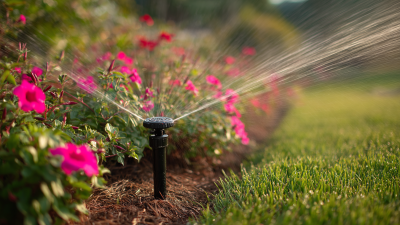
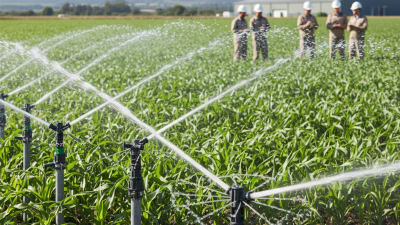
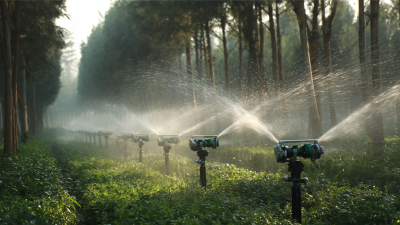
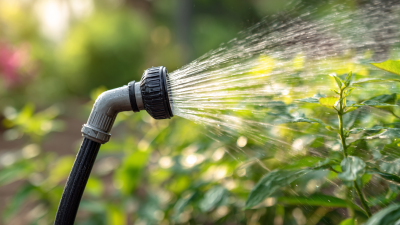
Getting your watering just right is a big deal if you're into landscaping or farming, right? That's where Rotary Nozzles come into play—they're pretty clever tools that help spread water more evenly. Instead of wasting water, they target exactly where it’s needed, which means better coverage and less waste. There are tons of options out there, with companies offering all sorts of models for different setups.
Honestly, choosing the right Rotary Nozzle can feel a bit overwhelming. There are so many brands claiming they’re the best, but not every one lives up to that. Some nozzles work like a champ on flat surfaces, while others are designed to handle uneven ground without a hitch. It’s super important to check out specs and features before you buy—trust me, that makes a difference. And reading user reviews is super helpful too; real folks’ experiences can steer you in the right direction.
In this article, I’ll introduce you to the top 10 Rotary Nozzles based on how well they perform and how reliable they are. My goal is to help you make smarter choices and avoid those annoying issues that come from picking the wrong nozzle. Because, let’s be honest, picking the right one means even watering and saving some cash in the long run. So, let’s get into the details of these cool spray options and see which one might be perfect for you!
Overview of Rotary Nozzles and Their Importance in Spraying
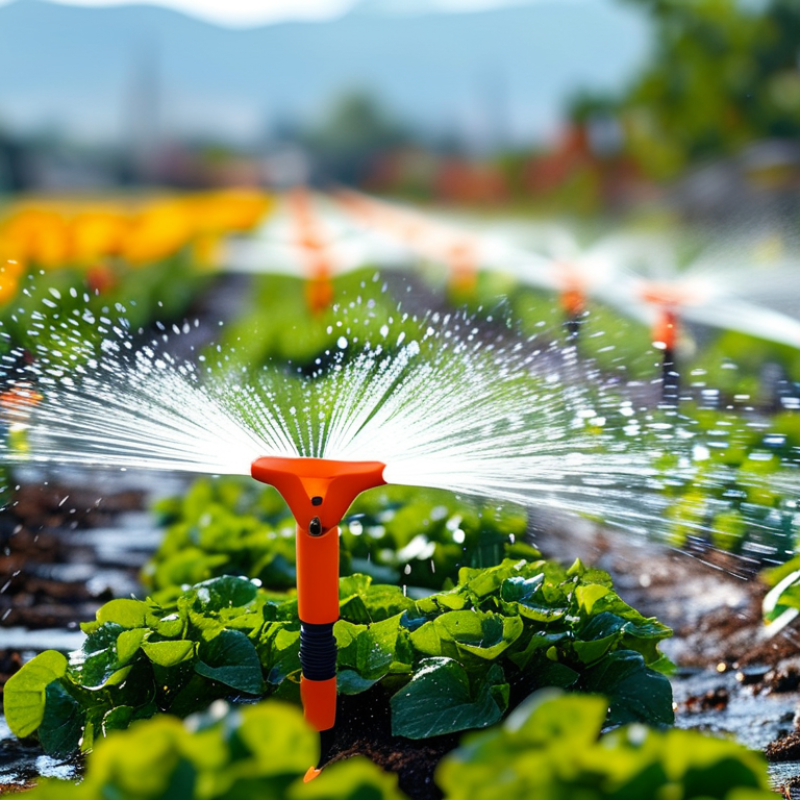
Rotary nozzles play a crucial role in achieving efficient spraying solutions for various applications. Their design allows for a rotating spray pattern that maximizes coverage. This ensures that water or chemicals reach all targeted areas effectively. The versatility of rotary nozzles makes them suitable for tasks like irrigation, pest control, and lawn care.
Incorporating rotary nozzles can significantly improve water efficiency. They minimize waste by utilizing less water while ensuring an even application. However, not all rotary nozzles perform equally. Some may require regular maintenance to function optimally. Users may find that performance can vary based on specific conditions. Understanding these nuances is key to selecting the right nozzle.
While rotary nozzles offer many benefits, there are challenges associated with their use. Clogging can occur if not properly maintained, leading to uneven spraying. Additionally, local regulations may limit the use of certain products that could affect the choice of nozzle. Careful consideration of the environment and application method is essential for achieving the best results.
Key Features to Look for in Efficient Rotary Nozzles
When selecting rotary nozzles for efficient spraying solutions, several key features stand out. Look for adjustable spray patterns. This flexibility allows users to customize the water distribution based on specific needs, improving overall efficiency. According to industry reports, adjustable nozzles can reduce water consumption by up to 30% in landscaping applications. This is significant for both environmental and economic reasons.
Another important aspect is the nozzle's material composition. Durable materials resist wear and corrosion, ensuring a longer lifespan. A study by a leading agricultural journal indicates that nozzles made from high-quality plastic and metals outlast cheaper alternatives by nearly 50%. Consider the size of the spray angle. Wider spray angles can cover more area, reducing the time spent on applications. Conversely, narrower angles provide precision, ideal for targeted treatments.
Additionally, maintenance is a crucial aspect deserving attention. Some nozzles require frequent cleaning to prevent clogging, which can impact performance. Easy-to-clean designs can enhance usability and longevity. However, not all products meet these criteria, and users must research thoroughly. Balancing efficiency with usability can be challenging but is essential for the best spraying outcomes.
Top 10 Rotary Nozzles: A Comprehensive Review and Comparison
When selecting rotary nozzles, efficiency matters. These tools enhance watering and cleaning tasks. They offer various spray patterns and pressure levels. The right choice can drastically improve results. Many options are available in the market, each with unique features. A thorough comparison reveals critical differences among them.
Different nozzles cover different areas and apply varying amounts of water. Some excel at fine sprays, while others deliver powerful jets. Understanding these differences is essential for optimal performance. Users should consider factors like spray distance and droplet size. Performance can vary based on the material used in the nozzle construction.
It’s essential to evaluate longevity and ease of maintenance too. Regular wear can affect the efficiency of the nozzle over time. Some nozzles may clog easily, requiring frequent cleaning. Others may handle debris better but lack fine spray options. Each nozzle serves specific purposes, and trialing a few can lead to better choices.
Benefits of Using Rotary Nozzles in Residential and Commercial Applications
Rotary nozzles enhance spraying efficiency in both residential and commercial settings. They offer a unique solution for landscaping and cleaning tasks. With their ability to create a wide spray pattern, these nozzles reduce water usage and improve coverage on diverse surfaces. This means less time spent watering or cleaning and more effective results.
One of the primary benefits of using rotary nozzles is their adaptability. They can be adjusted for various applications, whether it's irrigating a garden or washing a concrete patio. This versatility can lead to significant cost savings over time. Another advantage is their durability. Quality rotary nozzles withstand wear and tear better than traditional nozzles, making them a reliable choice for long-term use.
When selecting a rotary nozzle, consider the specific needs of your application. Matching the nozzle type with your pressure requirements is crucial. Also, remember that not all nozzles perform equally. Researching and comparing options can help you make better choices. Don't hesitate to experiment with different settings. Finding the right adjustment for your situation may take time and patience.
Maintenance Tips for Prolonging the Life of Your Rotary Nozzles
To prolong the life of your rotary nozzles, proper maintenance is crucial. Regular cleaning can prevent debris accumulation, which often leads to clogging. According to industry reports, nozzles can account for up to 20% of water loss if not maintained properly. This percentage highlights the importance of routine inspections and the need to replace worn-out components.
Lubrication is another essential aspect. Using a silicone-based lubricant can enhance the performance of rotary nozzles, reducing friction and wear. A study showed that lubricated nozzles operate 15% more efficiently over time. Yet, many users overlook this step, leading to decreased efficiency and performance.
It's vital to store rotary nozzles correctly when not in use. A damp or dirty environment can cause corrosion, drastically decreasing their lifespan. Reports indicate that improper storage can shorten the life of nozzles by up to 30%. By paying attention to these details, users can avoid unnecessary replacements and maintain effective spraying solutions.
Common Issues with Rotary Nozzles and How to Troubleshoot Them
Rotary nozzles are praised for their efficiency in delivering water with reduced runoff. Yet, they face common issues that users must address. Clogging is a frequent problem that results from debris accumulation. According to the Irrigation Association, about 25% of irrigation failures stem from clogs. Regular maintenance, such as flushing the nozzles, can help mitigate this issue. Operators often overlook the importance of this step, leading to poor performance and uneven watering.
Another critical concern is improper adjustment. A poorly set nozzle can lead to water wastage and insufficient coverage. In fact, a study by the American Society of Agricultural and Biological Engineers highlights that even minor misalignments can reduce efficiency by up to 30%. Users should periodically check their settings and ensure that the nozzles operate at the manufacturer’s recommended pressure. Such diligence is often neglected, revealing a gap in user practices.
User feedback indicates a lack of awareness regarding the importance of environment-specific settings. Soil type, slope, and plant requirements play crucial roles in optimizing nozzle performance. By addressing these factors, users can significantly enhance watering effectiveness. Neglecting this can lead to overwatering or inconsistent moisture levels, affecting plant health. Engaging with experts and thorough research can bridge the knowledge gap and improve overall irrigation outcomes.
Future Trends in Rotary Nozzle Technology and Design
Rotary nozzles are evolving rapidly. New designs focus on precision and efficiency. Many manufacturers are experimenting with materials that enhance durability. These innovations aim to improve performance under various conditions. The shift towards environmentally friendly solutions is also gaining traction.
One significant trend is smart technology integration. Nozzles equipped with sensors can adjust spray patterns in real-time. This adaptability leads to more efficient water usage and better coverage. Additionally, manufacturers are exploring modular designs. These can allow users to customize their spraying setups easily. However, the challenge remains in the high costs of advanced technology.
Technological advancements must also consider maintenance. Users often struggle with the upkeep of complex systems. Future designs may focus on user-friendly maintenance options. This shift would improve accessibility for all users. Balancing innovation with practical usability will be essential. The industry is at a crossroads, facing exciting possibilities and tangible challenges.
Top 10 Rotary Nozzles for Efficient Spraying Solutions
FAQS
: Rotary nozzles are designed for efficient spraying solutions in tasks like irrigation, pest control, and lawn care.
They minimize water waste by providing even application while using less water overall.
No, performance can vary based on maintenance and specific application conditions.
Clogging may occur, leading to uneven spraying and reduced effectiveness.
Researching options and comparing nozzle types based on specific application needs is essential.
Integration of smart technology allows real-time adjustment of spray patterns for improved efficiency.
Quality rotary nozzles are durable, but they still require careful selection and regular upkeep.
Yes, they are adaptable and can be set for diverse tasks, leading to cost savings.
Users often struggle with maintenance of complex systems, which can impact usability.
Yes, there's a push for designs that enhance user-friendly maintenance and practical usability.
Conclusion
Rotary nozzles are essential tools in both residential and commercial spraying applications, offering improved efficiency and coverage. When selecting rotary nozzles, it is crucial to consider key features such as spray pattern, rotation speed, and compatibility with existing systems. This article provides a comprehensive review and comparison of the top 10 rotary nozzles available, highlighting their benefits, which include enhanced water distribution and reduced water usage.
In addition to exploring the benefits of rotary nozzles, the article also addresses maintenance tips to extend their lifespan and discusses common issues that users may encounter, along with troubleshooting advice. Finally, the article looks at future trends in rotary nozzle technology and design, emphasizing the continuous innovation aimed at improving performance and user experience. By understanding the importance and functionality of rotary nozzles, users can make informed choices for their spraying needs.