In today’s ever-changing agricultural world, making the most out of water is more important than ever. Most experts agree that choosing the right Sprinkler Irrigation Controllercan really make a difference when it comes to crop yields and managing resources smarter. I mean, Dr. Emily Hart, who's a top agricultural engineer over at Farming Innovations, puts it this way: "A smart Sprinkler Irrigation Controller can totally change how farmers deal with irrigation problems."
Farmers face quite a few challenges when it comes to saving water and keeping crops healthy. A good sprinkler controller helps cut down on waste and actually boosts plant growth. These devices can automatically tweak watering schedules based on weather forecasts and soil moisture levels—pretty neat, right? This kind of tech is a game changer for sustainable farming, but honestly, lots of farmers still stick to old-school methods and struggle to keep up.
And let's be real, the options out there can be pretty overwhelming. Some controllers come loaded with all the fancy features, while others might miss a few key capabilities. It’s really important for farmers to think about what they actually need before making a call. Picking the right Sprinkler Irrigation Controller isn’t just about buying something—it’s about committing to smarter farming, better sustainability, and more productive harvests overall.
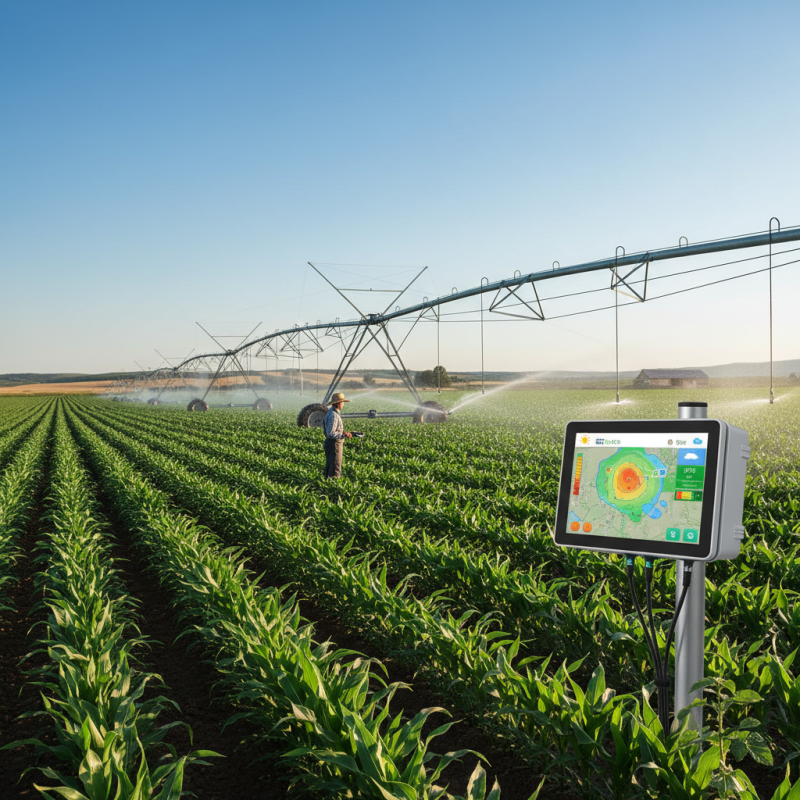
Top Sprinkler Irrigation Controllers: An Overview of Their Importance
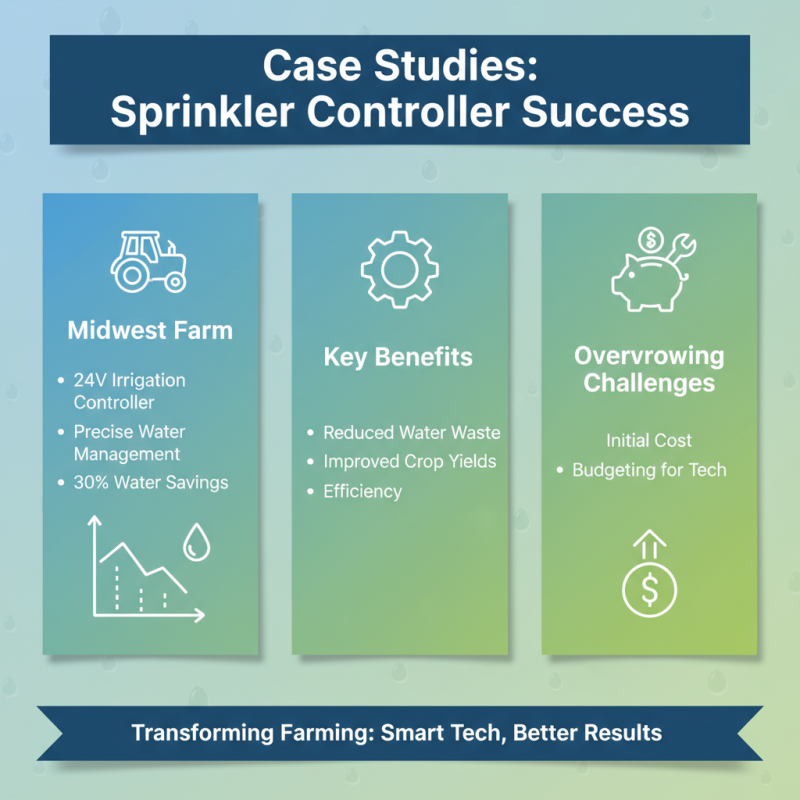
Efficient farming hinges on water management. Irrigation Sprinkler Controllers play a key role. They automate watering schedules, ensuring crops receive the right amount of water. According to a 2022 report from the Agricultural Water Management Journal, over 50% of farms using smart controllers saw a 30% reduction in water usage. This level of efficiency not only conserves resources but also improves crop yield.
Smart controllers analyze weather data and soil moisture levels. This precision leads to water savings and healthier plants. A study by the International Irrigation Association noted that farmers could potentially save over $2,000 annually by optimizing irrigation practices. Despite these benefits, many farmers still use traditional methods. The transition requires investment and training, which can be daunting. Adopting new technology is a challenge, but the long-term gains can be significant.
Research indicates that only 30%of farmers are currently using advanced Irrigation Sprinkler Controllers. Many still rely on outdated systems. This gap presents an opportunity for growth and improvement within the agricultural sector. Embracing automation can lead to moresustainable farming practices. However, careful planning and education are crucial for successful implementation.
Key Features to Look for in Sprinkler Irrigation Controllers
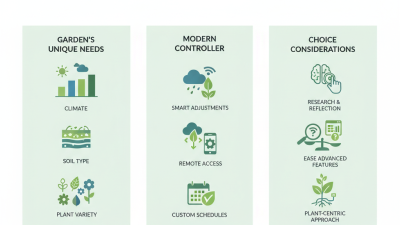
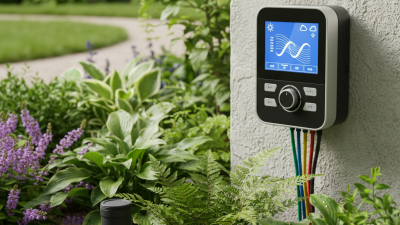
When selecting a sprinkler irrigation controller, several key features stand out. A reliable controller should include weather sensing technology. This allows it to adjust watering schedules based on rainfall and temperature. As a result, farmers can save water and reduce costs. Flexibility in programming is essential too. Look for controllers that offer customizable schedules for various crop types.
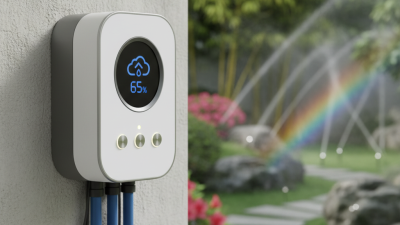
Moreover, user-friendly interface matters significantly. A clear display and easy menu navigation can make adjustments simple. Timers should be intuitive and accessible. Additionally, connectivity features are increasingly valuable. Smart controllers often connect to mobile apps, enabling remote monitoring and adjustments. However, it’s important to ensure that a strong Wi-Fi connection is available.
Consider the durability of the device as well. Controllers face outdoor elements, so weather-resistant designs are crucial. While features may sound impressive, real-world performance can vary. Testing in the field can reveal unexpected challenges. Not every feature will suit every farm operation. Some controllers might be overloaded with complex settings, which could be counterproductive. Reflection on these aspects is necessary for making an informed choice.
Comparative Analysis: Manual vs. Smart Sprinkler Controllers
When comparing manual and smart Irrigation Controllers, farmers face distinct choices. Manual controllers provide basic functionality. They rely heavily on human intervention. Users must adjust settings based on weather and crop needs. This approach may lead to over or under-watering. Manual options can be less expensive initially, but they often lack long-term efficiency. Farmers may find themselves frustrated by inconsistent irrigation.
On the other hand, smart irrigation controllers offer advanced features. These devices use real-time data to optimize watering schedules. They consider factors like weather forecasts and soil moisture levels. As a result, they promote efficient water use. Farmers can save money through reduced water bills. While the upfront cost of smart controllers may be higher, the long-term savings can be significant.
However, the technology can be overwhelming at first. Not all users may feel comfortable with smart features. A learning curve may present challenges. Some farmers might still prefer hands-on control over automated systems. Deciding between manual and smart irrigation controllers requires careful consideration of specific needs and resources. Each option has its merits, but understanding their limitations is crucial for effective farming solutions.
Comparative Analysis of Manual vs. Smart Sprinkler Controllers
Market Trends: Adoption Rates of Smart Irrigation Controllers in 2023
The adoption of smart irrigation controllers is on the rise in 2023. Farmers are increasingly recognizing the benefits of technology in improving efficiency. Smart controllers optimize water usage, which is vital for sustainable farming practices. This shift reflects a growing awareness of resource management among agricultural professionals.
Tips for adopting these technologies include starting small. Begin with one field or crop type to familiarize yourself with the system. Monitor the results closely. Note any changes in water usage and crop health. Also, consider how your local climate impacts irrigation needs. Many users report mixed results. Initial setups may require adjustments to meet specific conditions effectively.
Training is crucial when integrating new controllers. Ensure that all staff members understand how to use the technology. This can help maximize the benefits gained. Share experiences with peers to identify challenges and successes. Remember, feedback can lead to improvements. Agricultural technology is evolving, and staying informed is essential for maximizing efficiency.
Impact of Efficient Irrigation on Crop Yields and Water Savings
Efficient irrigation has a significant impact on crop yields and water savings. According to a 2021 report from the Food and Agriculture Organization (FAO), improved irrigation practices can boost yields by up to 50%. This increase is crucial for meeting the demands of a growing global population. By using modern sprinkler systems, farmers can reduce water usage by up to 30% compared to traditional methods.
The effective use of efficient irrigation controllers contributes to both sustainability and profitability. A 2019 study highlighted that farmers who adopted these technologies saved an average of 600 gallons of water per acre annually. However, not all farmers have embraced this change, often due to the upfront costs or lack of awareness. Education and access to reliable information are vital for overcoming these barriers.
In some regions, outdated systems still prevail, leading to wastage. Farmers may find themselves trapped in cycles of inefficiency. Reflecting on these challenges, the adoption of advanced irrigation technology becomes critical. Continuous improvement in irrigation practices is essential for optimizing resources while enhancing crop production.
Future Innovations in Sprinkler Irrigation Technology and Sustainability
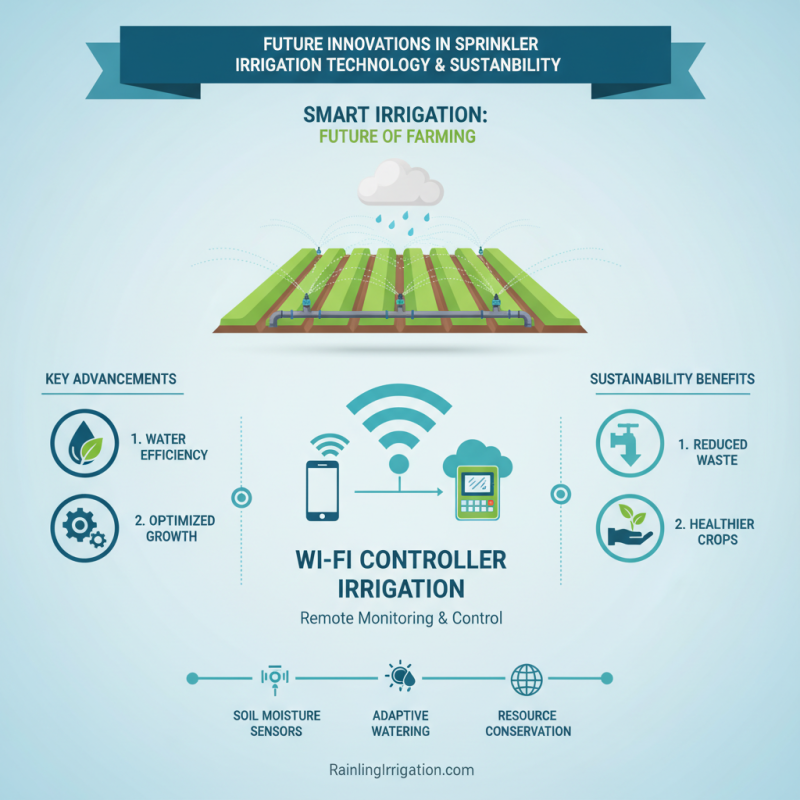
Innovations in sprinkler irrigation technology are reshaping agricultural practices. These advancements focus on sustainability and efficiency. Farming requires careful water management, and modern controllers can significantly improve this process. With features like soil moisture sensors, farmers can reduce waste and optimize water usage. The integration of Wifi Controller Irrigation allows for remote monitoring and control. This ensures that crops receive the right amount of water at the right time, even in varying weather conditions.
Sustainability is a major concern in agriculture. Innovative sprinkler systems aim to address this by maximizing efficiency. However, the implementation challenges remain. Not all farmers have easy access to these technologies. Training and awareness are crucial. There's still a gap in knowledge about how to best utilize advanced systems.
Furthermore, while many technologies promise effective results, reality might differ. Farmers often face unexpected circumstances that challenge these innovations. Droughts or floods can diminish the effectiveness of even the best systems. It is essential to continuously assess and improve these methods to meet environmental needs. Therefore, ongoing research and field trials are necessary to ensure that these innovations truly benefit sustainable farming practices.
Conclusion
Sprinkler irrigation controllers play a crucial role in enhancing farming efficiency by optimizing water usage and ensuring precise irrigation. An overview of their importance underscores how these controllers can significantly improve crop yields while conserving water resources. Key features to consider when selecting a sprinkler irrigation controller include automation capabilities, weather responsiveness, and user-friendly interfaces.
A comparative analysis reveals the advantages of smart sprinkler controllers over manual systems, particularly as adoption rates increase in 2023, indicating a shift towards more innovative irrigation solutions. The impact of efficient irrigation on agriculture is profound, as evidenced by various case studies showcasing successful implementations. Looking ahead, future innovations in sprinkler irrigation technology are expected to emphasize sustainability and further enhance productivity, making these controllers essential tools for modern farming practices.