Leave Your Message
0%

Efficient Irrigation Systems rely heavily on high-qualitySprinkler Valves. According to the Irrigation Association, poor valve performance can lead to water waste and increased operational costs. In fact, properly functioning valves can improve water efficiency by up to 30%. James Green, a leading expert in irrigation technology at WaterWise Solutions, emphasizes, “Choosing the right Sprinkler Valves is crucial for sustainable agriculture.”

Many users overlook the importance of selecting suitable valves. This oversight could waste precious resources. Subpar Sprinkler Valves can result in uneven watering, leading to dry patches and over-saturated areas. Such inefficiencies can defeat the purpose of a well-planned irrigation system. As reported by the American Society of Agricultural and Biological Engineers, poor valve choices account for nearly 15% of irrigation failures.

Investing in top-rated Sprinkler Valves pays off in the long run. However, the market is inundated with options, making decisions overwhelming. It is essential to conduct thorough research for optimal performance. Users must reflect on their choices to ensure the sustainability of their irrigation practices. Quality valves can make a notable difference, but they require careful consideration and understanding.
Top 10 Sprinkler Valves You Need for Efficient Irrigation?

Overview of Sprinkler Valves and Their Importance in Irrigation

Sprinkler valves play a crucial role in efficient irrigation systems. They regulate the flow of water, ensuring that each zone receives the right amount. In agricultural settings, poorly managed irrigation can lead to water waste, negatively impacting crop yield. A report by the Irrigation Association states that efficient irrigation can enhance crop productivity by up to 50%. This highlights the significance of proper valve selection.

Choosing the right sprinkler valve is not just about performance; it’s also about cost-effectiveness. Many farmers overlook valve maintenance. A malfunctioning valve can cause uneven watering, resulting in over-saturation in some areas and drought in others. Studies show that optimizing irrigation systems can save up to 30% on water usage. Yet, many users still rely on outdated technology, leading to inefficiencies. There’s a clear need for reevaluation in how we approach irrigation systems.

Regular inspections and upgrades can make a big difference. Many irrigation experts suggest using smart valves that adjust automatically based on weather conditions. But, these systems may appear complex or costly initially. Some users hesitate to make the switch, fearing the learning curve. However, the long-term savings from reduced water usage and improved crop health are undeniable. Embracing innovation in valve technology is essential for sustainable irrigation practices.

Types of Sprinkler Valves: A Comprehensive Guide

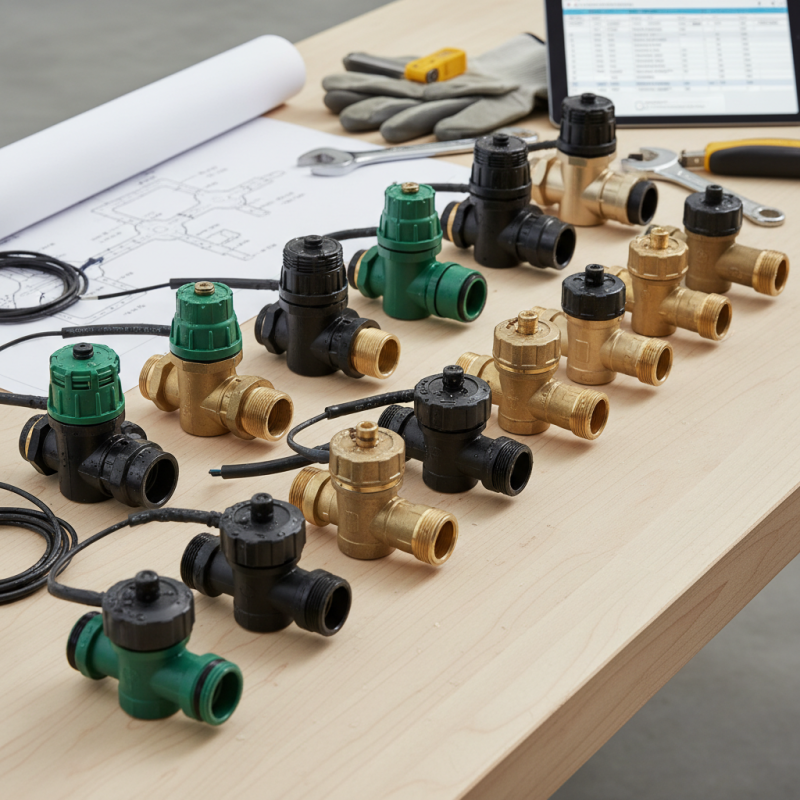
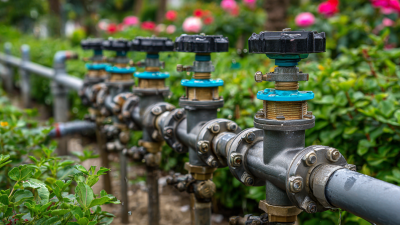
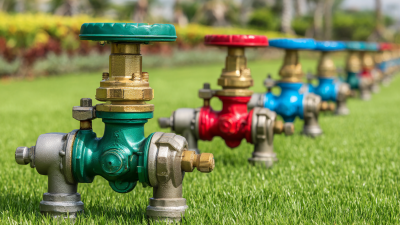
When it comes to efficient irrigation, understanding the different types of sprinkler valves is crucial. These valves govern the flow of water in any Sprinkler System. They can be sorted into a few primary categories: manual, electric, and hydraulic valves. Each type has its unique advantages and challenges. Manual valves are straightforward but require physical interaction. Electric valves provide automation but can face electrical issues. Hydraulic valves, while often reliable, can be complicated to install.

It's essential to reflect on how these valves interact with the entire sprinkler system. For instance, improper sizing or placement can lead to uneven water distribution. Some types may wear out quicker than expected, leading to leaks. Regular maintenance is crucial for longevity. Let's not overlook the importance of budget considerations as well. It’s easy to overspend on features that may not be necessary. Understanding the specific needs of your landscape will help in choosing the right Sprinkler System Valves. Remember, a small mistake in choosing the valve can lead to wasted resources and efforts in the long run.

Top 10 Sprinkler Valves for Efficient Irrigation

Key Features to Look for in High-Performance Sprinkler Valves

When selecting Irrigation Sprinkler Valves, efficiency is key. Look for valves with durable materials. Brass and PVC often outperform cheaper alternatives. Many experts recommend a pressure rating of 150 PSI or more for optimal performance. A study shows that high-quality valves reduce water wastage by 30%. This is substantial in both conserving resources and saving money.

A good valve should also feature easy maintenance. Some models allow for simple disassembly without tools. Quick-release mechanisms are a plus. This saves time during repairs. Additionally, consider the flow rate. A valve with adjustable flow can adapt to different watering needs. Note that flow rate influences the system's overall performance.

Lastly, assess the valve's compatibility with your existing system. Not all valves fit every irrigation setup. Ensure they work well with your current pipes and fittings. Compatibility issues can lead to leaks and inefficiencies. Regular reviews of your valve’s performance are essential. Aim for an optimal configuration that maximizes irrigation efficiency.

Top 10 Sprinkler Valves You Need for Efficient Irrigation

Model Type Flow Rate (GPM) Pressure Rating (PSI) Material Key Features
Model A Electric 10 150 Plastic Automatic shut-off
Model B Manual 15 200 Brass Durable construction
Model C Electric 5 100 Plastic Compact size
Model D Automatic 20 250 Brass Smart control
Model E Manual 25 300 Aluminum Corrosion resistant
Model F Electric 18 180 Plastic User-friendly interface
Model G Automatic 12 130 Brass Remote control
Model H Manual 8 90 Plastic Low water usage
Model I Electric 14 120 Brass Energy efficient
Model J Manual 30 400 Aluminum Heavy-duty design

Top 10 Recommended Sprinkler Valves for Optimal Water Distribution

Top 10 Sprinkler Valves You Need for Efficient Irrigation?

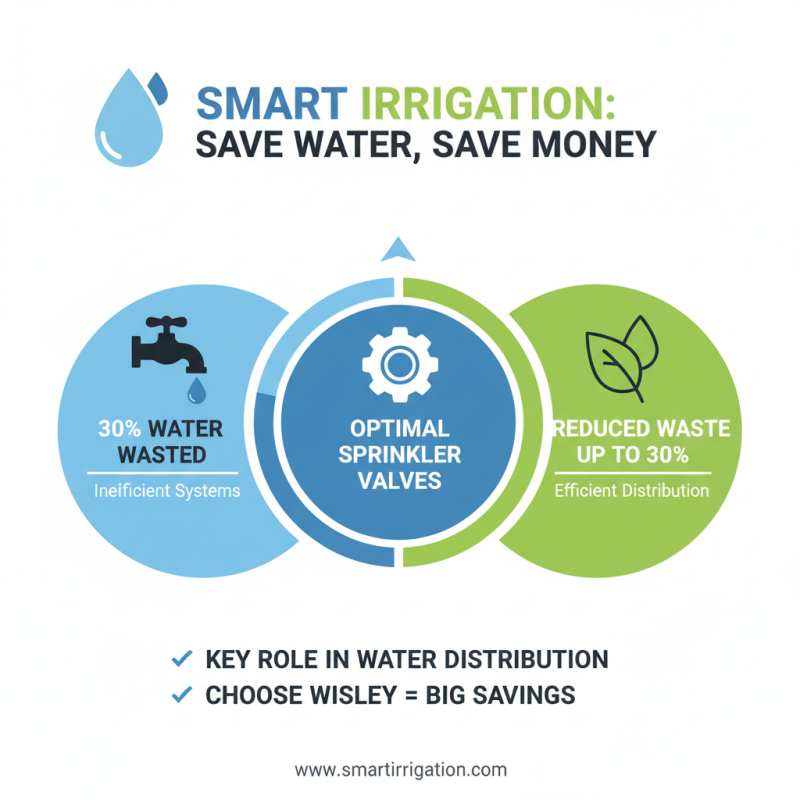
Efficient irrigation relies on selecting the right sprinkler valves. These valves play a critical role in water distribution. Based on industry reports, approximately 30% of irrigation water is wasted due to inefficient systems. Choosing optimal valves can significantly reduce this wastage.

Some of the top recommended valves are those that offer precise control. Features like pressure regulation can help maintain a consistent flow. A well-regulated system saves resources. Additionally, robust materials are essential for longevity. Average durability can range from five to ten years in optimal conditions—and less if poor materials are used.

Many gardeners overlook maintenance. Regular checks can prevent leaks and system failures. According to recent studies, nearly 20% of systems fail due to neglect. Being proactive allows for better management of water use. Not all systems are created equal. Some may require adjustments for particular terrains or climates. This customization can enhance efficiency, but users need to stay vigilant.

Installation Tips for Enhancing Sprinkler Valve Efficiency

When installing sprinkler valves, attention to detail is crucial. Proper placement can significantly improve efficiency. Digging trenches for pipes may seem simple, but it requires precision. Ensure that trenches are not too shallow or too deep. Any errors here can lead to leaks or damage.

Next, prioritize the use of quality fittings. They can prevent many future problems. However, even the best materials can fail if not installed correctly. Pay attention to all connections. They should be tight but not overly forced. Leaks often develop in poorly secured joints.

Regular maintenance is key for ongoing efficiency. Check for clogs and clean filters often. Neglecting this can lead to reduced water flow. Even small debris can cause significant issues. Keep an eye out for signs of wear. Ignoring minor leaks can escalate repair costs. Regular checks will help maintain optimal performance.

Common Issues with Sprinkler Valves and How to Troubleshoot

Top 10 Sprinkler Valves You Need for Efficient Irrigation?

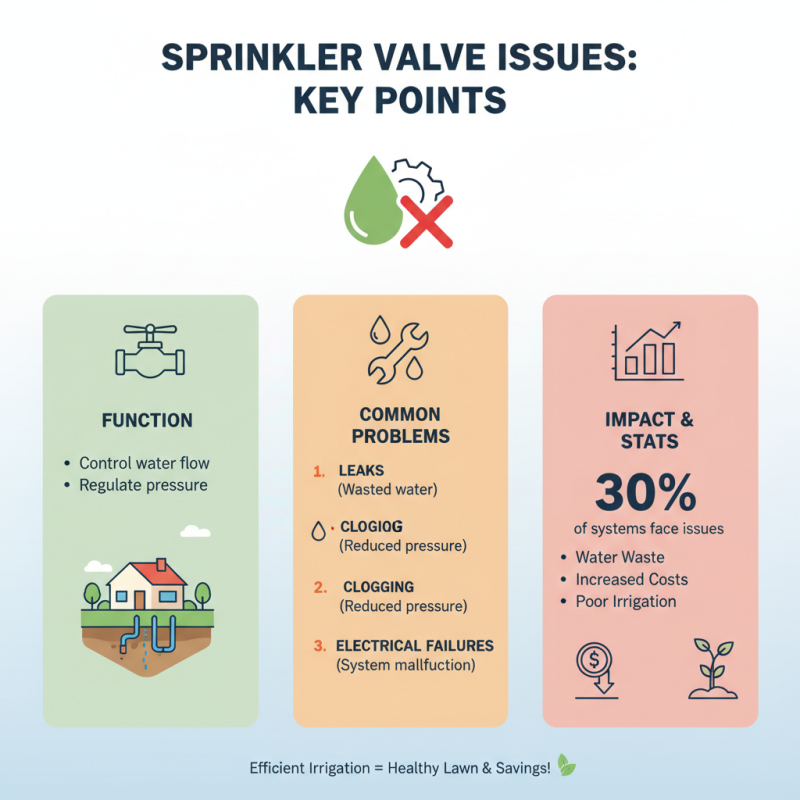
Sprinkler valves are vital for efficient irrigation. They control water flow and pressure in a Lawn Sprinkler system. However, issues can arise, affecting the system's performance. Common problems include leaks, clogging, and electrical failures. Reports show that around 30% of irrigation systems face such challenges, leading to water waste and increased costs.

When dealing with a leaky valve, check for visible cracks or damage. A simple replacement may resolve the issue. If the valve is clogged, flushing it with water can help. Ensure that dirt or debris isn't blocking the flow. Regular maintenance is essential.

**Tip:** Inspect your Lawn Sprinkler System Valves periodically. This can prevent future issues and enhance efficiency.

Electrical failures can be tricky. If a valve isn't responding, check the connections first. A loose wire can disrupt the entire system. Also, consider the age of the valve; older models may need replacement sooner.

**Tip:** Keep a record of maintenance dates and changes. This helps track performance over time.

Maintenance Practices for Long-Lasting Sprinkler Valves

Maintaining your sprinkler valves is essential for efficient irrigation. Regular checks can prevent bigger issues down the line. Inspect the valves for leaks and damaged seals. Even minor cracks can lead to significant water loss over time. Replace any faulty or worn-out parts promptly. This simple step can save water and improve efficiency.

Cleaning is vital too. Dirt and debris often clog the Sprinkler Irrigation Control Valves. This can disrupt the flow and pressure. Use a soft brush or cloth to wipe away dirt. Ensure the filters are free from grime. It’s a small task but can have big results.

Consider the seasonal changes as well. During winter, valves may freeze. Draining the system prevents this problem. Many forget to do this, leading to costly repairs. Regular maintenance checks throughout the year can help catch issues early. It's easy to overlook, but small details matter in ensuring your system runs smoothly.

Enhancing Your Garden Irrigation: A Comprehensive Guide to RAINLING's Premium 1/2” ABS Rotor Sprinkler RL5200H

In the realm of effective garden irrigation, achieving efficient water distribution is paramount. The RAINLING 1/2” ABS rotor sprinkler exemplifies a design that emphasizes durability and user convenience while ensuring optimal performance. With its 1/2" female thread and robust ABS housing, this sprinkler is built to withstand outdoor conditions, making it an excellent choice for both professional landscapers and gardening enthusiasts alike.

What sets this sprinkler apart is its advanced gear mechanism, rigorously tested for 500 hours, ensuring reliability and precision. The ability to adjust irrigation coverage from 25° to 360° is particularly advantageous for gardens in confined spaces. According to industry reports, effective irrigation systems can improve water efficiency by up to 30%, making the use of tools designed for precision, like this rotor sprinkler, essential in contemporary landscaping practices.

Furthermore, the RAINLING rotor sprinkler features a leak-proof dual-seal nozzle paired with a clog-resistant filter, significantly reducing water waste, which is crucial in areas facing water scarcity. With a three-year warranty backing it, users can be assured of its durability and long-lasting functionality across various applications, including patios, greenhouses, and urban landscapes. Investing in high-quality irrigation solutions not only contributes to healthier gardens but also aligns with sustainable practices in water management.

FAQS

: What is the main purpose of this product?

: The product aims to enhance daily experiences. Customers find it useful in multiple scenarios.

How do I use the product effectively?

Follow the provided guidelines closely. Practice makes perfect when using new tools.

Are there any common mistakes to avoid?

Yes, many users forget to follow instructions. Not paying attention can lead to poor results.

How do I clean and maintain the product?

Regular cleaning is essential. Use a soft cloth and mild detergent to maintain its quality.

What if I encounter issues while using it?

Check for common problems first. If issues persist, seek help from a support service.

Is the product suitable for everyone?

It is designed for a wide range of users. However, individual preferences may vary.

How long does it typically last?

While quality is high, lifespan depends on usage. Overuse can shorten its life significantly.

What features should I focus on?

Concentrate on the primary functions. Hidden features may not be as crucial for everyday use.

Can it be used outdoors?

Yes, but consider environmental conditions. Exposure to extreme temperatures may affect performance.

What is the return policy if I'm not satisfied?

Most places offer a return policy. Check the specific terms to avoid confusion.

Conclusion

Sprinkler valves play a crucial role in irrigation systems by controlling water flow efficiently, ensuring that plants receive the right amount of hydration. This article provides a comprehensive guide to understanding the various types of sprinkler valves, their key features, and how to select the best options for optimal water distribution.

Additionally, the article highlights installation tips that can enhance the performance of sprinkler valves, common issues that users might face, and effective troubleshooting strategies. Regular maintenance practices are also discussed to help extend the lifespan of these essential irrigation components. Overall, this guide aims to equip readers with the knowledge needed for effective irrigation management using high-performing sprinkler valves.
Isabella

Isabella

Isabella is a dedicated marketing professional at RAIN LING, where she combines her passion for sustainable innovation with an exceptional understanding of the company’s pioneering irrigation solutions. With a keen eye for detail and a commitment to precision, she ensures that every piece of......
Previous How to Find the Best Suppliers for High Quality Sprinkler Clocks