Leave Your Message
0%

Choosing the right Fixed Sprinkler system isn’t just about reading labels — it really starts with understanding the hazards you're dealing with. For example, a warehouse packed with plastic goods faces totally different risks compared to a heated office or an icy loading dock. Things like water temperature, how fast the system needs to respond, ceiling height, how storage is arranged, and what the building is used for all play big roles in shaping the final design.

Robert Solomon, who used to be the director of Building Fire Protection at NFPA, summed it up nicely: “The hazard determines the sprinkler design.” And honestly, that’s still one of the most practical things to keep in mind. But it’s also good to have some context. For instance, a wet pipe system works pretty well in many heated buildings because it’s simple and reliable. On the other hand, dry pipe systems are better suited for cold spaces where freezing could be a problem. There are also pre-action systems that include detection controls before water even gets into the pipes—kind of like a two-step process. Then there are deluge systems, which open all their sprinklers at once to quickly soak a large area. And if you’re dealing with special fire hazards, foam-water systems might come into play, but those need to be carefully engineered and meet local rules.

What’s coming up next is a quick look at these main types of Fixed Sprinkler Systems. We’ll talk about how they work, where they’re best used, what their limitations are, maintenance needs, and installation tips. NFPA 13 is a great technical resource, but it’s no substitute for chatting with a qualified fire protection engineer or getting approval from the authority having jurisdiction.

And honestly, real-world projects are almost never perfect. What looks good on paper can sometimes fall flat in practice—maybe access is tricky, valves are hard to find, or inspections get overlooked. That’s why field experience really matters. Sometimes, a visible pressure gauge, a tested alarm valve, or even keeping clear records can tell you more than a shiny, perfect-looking spec sheet. The best choice balances safety, dependability, the building’s unique conditions, and long-term maintenance. There’s no one-size-fits-all solution — no single sprinkler system rules them all.
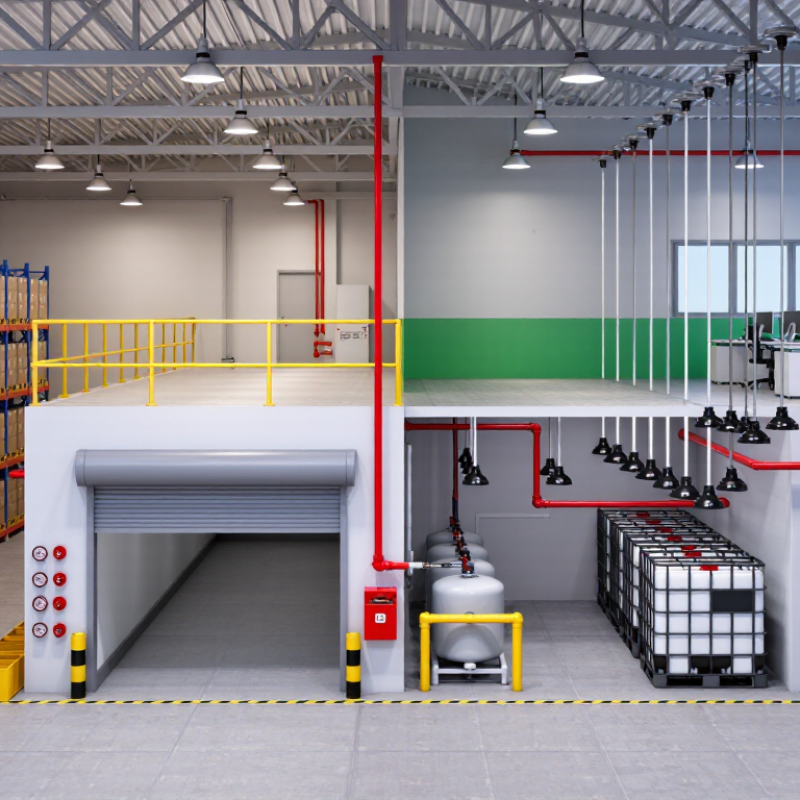
What Are the Top Types of Fixed Sprinkler Systems?

What Is a Fixed Sprinkler System and How Does It Work?

What Are the Top Types of Fixed Sprinkler Systems?

What Is a Fixed Sprinkler System and How Does It Work?

A fixed sprinkler system is a permanent network of pipes, valves, water supplies, and Fixed Sprinkler Heads. It stays ready above ceilings, beneath floors, or inside industrial spaces. When heat reaches a sprinkler’s activation point, its glass bulb breaks or its fusible element releases. Water then flows through that head, while an alarm valve and monitoring device signal the event.

The main types include wet pipe, dry pipe, pre-action, and deluge systems. Wet pipe systems hold pressurized water and respond quickly in heated buildings. Dry pipe systems use air where freezing is possible. Pre-action systems require fire detection before water enters the pipes, helping protect sensitive areas. Deluge systems use open heads and discharge water across a larger zone.

NFPA’s U.S. Experience with Sprinklers report found that sprinklers operated in about 92% of reported fires large enough to activate them. When they operated, they were effective in approximately 97% of cases. These figures show strong performance, not guaranteed protection. A closed valve, blocked head, poor water pressure, or delayed maintenance can change the outcome. I would not treat any percentage as a promise.

A practical inspection should check visible corrosion, painted heads, damaged pipes, and valve access. Even one obstructed sprinkler may leave a cold, unprotected patch above stored materials. System selection also depends on occupancy, ceiling height, storage arrangement, temperature, and local fire codes.

What Are the Main Types of Fixed Sprinkler Systems?

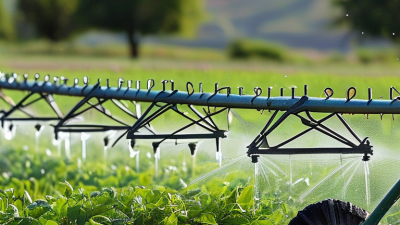
Fixed sprinkler systems deliver water from stationary outlets placed in a planned garden layout. The main types include fixed Spray Heads, rotary nozzles, impact sprinklers, and drip systems. Each type suits different planting areas, soil conditions, and water pressures.

Fixed spray heads create a fine, fan-shaped pattern. They work well across small lawns, narrow borders, and flower beds. Their short reach can reduce overspray near walls and pathways.

Rotary nozzles release several slow-moving streams. They cover larger areas more evenly and usually produce less runoff. Fixed rotary nozzles for garden irrigation are useful where steady coverage matters.

Impact sprinklers use a striking arm to distribute water in a strong circular pattern. They can serve broad lawns, but their noise and spray force may disturb delicate plants.

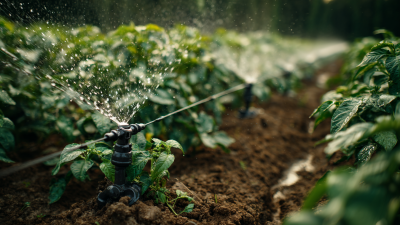
Drip systems apply water slowly through emitters near plant roots. This method limits evaporation and keeps foliage drier. It requires careful filtering and regular checks for blocked outlets.

In practical installations, spacing matters as much as sprinkler type. Head-to-head coverage helps prevent dry patches. I have seen attractive layouts fail because nearby shrubs blocked the spray. Water pressure also changes performance. A system may look correct on paper, yet uneven pressure can leave one corner thirsty. Checking the soil after watering remains useful, even with automatic controls. Surface moisture can mislead.

Dig a little.

How Do Wet Pipe Sprinkler Systems Operate?

Wet pipe sprinkler systems are the most common fixed sprinkler arrangement because water stays inside the pipes. When heat reaches a sprinkler’s activation temperature, its glass bulb or fusible element releases. Water then flows through the open sprinkler head, while an alarm valve detects movement and signals the building’s fire alarm system. Only heated sprinklers usually activate, limiting unnecessary water discharge.

The process is mechanical, not smoke-controlled. A smoky room may not trigger a sprinkler if temperatures remain below its rated threshold. That detail matters.

According to NFPA’s U.S. Experience with Sprinklers report, sprinklers operated in 92% of structure fires large enough to activate them. When they operated, they were effective in 96% of cases. The combined success rate was 88% (NFPA, 2017).

In practice, reliability depends on more than the sprinkler head. Installers must consider pipe sizing, water supply, hazard classification, spacing, and obstruction risks. Regular inspections also check control valves, gauges, alarm connections, and corrosion. Wet pipe systems perform poorly in areas exposed to freezing temperatures. A damaged pipe can create a costly failure before a fire occurs. That weakness is easy to underestimate. Building owners should verify local design requirements and inspection intervals under applicable fire protection standards. Professional judgment still matters, especially in mixed-use buildings with storage, kitchens, or unheated loading areas.

When Are Dry Pipe Sprinkler Systems Used?

Dry pipe sprinkler systems are selected when freezing temperatures could damage water-filled piping. They are common in unheated warehouses, loading docks, parking garages, attics, and cold storage areas. The pipes hold pressurized air or nitrogen instead of water. When heat activates a sprinkler, the dry pipe valve opens and water enters the network.

The response is slower than a wet system. That difference matters. NFPA 13 requires careful hydraulic design, air-pressure settings, valve supervision, and drainage provisions for dry systems. NFPA’s U.S. Experience with Sprinklers report found that sprinklers operated in about 92% of structure fires large enough to activate them. They worked effectively in about 97% of those cases. These figures describe sprinkler systems broadly, not dry pipe systems alone.

A practical inspection lesson is simple: low points can hide trapped water. If drainage is neglected, freezing may still occur. Designers should also consider the system’s water delivery time, pipe volume, hazard classification, and alarm response. A Fixed Nozzle arrangement may suit specialized protection, but it should not replace a properly engineered sprinkler layout. Dry pipe systems cost more to maintain because compressors, air leaks, and valve rooms require regular attention. The choice is not always obvious. Warmer buildings may need only wet protection, while borderline spaces deserve a temperature study and documented risk review.

What Are the Top Types of Fixed Sprinkler Systems? - When Are Dry Pipe Sprinkler Systems Used?
Fixed Sprinkler System Type Pipe Condition Under Normal Conditions Primary Activation Method Typical Applications Main Advantages Key Limitations or Considerations
Wet Pipe System Pipes are filled with pressurized water. A heat-sensitive sprinkler operates when its rated temperature is reached and releases water directly onto the fire. Heated commercial buildings, offices, schools, residential buildings, retail areas, and warehouses where freezing is not expected. Simple design, rapid water delivery, relatively low maintenance requirements, and generally lower installation complexity. Not suitable for areas where water-filled pipes may freeze. Water damage can occur if a sprinkler is accidentally activated or a pipe fails.
Dry Pipe System Pipes contain pressurized air or nitrogen; water is held back by a dry-pipe valve. A sprinkler opens from heat, causing the system pressure to fall and allowing the dry-pipe valve to admit water. Unheated warehouses, loading docks, parking garages, exterior canopies, attics, and other spaces exposed to freezing temperatures. Protects areas where water-filled piping could freeze while still providing automatic fire suppression. Water delivery is slower than in a wet pipe system. The system is more complex, may require an air supply, and needs careful control of low-point drains and moisture.
Preaction System Pipes are normally filled with air or nitrogen; water is held behind a preaction valve. Typically requires detection of a fire condition before the valve opens, followed by sprinkler activation to discharge water. Data processing rooms, archives, museums, libraries, telecommunications spaces, and other areas where accidental water discharge must be minimized. Provides an additional activation step and can reduce the risk of unintended water release compared with conventional wet or dry systems. Higher installation and maintenance cost, greater system complexity, and reliance on detection, releasing, and supervisory components.
Deluge System Pipes are normally dry, with open sprinklers or open nozzles. A separate detection system opens the deluge valve, allowing water to flow from all open outlets at the same time. Aircraft hangars, chemical processing areas, flammable-liquid hazards, power generation facilities, and locations requiring rapid area-wide water application. Delivers a large volume of water quickly over the entire protected zone and is suitable for rapidly developing or high-hazard fires. Uses substantially more water than systems with individually closed sprinklers. Requires drainage capacity, specialized design, and coordinated detection and release controls.
Water Mist System Pipework may contain water, air, or be arranged according to the specific system design. Specialized nozzles discharge very small water droplets when activated by automatic detection or thermal elements. Selected machinery spaces, transportation facilities, heritage buildings, turbines, and hazards where water consumption or equipment exposure must be controlled. Can use less water than traditional sprinklers and may provide cooling, oxygen displacement, and heat attenuation in suitable applications. Performance depends strongly on nozzle design, pressure, enclosure conditions, ventilation, and the tested application. It is not a universal replacement for standard sprinklers.
When are dry pipe sprinkler systems used? Dry pipe systems are generally selected for spaces that may fall below the freezing point, because the piping is not normally filled with water. System selection, temperature limits, water delivery time, hazard classification, and maintenance requirements should be verified by a qualified fire protection professional and the applicable local codes and standards.

What Are Pre-Action and Deluge Sprinkler Systems?

Pre-action and deluge systems serve different high-risk environments. A pre-action system keeps water out of its piping until a separate detection system responds. This approach helps limit accidental water release in data rooms, museums, and cold storage areas. In a double-interlock design, detection and sprinkler activation are both required before water enters the pipes. The sequence is deliberate, not instant. During inspection, technicians should check detection devices, air pressure, valve trim, and release controls. One overlooked fault can delay operation.

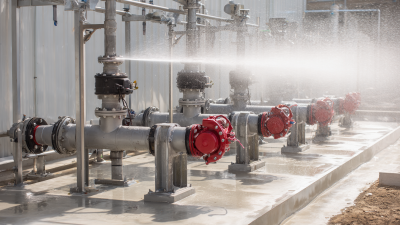
A deluge system uses open sprinklers or nozzles, so every outlet discharges water when the deluge valve opens. It suits areas where fire may spread rapidly, such as chemical processing zones, aircraft shelters, and fuel-handling spaces. Fixed Rotary Nozzles may support targeted water distribution in selected layouts, but hydraulic calculations must confirm coverage. NFPA’s U.S. Structure Fires report found sprinklers operated in about 92% of relevant fires and were effective in about 96% of cases when they operated. These figures show strong performance, not guaranteed protection. NFPA 13 also emphasizes suitable design, installation, and maintenance. The uncomfortable detail is simple: a well-designed system can still fail through blocked nozzles, closed valves, or neglected testing. Field records often reveal this gap.

Top Types of Fixed Sprinkler Systems

This comparison uses binary indicators: 1 means the characteristic normally applies, while 0 means it normally does not. Wet-pipe and dry-pipe systems use closed sprinklers, pre-action systems require a separate detection signal before water enters the piping, and deluge systems use open sprinklers that discharge simultaneously when the detection system activates the deluge valve.

How Should Different Sprinkler Systems Be Compared?

Comparing fixed sprinkler systems starts with the hazard, not the pipe layout. Wet-pipe systems hold pressurized water above freezing. They are usually suitable for heated offices, shops, and warehouses. Dry-pipe systems keep air in the piping until heat opens a sprinkler. They suit unheated loading bays, but release water more slowly. Preaction systems add detection before water enters the pipes. They can protect archives, data rooms, and other water-sensitive spaces. Deluge systems use open sprinklers and release water across a whole zone. That intensity fits severe, rapidly spreading hazards.

A sound comparison should measure response time, temperature limits, water demand, false-release exposure, inspection burden, and repair access. NFPA 13 links design to occupancy hazard, storage arrangement, ceiling height, and available water supply. NFPA 25 requires regular inspection, testing, and maintenance. Neglected valves can defeat a well-designed system. This is practical, not paperwork.

NFPA’s 2024 U.S. Experience with Sprinklers report found that sprinklers operated in 92 percent of reported structure fires large enough to activate them. When they operated, they were effective in 96 percent of cases. These figures describe performance, not a guarantee.

Field experience exposes tradeoffs. A dry system may prevent freeze damage, yet air leaks can delay operation and increase maintenance. A preaction system may limit accidental discharge, but its controls create more failure points. Deluge protection can overwhelm drainage if calculations ignore floor slope and containment. Compare lifecycle cost, not purchase price. Include water-supply testing, spare heads, access, corrosion monitoring, and staff response. No comparison is perfect. Local climate and changing storage often matter more than the initial selection.

Fixed Rotary Nozzles from China: CE-Certified Performance with a 5–7.5m Throw Distance

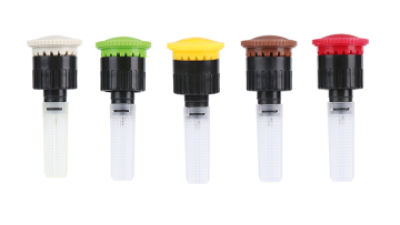
Fixed rotary nozzles from China offer reliable irrigation performance with a practical throw distance of 5–7.5 meters. Available in fixed arcs from 90° to 360°, they support accurate coverage for flower beds, lawns, narrow planting areas, and larger landscape zones. The special 360° S short-radius option adds flexibility where conventional nozzles may produce excessive overspray or uneven coverage.

Designed with a matched precipitation rate across all arc options, these nozzles help maintain consistent watering when different patterns operate within the same valve circuit. This makes zoning simpler while improving water distribution across varied landscape layouts. Their high-strength POM polymer construction provides durability in demanding outdoor conditions, while the integrated filter helps reduce debris-related issues and extends service life.

The nozzles are universally compatible with industry-standard pop-up spray bodies, allowing straightforward installation, replacement, and system upgrades. CE and ISO9001 certifications reflect controlled manufacturing and quality management, and a three-year warranty provides additional assurance for long-term use.

FAQS

What is a fixed sprinkler system?

It is a permanent network of pipes, valves, water supplies, and sprinkler heads. It remains ready above ceilings, below floors, or inside industrial areas. Small details matter.

How does a fixed sprinkler system operate?

Heat activates an individual sprinkler head. A glass bulb breaks, or a fusible element releases. Water then flows through that head. An alarm signals the event.

What are the main types of fixed sprinkler systems?

The main types are wet pipe, dry pipe, pre-action, and deluge systems. Each type matches different temperatures, hazards, and water concerns. The best choice is rarely universal.

When is a dry pipe system useful?

Dry pipe systems suit unheated warehouses, parking garages, loading docks, attics, and cold storage rooms. Pressurized air or nitrogen fills the pipes first. Water enters after heat opens a sprinkler.

Why is a dry pipe system slower?

Air must leave the pipes before water reaches the activated head. That delay can matter during fast fire growth. Low points may also hide trapped water. Drainage is easy to overlook.

How does a pre-action system protect sensitive areas?

A detection device usually operates before water enters the sprinkler piping. This can reduce accidental discharge in archives, data rooms, and similar spaces. More controls also create more possible failure points.

When is a deluge system appropriate?

Deluge systems use open sprinkler heads and release water across an entire zone. They suit severe hazards that may spread quickly. Drainage and containment must handle the high water volume.

What should be considered when comparing sprinkler systems?

Compare response time, temperature limits, water demand, false-release risk, maintenance, and repair access. Also review ceiling height, stored materials, occupancy, and water supply. Purchase price alone misleads.

How reliable are fixed sprinkler systems?

Reported systems operated in about 92 percent of fires large enough to activate them. When operating, they were effective in roughly 96 to 97 percent of cases. These figures describe performance, not a promise.

What inspections can prevent sprinkler problems?

Check for corrosion, painted heads, damaged pipes, blocked spray paths, and inaccessible valves. Inspect low points for trapped water. One obstructed head can leave a cold, unprotected patch. Oversight happens.

Conclusion

A Fixed Sprinkler system is a permanently installed fire protection network designed to detect heat and release water or another approved extinguishing medium in a controlled area. It typically includes pipes, valves, sprinkler heads, alarms, and a reliable water supply. When temperatures rise to a set level, individual sprinkler heads activate to control or suppress a fire, helping protect people, property, and essential equipment.

The main types include wet pipe, dry pipe, pre-action, and deluge systems. Wet pipe systems keep water inside the pipes and are suitable for areas where temperatures remain above freezing. Dry pipe systems hold pressurized air or nitrogen and are better for unheated spaces. Pre-action systems require an additional detection signal before water enters the pipes, making them useful where accidental discharge could cause serious damage. Deluge systems release water through all open heads at once for high-hazard areas. Systems should be compared by climate, fire risk, response speed, installation requirements, maintenance needs, and the potential impact of water discharge.

Isabella

Isabella

Isabella is a dedicated marketing professional at RAIN LING, where she combines her passion for sustainable innovation with an exceptional understanding of the company’s pioneering irrigation solutions. With a keen eye for detail and a commitment to precision, she ensures that every piece of......
Previous How to Choose the Right Water Controller?