Water’s a pretty precious resource, you know? Yet, a lot of places are still facing water shortages. That’s why innovations like the Water Controllerare such a game-changer for water management. I read somewhere that, according to a recent report from the American Society of Civil Engineers, poor water usage costs us about a trillion gallons every year just in the U.S.—crazy, right? That’s where having a Water Controller can really make a difference, helping us use water more wisely and maybe even saving some money along the way.
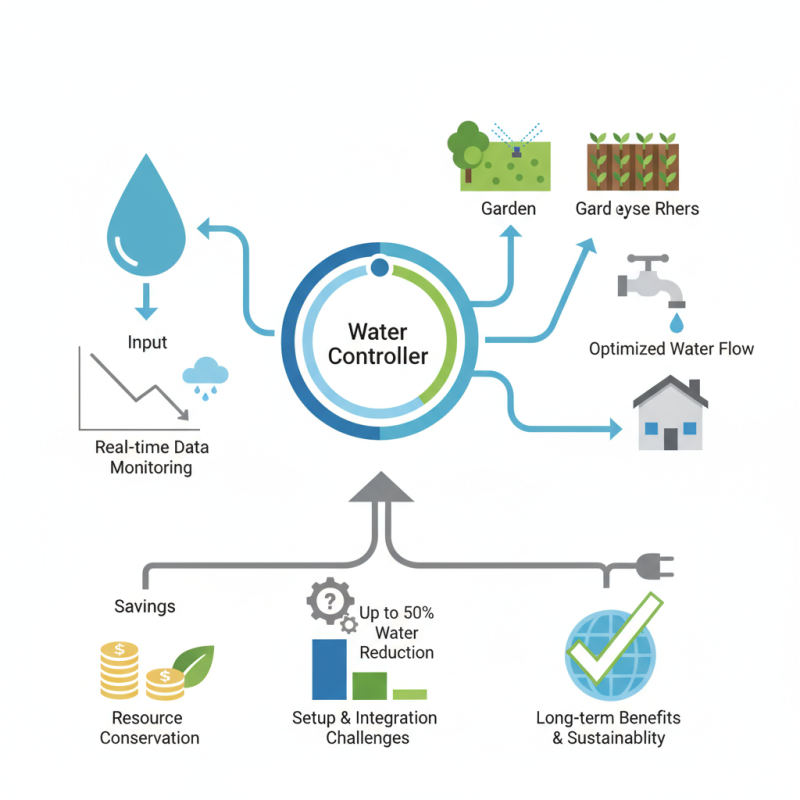
Basically, a Water Controller uses smart tech to keep an eye on how water’s being used and adjust things on the fly. It can tweak water flow based on real-time info, making sure your garden, farm, or house only gets what it needs. For example, studies have shown that systems with Water Controllers can cut water use by up to 50%. That’s a huge difference, and it really highlights how old-school watering methods have a lot of room for improvement.
Of course, switching to this tech isn’t all sunshine and rainbows. Some folks might find the initial setup a bit tricky or worry about how to integrate it with their existing systems. But honestly, when you weigh those small hurdles against the long-term benefits, it’s pretty clear that it’s worth considering. Getting a good handle on how a Water Controller works can totally open up new ways to be more sustainable with our water use.
What is a Water Controller?
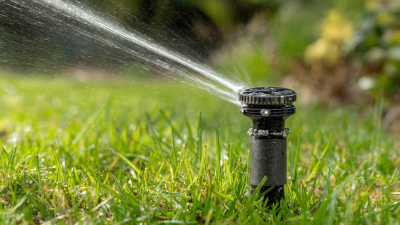
A water controller is a device designed to manage the watering of gardens and landscapes. It automates the irrigation process, offering convenience and efficiency. These devices often connect to a network of Water Sprinklers, which distribute water evenly across the area. With the right settings, users can create specific watering schedules tailored to their plants' needs.
However, while water controllers help save time, they can also lead to overwatering or underwatering if not adjusted properly. Many users might set the controller and forget it, leading to potential plant stress. An initial enthusiasm can quickly turn to regret if the settings don't match seasonal changes.
Moreover, some controllers come with smart features, like weather monitoring, but these aren't always reliable. Connecting to a smartphone app might be tempting, but technology can fail. Users should regularly check their systems, ensuring everything functions correctly. While a water controller can simplify irrigation, taking time to understand its functions is crucial for the health of the garden.
The Importance of Water Controllers in Modern Irrigation
Water controllers play a crucial role in modern Irrigation Systems. They automate the process of delivering water to crops, making it more efficient. According to a report by the Irrigation Association, using a water controller can save up to 30% of water compared to traditional methods. This efficiency not only conserves water but also reduces costs for farmers.
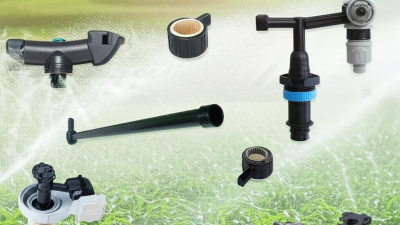
Many farmers still rely on manual systems, which can lead to over-watering or under-watering. This often results in stressed plants and lower yields. The use of a Water Sprinkler Valve in a water controller allows for precise control of water flow. Improper settings can lead to waste, failing to meet the plants' needs.
In contrast, modern controllers can adjust watering schedules based on weather conditions. They utilize soil moisture sensors to prevent over-irrigation. However, many still underestimate the technology's potential. Reports indicate that only 25% of farmers use advanced controllers, leaving room for improvement. This gap highlights the need for education on water conservation techniques.
What is a Water Controller and How Does It Work? - The Importance of Water Controllers in Modern Irrigation
| Feature | Description | Benefits |
| Automated Scheduling | Allows for timed irrigation based on plant needs and weather patterns. | Saves water, reduces labor costs, and ensures optimal growth conditions. |
| Soil Moisture Sensors | Monitors soil moisture levels in real-time to adjust watering schedules. | Prevents overwatering and underwatering, promoting healthy soil. |
| Weather Forecast Integration | Connects to weather data to adjust watering based on rain forecasts. | Enhances water conservation and reduces unnecessary irrigation. |
| Remote Access | Allows users to control and monitor irrigation systems from smartphones or computers. | Increases convenience and provides timely management options. |
| Data Analytics | Collects data on water usage and plant health for ongoing adjustments. | Promotes sustainable practices and optimizes resource use. |
How Water Controllers Function: Basic Principles
Water controllers play a vital role in managing water flow for various applications. They regulate how much water is distributed based on preset criteria. These devices can be found in irrigation systems, swimming pools, and even in industrial settings. Their primary function revolves around maintaining optimal water levels while preventing wastage.
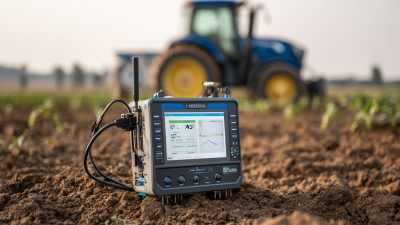
The basic principle behind water controllers involves sensors and automation technology. These systems use moisture sensors to measure the soil's humidity. When the moisture drops below a certain level, the controller activates the water supply. This intelligent response minimizes water usage and maximizes efficiency.
However, these systems require regular maintenance. Blocked sensors or programming errors can lead to oversaturation or drought conditions.
Installation is another step that can be challenging. Placing sensors too deep can delay responses. Conversely, improper wiring may lead to malfunctions. A well-functioning water controller enhances sustainability. Yet, failures in monitoring can lead to disaster.
Balancing technology with human oversight remains a crucial aspect of effective water management.
Types of Water Controllers and Their Applications
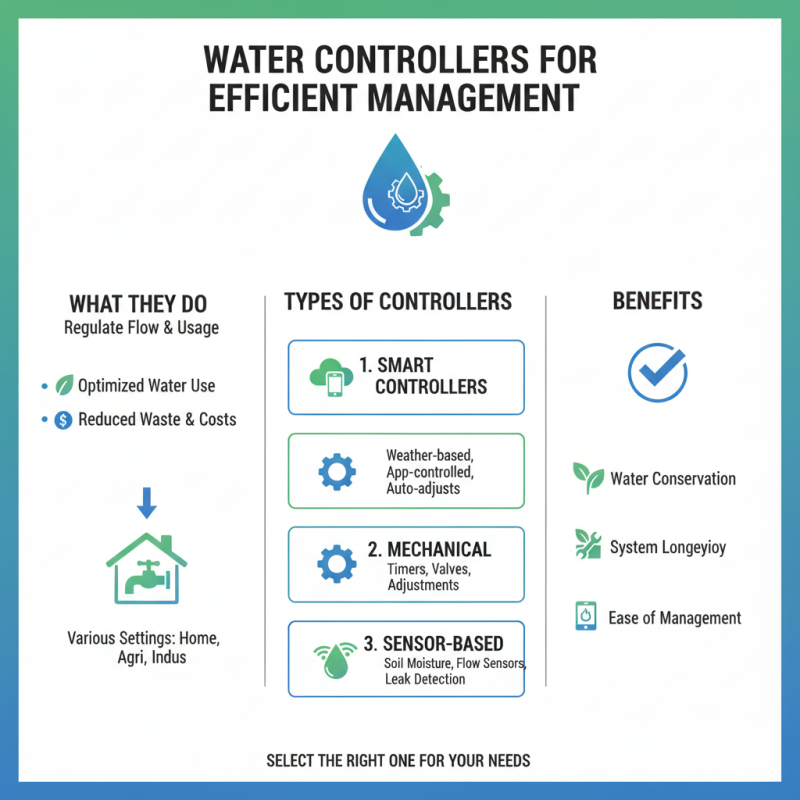
Water controllers are essential for efficient water management. They regulate the flow and usage of water in various settings. Understanding the types of water controllers can help in selecting the right one for your needs.
One common type is the Irrigation Controller. These devices optimize water usage in gardens and farms. They adjust watering schedules based on weather conditions. They help prevent overwatering, which can damage plants. Another type is the flow controller, often used in industrial applications. These systems maintain consistent water pressure and flow rates. Unfortunately, they can sometimes be complex to install and require regular maintenance. The challenge lies in ensuring they operate effectively.
Smart water controllers are gaining popularity. They allow users to manage water usage remotely through apps. This technology promotes convenience and efficient usage. However, some users find the learning curve steep. Not everyone embraces new technology easily. Balancing innovation with ease of use remains a challenge for manufacturers. Users must weigh the pros and cons before making a choice.
Components of a Water Controller System
A water controller system is designed to manage irrigation effectively. The main components of this system include controllers, sensors, and valves. These elements work together to optimize water usage in gardens and landscapes.
The controller is the brain of the system. It receives data from soil moisture sensors. These sensors tell the controller when the soil is dry. Based on this information, the controller activates the valves. Valves open and close to release water. This process ensures plants receive the right amount of water without waste.
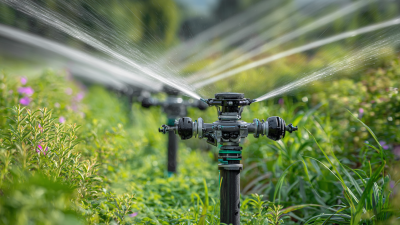
Another crucial component is the Water Sprinkler System. It distributes water evenly over the designated area. However, improper setup can lead to uneven watering. This not only wastes water but may also harm the plants. Careful planning and regular maintenance are necessary. Reflecting upon these aspects can help improve the efficiency of a water controller system.
Benefits of Using a Water Controller in Agriculture
A water controller is a vital tool in modern agriculture. It automates irrigation, ensuring that crops receive an optimal amount of water. This precise control aids in efficient water management, which is crucial in areas facing water scarcity. According to the Food and Agriculture Organization, agriculture accounts for 70% of global freshwater use. By using a water controller, farmers can reduce water waste while enhancing crop yield.
The benefits of using a water controller in agriculture are numerous. It can minimize water costs significantly. In fact, some reports suggest that Smart Irrigation Systems can save up to 50% on water usage. Using aWater Irrigation System allows for tailored watering schedules that align with plant needs. This means healthier crops and potential profits.
Tip: Regularly check your water controller for accuracy. Mistakes can lead to over- or under-watering, which harms plants.
Moreover, precise irrigation can decrease labor costs. Automated systems enable farmers to monitor water levels remotely, reducing the need for physical checks. However, farmers must ensure the system is properly maintained. Neglect could lead to malfunction and crop loss.
Tip: Invest time in learning your water controller's settings. Familiarity can lead to better crop management and fewer surprises.
Preserving Water Resources with Automated Water Management
Water resources are precious. Yet, they often go to waste. Automated water management systems, like water controllers, play a key role in changing this. They monitor and manage usage effectively. Think of a garden where every plant gets the right amount of water. No more, no less. This minimizes waste and maximizes growth.
These systems incorporate sensors and timers. They ensure that water only flows when necessary. For instance, soil moisture sensors detect dryness. When the soil is saturated, watering stops. This prevents over-watering. In some cases, people forget to check their gardens. Automated systems don’t forget. They act consistently, preserving resources over time. However, technology isn't flawless. Sometimes, sensors can malfunction, leading to either drought or flooding.
The goal is to balance efficiency with practicality. Automated systems should be easy to use but effective. Without regular updates and maintenance, their benefits might dwindle. Users must remain mindful of their settings and local water needs. This is crucial for sustainable water use. Simple steps, such as adjusting schedules based on weather forecasts, can make a difference. Water controllers can lead us toward a more responsible water future.
Unlocking Efficiency: How Advanced Decoder Controllers Enhance Signal Processing in Modern Telecommunications (2023 Industry Insights)
In the rapidly evolving landscape of modern telecommunications, advanced decoder controllers are emerging as crucial components that significantly enhance signal processing efficiency. These controllers, capable of supporting up to 100 stations through HSBUS communication over distances of up to 3 kilometers, showcase the increasing demand for robust and seamless data transmission in various applications, particularly in large-scale agricultural irrigation systems. According to a recent industry report, the integration of sophisticated decoder technologies can lead to a 25% increase in operational efficiency, underscoring their vital role in contemporary telecommunication infrastructures.
The versatility of these decoder controllers is further emphasized by their availability in both AC and DC versions, allowing for flexible field applications tailored to diverse environmental conditions. Their compatibility with essential sensors and devices, such as soil moisture, rain gauges, and solenoid valve decoders, demonstrates a comprehensive approach to irrigation management. This adaptability not only optimizes resources but also promotes sustainable practices in agriculture, gardens, and parks, which are increasingly critical in the face of global water scarcity challenges. Industry insights predict that the adoption of advanced decoder controllers will continue to rise, driven by the need for enhanced irrigation solutions that combine technology with environmental responsibility.
FAQS
: Think about your goals and available resources. Define clear objectives for better focus.
Prioritize tasks each day. Use a planner to track deadlines and commitments.
Feedback helps improve your work. It offers new perspectives and highlights areas to refine.
Take courses relevant to your field. Practice regularly and seek out mentorship opportunities.
Identify the problem clearly. Reevaluate your approach and be open to alternative solutions.
Communicate openly and clearly. Listen actively and be considerate of different viewpoints.
Yes, mistakes are part of learning. Reflect on them and adjust your strategies accordingly.
Set small, achievable goals. Celebrate milestones to maintain enthusiasm and commitment.
Conclusion
A Water Controller is a sophisticated device designed to automate and optimize the irrigation process in agriculture. By regulating water usage based on precise data and environmental conditions, Water Controllers play a crucial role in modern irrigation systems, ensuring plants receive the correct amount of water needed for optimal growth while conserving vital water resources.
These systems operate on basic principles of automation and data management, with various types catering to different agricultural applications. Comprising essential components such as sensors, timers, and control units, Water Controllers enhance efficiency and increase crop yields. The benefits of utilizing a Water Controller include improved water management, reduced labor costs, and significant preservation of water resources, making them indispensable in sustainable farming practices.