Leave Your Message
0%

Picking out the best sprinkler controller in 2026 isn't really about going for the priciest model. Instead, it’s more about finding one that matches your yard and meets your needs. A good, reliable controller should make managing your watering schedule straightforward — not another headache, especially during those scorching hot weeks or right after a surprise rainstorm. Look for a controller that offers clear scheduling options, solid connectivity, and controls that are easy to adjust either from your phone or right on the unit. Before you buy, make sure it’s compatible with your existing valves and wiring — a compatibility mix-up can turn a quick upgrade into a frustrating afternoon of troubleshooting. Small details matter, too — stuff like easy-to-read labels, a responsive app, and a manual override option come in handy, especially if your network goes down. It's worth keeping these things in mind.

This guide breaks down different types of controllers and what you should consider for lawns, garden beds, or a mix of everything. We focus on practical stuff — like how easy it is to set up, control day-to-day watering, weather features, and how clear each brand’s support info is. A Wifi Controller Sprinkler can be super handy for remote control, but having Wi-Fi doesn’t automatically mean better watering. Some systems let you tweak schedules easily; others might feel a bit complicated if you’ve got a small garden. No one-size-fits-all here. Also, we think about installation hassle and ongoing costs — those details can sometimes get lost in product listings. The best choice is the one you can set up properly and keep running smoothly over time. Just remember, no controller can fix poorly placed sprinklers or a broken head, so keep that in mind as you compare options and read through recommendations.
What Is the Best Sprinkler Controller in 2026?

What a Sprinkler Controller Does in an Irrigation System

A sprinkler controller is the Irrigation System’s scheduler and signal hub. It tells each zone valve when to open and for how long, coordinating watering across lawns, planting beds, and drip lines. The timing matters: a shaded bed may need less water than a sunny strip beside a hot driveway. A basic timer follows a fixed schedule; a weather-based controller can adjust watering using local weather data, while soil sensors respond to moisture near the roots.The controller cannot fix blocked Nozzles or poor coverage. It can only manage the system it is connected to.

That distinction matters because watering demand is substantial. The U.S. Environmental Protection Agency’s WaterSense program estimates that Landscape Irrigation accounts for nearly one-third of residential water use in the United States, about 9 billion gallons daily. EPA also reports that a WaterSense-labeled controller, used properly, can help an average household save nearly 7,600 gallons annually. These are estimates, not a promise for every yard. In practice, sensor placement, plant type, soil, and local rainfall all affect performance. A sensor under a tree may stay damp while exposed soil dries out. Small details matter. Even a well-set controller may need seasonal adjustments, and that part is easy to overlook.

How Sprinkler Controllers Schedule and Adjust Watering

A sprinkler controller sets when each zone runs and how long it receives water. The schedule should reflect plant needs, soil, slope, and local weather, not just a fixed daily routine. Sandy soil drains quickly, while clay can stay wet longer. A short run followed by a pause may help water soak in on a slope. Small changes matter.

A Wifi Sprinkler Controller can use local weather data or connected sensors to delay watering after rain. Some systems also adjust run times as temperatures and daylight change. These features can reduce unnecessary watering, but they depend on accurate settings and reliable sensor readings. Check the soil near the roots; a damp surface does not always mean deeper soil is moist. A schedule is only a starting point. Review it after a heat wave, heavy rain, or new planting, and check that each zone reaches its intended area. It is easy to overlook a clogged nozzle or a sprinkler aimed at pavement. Automation helps, but it does not notice every dry patch.

Main Types of Sprinkler Controllers Available in 2026

In 2026, the best sprinkler controller depends on your yard, water source, and maintenance habits. Mechanical timers remain simple and dependable. They use physical dials and usually need no internet connection. These controllers suit small gardens with stable watering needs. Electronic timers offer clearer scheduling and several zones. They can manage lawns, flower beds, and vegetable plots separately.

Smart controllers connect through Wi-Fi and allow remote adjustments. A Sprinkler Wifi Controller can pause watering before forecasted rain. It may also adjust schedules according to local weather data. Weather-based controllers are useful for larger landscapes and changing seasons. Some models use soil moisture sensors instead. These sensors measure conditions near plant roots, not just air temperature. In my experience, sensor placement matters greatly. A sensor under dense shade can produce misleading readings. Battery-powered controllers help where wiring is difficult, while solar-assisted units suit sunny locations.

Tips: Check the number of zones before buying. Leave one spare zone for future planting. Test each station with a bucket and stopwatch. This reveals uneven pressure or blocked nozzles. Keep manual control available. Smart systems can lose connection. I have seen schedules fail after router changes. Also inspect local water restrictions before programming frequent cycles. Shorter watering cycles with pauses often reduce runoff on sloped ground. The “best” choice is rarely the most advanced one. It is the controller you can understand, test, and maintain.

Features That Matter When Comparing Controllers

When comparing Sprinkler Controllers in 2026, focus on features that change watering decisions, not the number of settings. A dependableSprinkler Valve Controller should let you assign separate schedules to different zones. A sunny strip beside pavement needs different timing than a shaded bed. Look for seasonal adjustment, rain delay, and clear manual controls. Simple matters.

Weather-based scheduling can reduce needless watering, but only when local forecasts and site conditions are handled sensibly. Check whether the controller can use soil-moisture data, and whether sensors are included or sold separately. Confirm what happens when Wi-Fi drops: saved programs should continue, and watering status should be easy to check. App alerts help, but they cannot replace a physical check after installation.

Compare setup effort, wiring compatibility, and the number of zones you actually need. A large zone count looks impressive, yet unused capacity does not improve coverage. Review the schedule screens before buying; cramped menus can make routine changes a chore. I may be giving usability too much weight, but a controller nobody adjusts can waste water. Consider outage recovery, household access, and whether the instructions explain common wiring faults. The best fit is one you can verify at the valves, not merely admire in an app.

What Is the Best Sprinkler Controller in 2026? Features That Matter

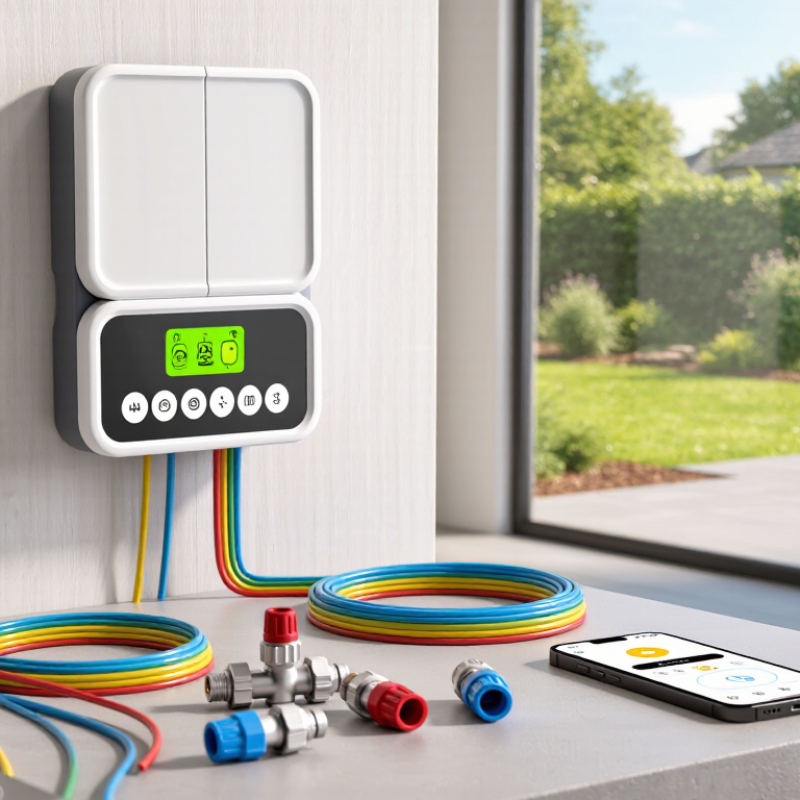
Editorial feature-priority ratings on a 1–5 scale, not measured product scores. Look for flexible zone scheduling and weather-based adjustments first; sensor compatibility and remote controls can help tailor watering to your yard.

How to Evaluate the Best Sprinkler Controllers in 2026

What Is the Best Sprinkler Controller in 2026?

To evaluate a sprinkler controller, look beyond app design and compare how it handles your actual yard. The U.S. EPA WaterSense program estimates that a WaterSense-labeled Irrigation Controller can save an average home nearly 7,600 gallons of water annually. That is a useful benchmark, not a promise for every property. Savings depend on soil, plant needs, rainfall, and existing watering habits. A shady lawn and a sunny vegetable bed may need very different schedules.

Check whether the controller adjusts watering with local weather, supports separate zones, and makes schedules easy to review. During setup, note whether it asks about slope, soil, and sun exposure; vague defaults can lead to runoff or dry patches. Test the rain delay and manual controls, too. They should be simple to find when a storm arrives. I would not judge a system after one week. Seasonal changes reveal more, and weather data can occasionally miss conditions in a small yard.

Tips: Compare water use before and after installation. Check for soggy edges, dry corners, and watering during rain. Keep notes. A simple log can expose mistakes that an attractive dashboard hides.

Choosing a Controller for Your Yard and Irrigation Setup

What Is the Best Sprinkler Controller in 2026?

Choosing a Controller for Your Yard and Irrigation Setup

The best controller depends on how your yard is divided, not how many features appear on its screen. Start by counting irrigation zones and identifying what each serves: sunny lawn, shaded beds, drip lines, or newly planted shrubs. Different plants and soils need different run times. The Irrigation Association’s Landscape Irrigation Best Management Practices recommends grouping areas with similar water needs, which helps prevent one soggy corner while another dries out.

For a small, regular yard, a simple schedule-based controller may be enough. A weather-based model can adjust watering using local conditions, but check that it supports your existing wiring and allows separate zone settings.

EPA WaterSense estimates that a labeled weather-based controller can save an average home nearly 7,600 gallons of water annually.

That is an estimate, not a promise; leaky pipes, poor sprinkler coverage, and incorrect settings can erase the benefit.

Look closely at the practical details.

Can you pause watering after rain? Is the display readable in a dim garage? Can you change a single zone without resetting the whole schedule? A controller may look clever on paper and still frustrate you at the valve box.

Soil type matters, too: sandy ground may need shorter, more frequent cycles than clay. Measure your setup before choosing. A little manual adjustment is still part of the job.

Installation, Connectivity, and Ongoing Maintenance

Installation is where a Smart Sprinkler Controller either earns its place or becomes another troubleshooting project. Before removing the old unit, photograph the wiring and label each zone. Check that the new controller supports your valve type and any existing rain sensor. A dry, sheltered mounting spot helps protect its connections. Turn off power before handling wires. If labels are unclear, pause and ask an irrigation professional; guessing can send water to the wrong area.

Connectivity matters after setup. Check the wireless signal where the controller will sit, not just beside the router. A weak connection may delay schedules or weather updates. Keep manual controls accessible, too. The app is useful, but a phone battery dies. Small oversight, real inconvenience.

Ongoing maintenance should include a quick zone test each season. Walk the yard and look for clogged heads, pooling water, or dry patches near plant beds. Clear debris and adjust spray direction before changing the schedule. Review watering times when temperatures shift or new plants go in. Weather-based adjustments can help, but they are not always right for shaded lawns or unusual soil. I would still inspect the garden; automation can miss what a short walk reveals.

FAQS

What does a sprinkler controller do?

It opens zone valves and sets watering times. One zone might water a sunny lawn while another serves a shaded bed.

How do mechanical, electronic, and smart controllers differ?

Mechanical timers use physical dials and simple schedules. Electronic models offer clearer zone controls. Smart models can connect to Wi-Fi for remote changes.

Can a weather-based controller prevent watering before rain?

It may pause watering using local weather data. Forecasts can be wrong, though. Check the yard after installation.

How do soil moisture sensors help?

They measure moisture near plant roots. Placement matters: a sensor under dense shade may stay damp while exposed soil dries.

Which features should I compare before choosing a controller?

Check zone capacity, seasonal adjustment, rain delay, and manual controls. Also confirm wiring compatibility and what happens when Wi-Fi drops.

How can I check whether each zone is working evenly?

Place buckets around the lawn and run each station. A stopwatch can reveal uneven pressure or blocked nozzles.

Can a controller fix poor sprinkler coverage?

No. It manages the connected system but cannot clear blocked nozzles or correct poor coverage. The hardware needs checking.

Can a controller reduce water use?

It may help when schedules match the plants, soil, and rainfall. Savings vary by yard. I may be overvaluing easy controls, but people are more likely to adjust schedules they understand.

Conclusion

A Sprinkler Controller is the central part of an irrigation system, managing when and how long each zone receives water. In 2026, controllers range from simple timer-based models to smart options that use weather information, soil conditions, or local schedules to adjust watering. When comparing them, consider ease of programming, zone capacity, scheduling flexibility, water-saving features, and whether the system can be controlled remotely. The best choice depends on your yard’s size, plant needs, existing wiring, and irrigation layout—not simply the number of features.

Before choosing, check that the controller is compatible with your valves and power supply, and decide whether Wi-Fi or other connectivity will be useful. Installation may involve replacing an existing unit or setting up a new system, so clear instructions and accessible support can matter. Regularly review schedules, inspect connections, and update settings as seasons and weather change to keep watering reliable and efficient.
Isabella

Isabella

Isabella is a dedicated marketing professional at RAIN LING, where she combines her passion for sustainable innovation with an exceptional understanding of the company’s pioneering irrigation solutions. With a keen eye for detail and a commitment to precision, she ensures that every piece of......
Previous China Top Irrigation Heads Manufacturers for Global Buyers