Leave Your Message
0%

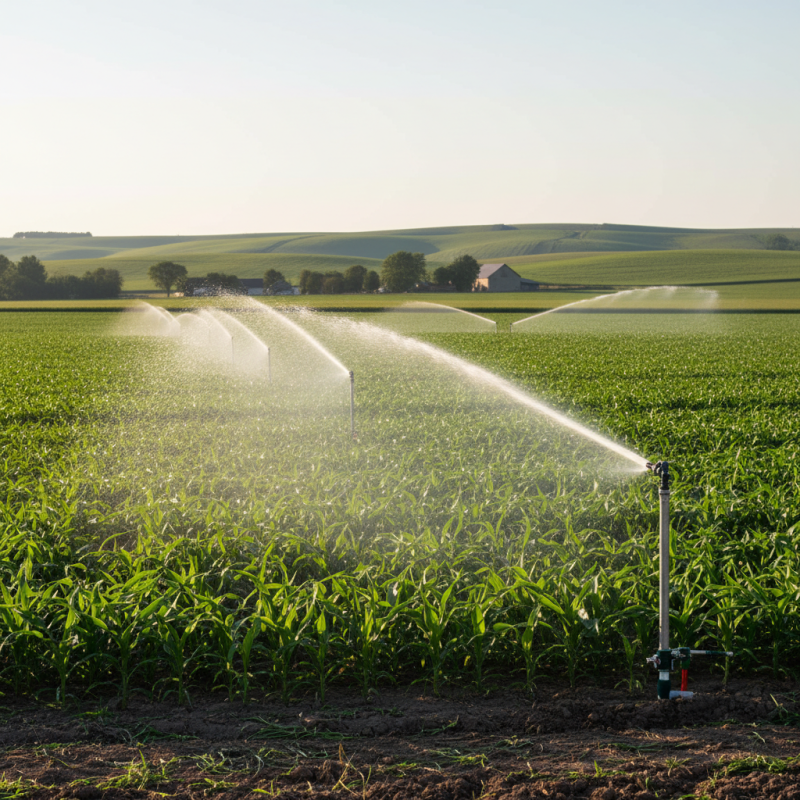
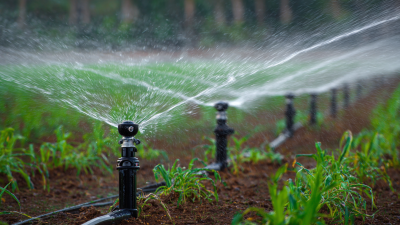
So, as we get closer to 2026, it’s pretty clear that the demand for efficient Irrigation Systems is only going up. I came across a report from the Irrigation Association that said more than 65% of the water used in farming actually comes from irrigation. That just highlights how crucial it is for farmers to pick the right equipment. One piece of technology that’s really making a difference these days is the irrigation rotor sprinkler. These things do a fantastic job of spreading water evenly across large patches—making sure crops get everything they need without wasting too much water.

Dr. Emily Greene, from the Agricultural Engineers Association, put it well when she said, “Irrigation Rotor Sprinklers can really help optimize water use and boost crop yields.” Her point hits home—using smart technology can totally change the game for farmers. But here’s the catch: a lot of farmers still find it pretty confusing to figure out which irrigation solutions are actually the best for their specific needs. The market’s flooded with options, and honestly, it can be kind of overwhelming trying to choose the right one.

That’s why it’s so important to cut through the noise and really understand what to look for. Too often, people overlook vital features like how durable the equipment is or its efficiency ratings. The devices need to perform well and hold up under different conditions—no excuses. Moving into 2026, getting a handle on the ins and outs of irrigation rotor sprinklers is going to be key for making farming more sustainable and efficient.
2026 Top Irrigation Rotor Sprinklers What You Need to Know?

Overview of Irrigation Rotor Sprinklers in 2026

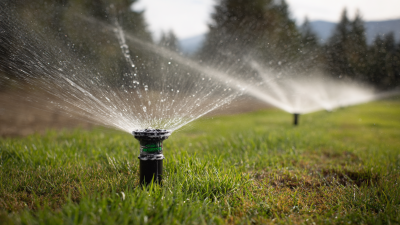
Irrigation rotor sprinklers are crucial for efficient water management in agriculture. In 2026, their design and technology have evolved significantly. According to recent industry reports, the global market for irrigation systems, including rotor sprinklers, is projected to reach $12 billion by 2026. This growth is driven by the increasing need for precision farming and sustainable practices.

Modern rotor sprinklers offer various features. They provide adjustable spray patterns, aiding in water conservation. However, not all models deliver optimal performance. Inefficient systems can lead to water waste and uneven coverage. A recent survey showed that 35% of farms reported issues with inconsistent watering. This highlights a gap in quality control within the industry.

The integration of smart technology is changing the game. Many new models include sensors for monitoring soil moisture. These innovations can reduce water usage by up to 30%. Despite this, some farmers remain hesitant to adopt these technologies due to high initial costs. Addressing this barrier is essential for wider acceptance and benefits.

Types of Rotor Sprinklers and Their Applications

When selecting rotor sprinklers, understanding their types is crucial. Fixed rotor sprinklers deliver water in a consistent pattern. They work well for small, uniform areas. These types may not work effectively in large or uneven spaces. Adjustable rotor sprinklers offer flexibility. Users can change their range and pattern. This makes them suitable for gardens with varying plant types.

Another option is the oscillating rotor. This type moves back and forth, creating a wide spray. It's ideal for watering larger areas while minimizing water waste. However, it may not reach corners well. Select your Irrigation Sprinklers based on the specific layout of your garden. Evaluate the soil type and plant needs before your decision. Consider the local climate as well, since it can affect efficiency too.

Inconsistencies in water distribution can lead to dry spots. Regularly checking the system is vital. Remember, an efficient irrigation system saves both water and effort. Always be open to adjusting based on results. Each choice has strengths and weaknesses. Being thoughtful about them can yield better outcomes.

2026 Top Irrigation Rotor Sprinklers What You Need to Know

Type of Rotor Sprinkler Application Radius (ft) Flow Rate (GPM) Best Use Case
Pattern Rotor Sprinkler Large Lawns 25-50 1.5 - 3.5 Residential Gardens
Gear-Driven Rotor Sprinkler Commercial Landscapes 30-70 2 - 5 Sports Fields
High-Efficiency Rotor Sprinkler Residential and Commercial 20-40 1 - 3 Water-Saving Initiatives
Traveling Sprinkler Large Gardens 40-100 3 - 7 Fruit and Vegetable Fields
Impact Rotor Sprinkler Agricultural Use 30-60 4 - 10 Crop Irrigation

Key Features to Consider When Choosing Rotor Sprinklers

When selecting rotor sprinklers, consider key features that impact their performance. One crucial aspect is the spray radius. Different models offer varying coverage areas. Assess your lawn or garden size to find the best fit. It’s essential to check the adjustable settings. Too much water on one spot can damage plants. Conversely, insufficient coverage can leave areas dry.

Another vital factor is the water flow rate. Look for sprinklers that provide a balanced distribution. High flow rates are great for large spaces. However, low flow rates work better for smaller areas. If you're unsure, consult guides that help match sprinklers to your needs.

Tip: Always measure your space before buying. This simple step helps avoid mistakes. Never rush your decision. Remember to consider soil types as well. Some sprinklers are better for clay soil, while others work well in sandy soil.

Lastly, think about installation ease. Pop Up Irrigation Sprinklers can be more complex than standard models. If you opt for them, ensure clear installation instructions. A smooth installation saves time and money. Pay attention to details. Small oversights can lead to bigger problems later.

Benefits of Using Rotor Sprinklers for Irrigation

2026 Top Irrigation Rotor Sprinklers What You Need to Know?

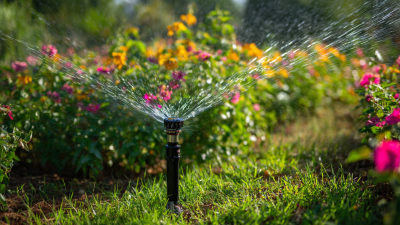
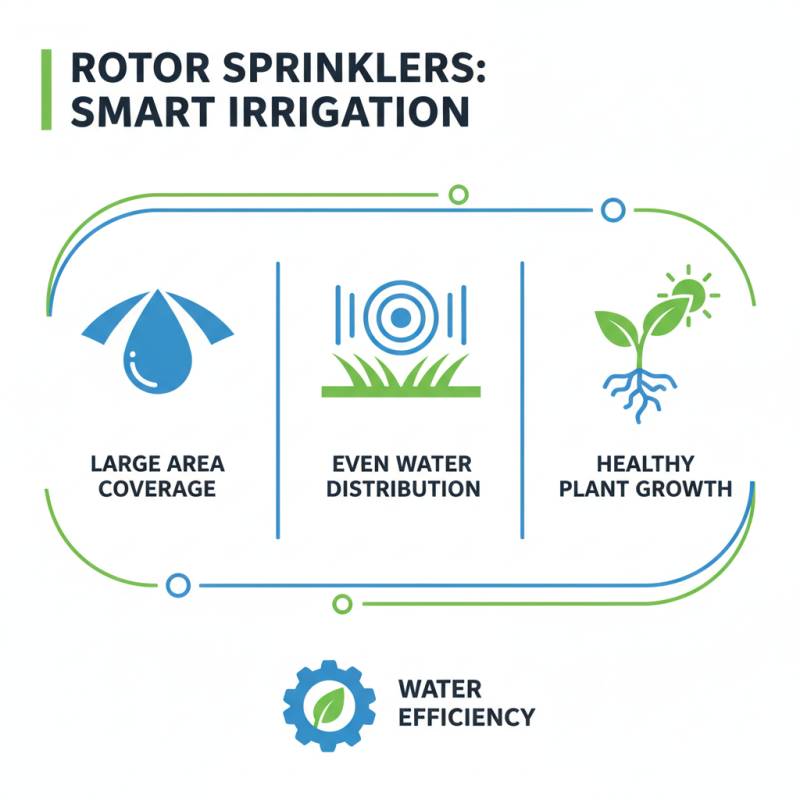
Rotor sprinklers are a popular choice for irrigation systems. They offer several advantages that can enhance water efficiency. One major benefit is their ability to cover large areas. This makes them ideal for lawns, gardens, and agricultural fields. They provide even water distribution, reducing dry spots and ensuring healthy plant growth.

In addition, rotor sprinklers can operate at lower pressures. This feature can save on water bills over time. Users often report better performance during windy conditions, as rotor sprinklers are less likely to blow off target. However, some may find them more complex to install than fixed sprays. It's essential to consider the layout of your irrigation system.

Another point of reflection is maintenance. While rotor sprinklers are durable, they require regular checks. Clogged nozzles or worn-out parts can hinder their performance. Therefore, understanding your rotor sprinkler's specific needs is crucial for optimizing your irrigation system.

Installation Guidelines for Rotor Sprinklers

Installing rotor sprinklers requires careful planning. Proper placement is crucial for optimal efficiency. According to industry reports, about 40% of irrigation systems suffer from improper installation. Poor placement can lead to uneven water distribution and wasted resources.

When installing rotor sprinklers, start by assessing the area. Identify the main zones that need coverage. Measure distances between trees, plants, and other obstacles. Ensure sprinklers are spaced evenly. The recommended spacing is typically 30 to 50 feet depending on the rotor type. Faulty setups can result in dry patches or over-watering.

Be mindful of soil types and plant requirements. Different soils absorb water at various rates. Data suggests that sandy soils may require more frequent watering than clay soils. Adjust sprinkler settings accordingly. Checking the system regularly is vital. Leaks or clogged nozzles can go unnoticed, leading to inefficiencies. Aim for balance in your irrigation approach, but know that achieving perfection often takes time.

2026 Top Irrigation Rotor Sprinklers Performance Comparison

Maintenance Tips for Longevity of Rotor Sprinklers

Proper maintenance of rotor sprinklers is crucial for their longevity. Regular checks can prevent issues. Keep an eye on the nozzles; a clogged nozzle can disrupt the entire system. Ensure the sprinklers are not obstructed by grass or debris. This simple act can save you time and money.

Consider adjusting the watering schedule based on the season. During hot months, increase watering frequency. Conversely, in cooler months, reduce it. Using a timer can help manage this automatically. Also, inspect the rotor seals regularly. Small leaks may not seem significant initially, but they can lead to bigger problems.

When using Commercial Irrigation Sprinklers, be aware of the water pressure. High pressure can damage the system, while too low can reduce efficiency. Test your system pressure periodically. Don't be afraid to experiment with different configurations. Sometimes, trial and error leads to the best results. Adjustments may feel tedious but are necessary for optimal performance.

Environmental Impact of Rotor Sprinklers in Agriculture

2026 Top Irrigation Rotor Sprinklers What You Need to Know?

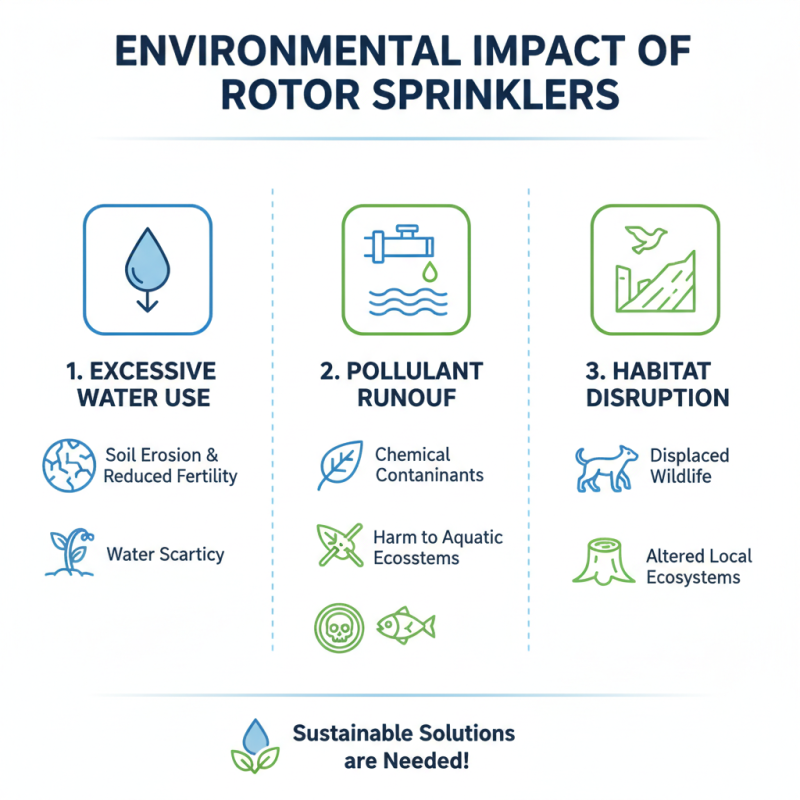
Rotor sprinklers play a vital role in modern agriculture, providing efficient irrigation to crops. However, their environmental impact deserves attention. Excessive water use can lead to soil erosion. This can reduce soil fertility and harm local ecosystems. Pollutants in the water may also affect nearby wildlife.

One surprising issue is water runoff. When too much water is sprayed, it can wash away fertilizers and pesticides. This runoff can contaminate rivers and lakes. Farmers should monitor their irrigation practices closely. Using soil moisture sensors can help manage water usage better and minimize wastage.

Moreover, rotor sprinklers can create uneven water distribution. Some areas may receive too much water, while others get too little. This inconsistency can impact crop yield negatively. It’s essential for farmers to periodically assess their systems. Making adjustments based on environmental feedback is key. The goal should always be sustainable growth.

FAQS

: What is the product designed for?

: The product is intended for user convenience. It aims to enhance everyday tasks.

How should the product be used?

Use it according to the guidelines. Ensure proper settings are adjusted for best results.

Is the product safe to use?

Yes, the product is designed for safety. However, improper use can still cause issues.

What if the product doesn't function as expected?

If it fails, check the manual. There might be simple adjustments needed.

Can this product be used outdoors?

Yes, but consider the environment. Extreme weather can affect its performance.

Are there warranty options?

Warranty details vary. It's important to read the terms carefully before purchase.

How do I clean the product?

Regular cleaning is necessary. Use a soft cloth, avoiding harsh chemicals.

What should I do if I lose the manual?

Losing the manual can be frustrating. Look for a digital copy online for guidance.

Can the product be shared with others?

Sharing is allowed, but differences in usage may arise. Discuss proper handling beforehand.

What if I don't like the product?

If unsatisfied, check return policies. Some conditions need to be met for a refund.

Conclusion

Irrigation Rotor Sprinklers play a crucial role in modern agriculture, providing efficient and effective watering solutions for various crops. In 2026, understanding the different types of rotor sprinklers and their specific applications is essential for optimizing irrigation practices. Key features to consider when selecting these systems include spray patterns, range, and durability, which contribute to their overall effectiveness.

Using rotor sprinklers offers numerous benefits, such as water conservation and improved crop yields. Proper installation guidelines ensure that the systems function at their best, while routine maintenance tips can enhance longevity. Moreover, the environmental impact of irrigation rotor sprinklers is significant, as they promote sustainable agricultural practices by reducing water waste and optimizing resource use. This overview underscores the importance of incorporating advanced irrigation technologies into farming methods to meet the challenges of modern agriculture.
Alexander

Alexander

Alexander is a dedicated marketing professional at RAIN LING, where his expertise in precision irrigation and sustainable innovation shines. With a passion for irrigation excellence, he plays a vital role in redefining industry standards and driving the company's mission to create a smarter,......
Previous How to Find the Best Suppliers for High Quality Sprinkler Clocks