
10 Best Irrigation Valves for Global Buyers
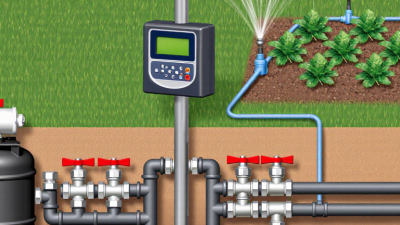
Alright, so you're on the hunt for one of those 10 best irrigation valves — and let's be real, there's a lot riding on this. But before you get lost in specs, ask yourself the most basic question: what exactly does this valve need to control? Because a drip line in a greenhouse with tomatoes? That's a whole different ballgame than a big turf area or some orchard out in the middle of nowhere. You've got flow rate, operating pressure, water quality, power supply, and let's not forget maintenance access — all of them play a part in deciding which one's right. Honestly, there's no single valve that's perfect for every single field. You ever hear about Dr. Michael D. Dukes? He's this researcher who digs into irrigation engineering—basically, how we manage water and make sure it's used efficiently. The big takeaway from his work? Well, here's the gist: "Make your irrigation match what the crops actually need, the kind of soil you're dealing with, and how much water you've got available." I'm paraphrasing that, by the way—not a quote or anything. But that's the heart of it. And honestly, that principle really comes into play when you're scratching your head over solenoid valves vs. hydraulic models, or trying to wrap your mind around smart control systems. Honestly, when you're shopping for an irrigation valve, you want one that opens and closes like clockwork, can handle whatever your water throws at it, and won't be a pain to fix if a part wears out. Before you hand over your cash, double-check the connection sizes, pressure limits, flow capacity, and make sure it plays nice with your controller. And hey, the little stuff matters more than you'd think. You know, a valve irrigation system isn't just about the valve itself—it really depends on good filtration, proper installation, and checking things regularly. If sediment builds up, it can clog the pilot port, and if the power supply is weak, the whole thing might just stop working. For buyers overseas, I'd say don't just look at the price tag; make sure you can actually get spare parts locally and that the technical manuals are clear enough to follow. Otherwise, you might end up with a headache later. You know, when we put together our shortlist, we look at practical stuff—durability, control options, all that. But honestly, specs can only tell you so much; they can't predict every field condition. So testing a valve under real operating pressure? That's just smart. At the end of the day, the right valve is the one that fits your system, works reliably, and doesn't give you headaches when it comes to maintenance.
Read more »