When it comes to pushing sustainable farming forward, getting water efficiency just right is a game-changer. That’s where innovations like our Sprinkler Irrigation Valves come into play, leading the charge in this shift. At Lingxing Irrigation Technology (Ningbo) Co., Ltd., we totally get that precision and dependability are a must for today’s farming. But honestly, we’re not just aiming to meet industry standards—we want to set new ones.
By using the latest tech in our Sprinkler Irrigation Valves, we give farmers the tools to use water smarter and grow bigger yields. Working with us means you're stepping into a future where top-notch irrigation isn’t just talk, but a real thing—helping us create a greener, smarter farm landscape. It’s all about making every drop count and supporting sustainable growth for many generations to come.
Understanding Sprinkler Irrigation Valves and Their Role in Water Efficiency
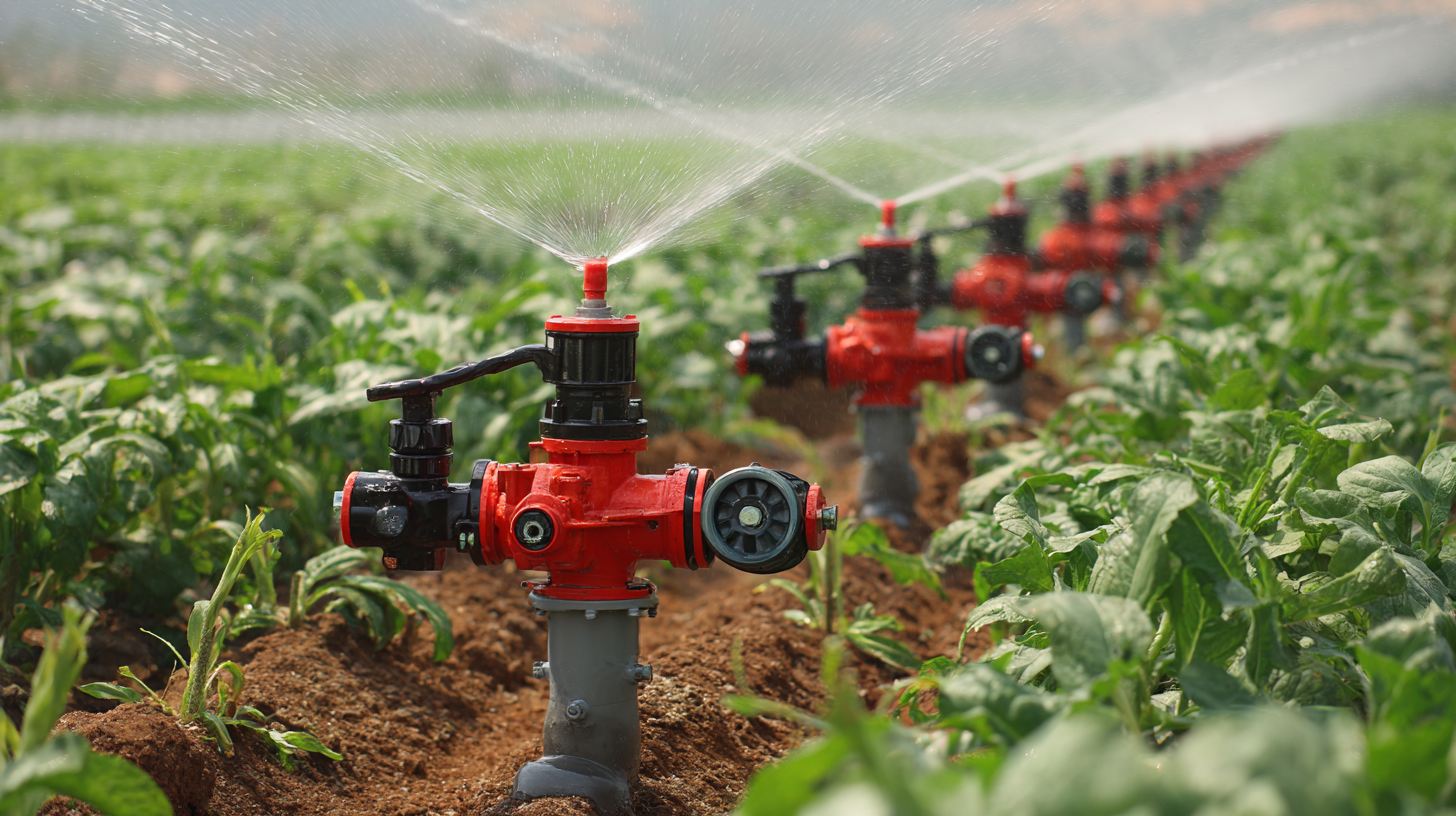
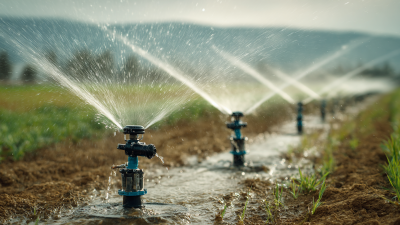
Sprinkler irrigation valves are actually pretty important when it comes to making watering in modern farming more efficient. They give farmers the ability to control how much water gets to each part of their fields, which means less waste and better use of water. The USDA's Economic Research Service mentions that tweaking how we irrigate could boost water efficiency by up to 30%, which not only saves money but also helps haul in better crop yields. It’s really helpful for farmers to understand different types of valves—like automatic versus manual—so they can set up their systems based on what their crops need and the local environment.
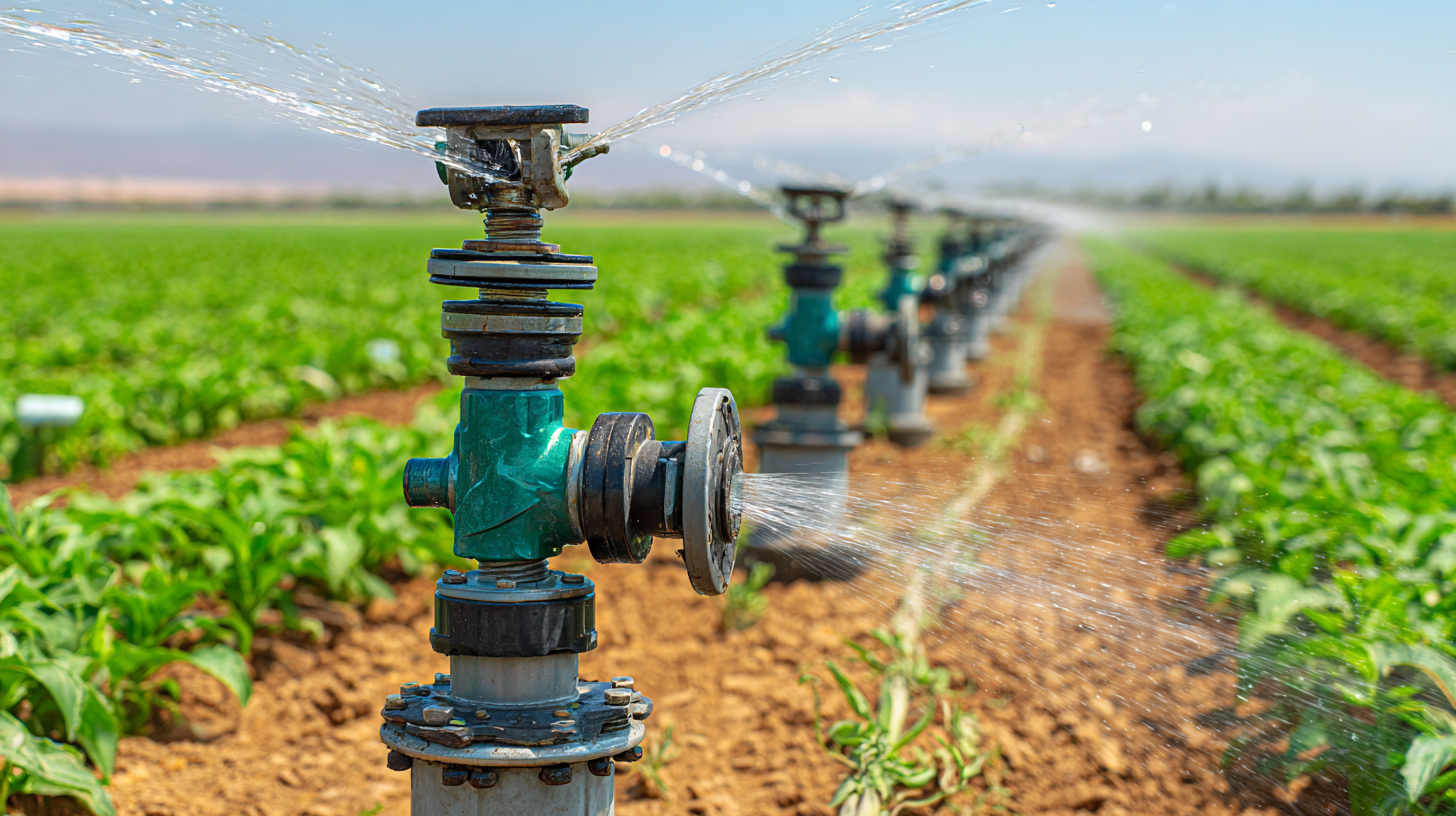
If you’re serious about saving water, a good idea is to set up zones with a smart valve controller. That way, each part of your field gets just the right amount of water, depending on what's growing there. Plus, adding moisture sensors into your irrigation setup can give you real-time info about soil moisture levels. This means your system waters only when needed—no more overwatering. The Irrigation Association reports that using these high-tech options can cut water use by over 50%! So, with the right valves and tech, farmers can really get a handle on conserving this vital resource—while keeping their crops happy and healthy.
The Importance of Water Conservation in Modern Agriculture
Water conservation is more important than ever in modern farming, especially with water shortages becoming a real concern around the world. Did you know that, according to the FAO, about 70%of the world's freshwater goes straight into agriculture? Crazy, right? As our populations keep growing and climate change makes things worse, using smarter and more efficient irrigation methods isn’t just a good idea; it’s pretty much a necessity if we want to keep farming sustainable. Things like advanced Sprinkler Valves can really make a difference — they deliver just the right amount of water right where it’s needed, cutting down on waste and helping crops grow better.
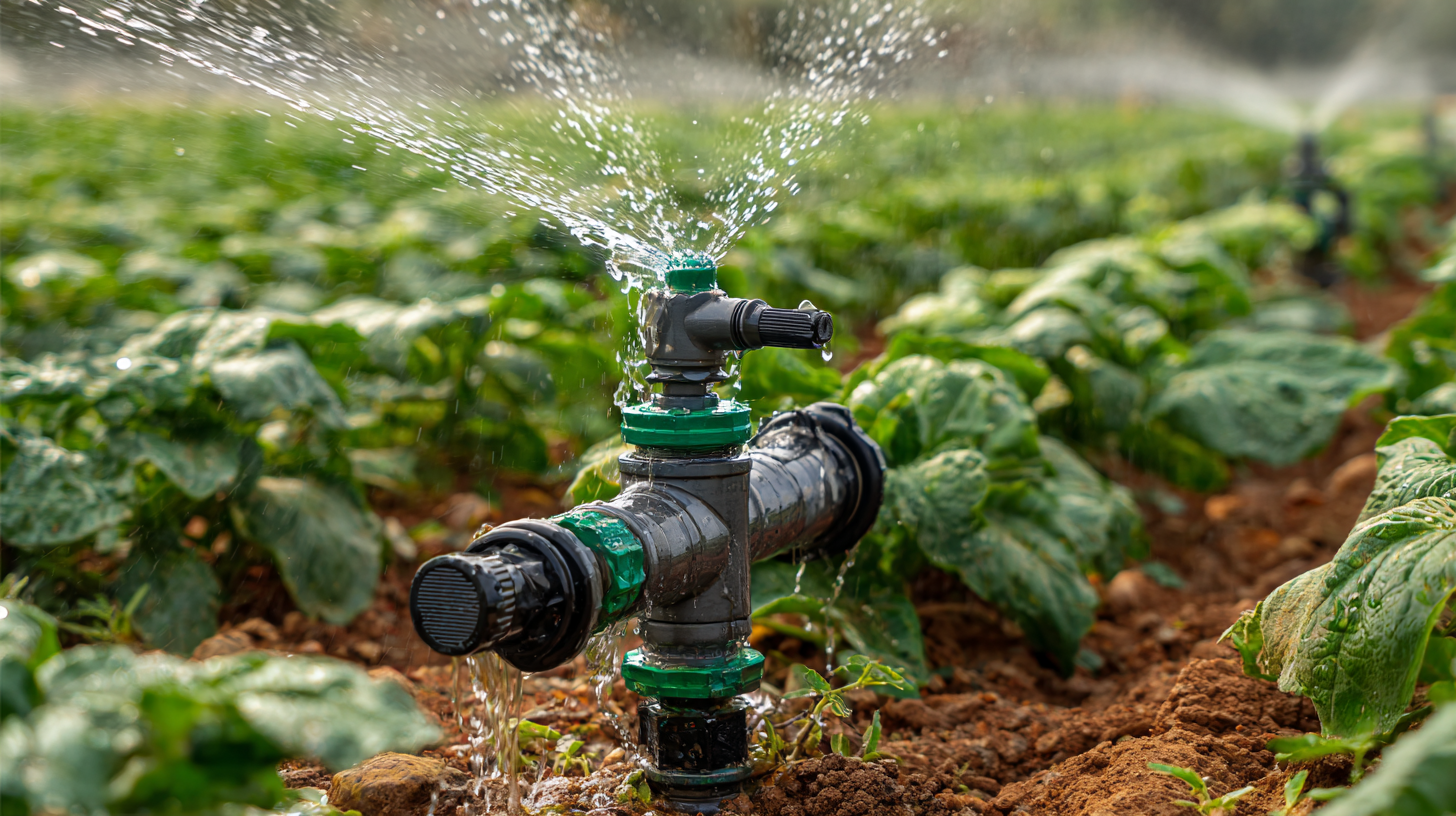
There’s this study from the American Society of Agricultural and Biological Engineersthat shows Smart Irrigation tech can save us up to40% of water. That’s huge! Especially in places where water is super scarce. By using systems that track soil moisture and avoid overwatering, farmers can not only stick to environmental goals but also bump up their yields. Adding these kinds of tech isn’t just about being eco-friendly — it’s a smart move to meet the demands of modern farming, making sure we’re using water wisely and responsibly.
Types of Sprinkler Irrigation Valves and Their Applications
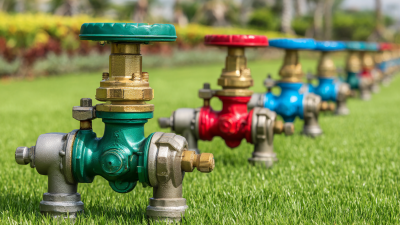
Sprinkler irrigation valves are really key players in modern farming. They help manage water more efficiently and can really boost crop yields. There are a few different kinds out there, each suited for specific needs. The most common ones are manual valves, electric valves, and solenoid valves. Manual valves are pretty straightforward—you have to open or close them by hand, so they’re often a good fit for small-scale farmers who prefer to handle things themselves. On the flip side, electric and solenoid valves can be automated, which means farmers can set up watering schedules in advance—super handy and definitely saves time.
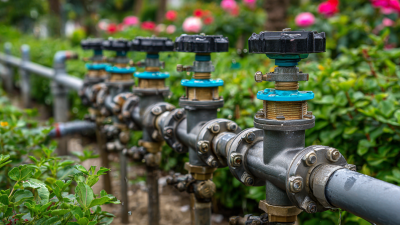
When it comes to their uses, pressure-regulating valves play a big role in keeping water pressure steady. That way, crops don’t get damaged, and water gets distributed evenly. Check valves are also pretty important—they stop water from flowing backwards, preventing contamination issues. And then there are zone control valves, which let farmers water specific areas instead of everything all at once. This way, different crops with different needs can get just the right amount of water. Basically, understanding these types and how they work can help farmers set up smarter Sprinkler Systems that save water and support sustainable farming practices. It’s all about working smarter, not harder!
Techniques for Optimizing Sprinkler Systems for Maximum Efficiency
Sprinkler systems are pretty essential in modern farming these days, especially with water shortages becoming a real concern. Getting these systems dialed in just right is super important if we want to use water wisely and keep agriculture sustainable. Things like timing the watering just right, adjusting schedules based on the weather, and using water-saving tech can really make a difference. Not only does this help conserve water, but it also saves farmers a decent chunk of change.
In places like Gansu, where folks are really digging into how to use water more efficiently, it’s clear that understanding the ins and outs of sprinkler valves can have a huge impact. When farmers start using smart monitoring tools and advanced irrigation tech, they can better match water use to what their crops actually need. That way, they can boost yields and make their farms more resilient. Overall, bringing these strategies together really highlights how crucial water security is for feeding the world—and doing it sustainably, even with all the environmental challenges we face.
Mastering Water Efficiency with Sprinkler Irrigation Valves for Modern Agriculture
| Dimension | Data |
| Optimal Pressure (psi) | 30 - 50 |
| Water Application Rate (in/hr) | 0.5 - 1.5 |
| Uniformity Coefficient (%) | 85 - 95 |
| System Efficiency (%) | 75 - 90 |
| Typical Operating Temperature (°C) | 10 - 35 |
| Irrigation Frequency (days) | 7 - 10 |
| Drip Irrigation Coverage (%) | 50 - 100 |
| Investment in Automation (%) | 20 - 40 |
Innovations in Smart Irrigation Technology for Sustainable Farming
You know, innovations in smart irrigation are really shaking up the way we think about sustainable farming. They’re making a huge difference when it comes to saving water in agriculture. A recent report by the Food and Agriculture Organization (FAO) points out that about 70% of the world’s freshwater gets used for irrigation — which is a massive chunk, and honestly, it highlights why we need smarter, more efficient systems. Enter smart irrigation tech, like these fancy new sprinkler valves, which are kinda game-changers. They let farmers fine-tune water usage, cutting down on waste, and they do it by responding to real-time info — stuff like soil moisture and weather conditions. Basically, they deliver just the right amount of water, no more, no less, making sure crops get what they need without overdoing it.
Plus, there's this cool trend where more farms are jumping on the Internet of Things bandwagon. A report from the Research Institute of Organic Agriculture even shows that farms using these smart systems can cut their water use by up to 30%, all while boosting crop yields by around 20%. That’s pretty impressive, right? Not only does this save water, but it also helps farmers better handle the crazy weather patterns brought on by climate change. All in all, smart irrigation is really paving the way for farming that's not just productive but also more sustainable, so resources are used wisely and with minimal waste — it’s like the future of farming, and it’s looking pretty bright.
Best Practices for Maintenance and Troubleshooting of Sprinkler Valves
Keeping your sprinkler irrigation valves in good shape is a pretty big deal these days, especially in modern farming where water efficiency is key. It's a good idea to make inspections a regular part of your maintenance routine—trust me, catching small issues early can save you a lot of headaches later on. Just take a quick peek for any signs of wear or leaks; even tiny leaks can waste a lot of water and mess with your system’s performance.
Oh, and don’t forget to clean those valve filters regularly—that’s a simple step that helps stop clogs before they become a problem. Also, replacing damaged seals or O-rings is a must; it keeps everything sealed tight and prevents leaks. While you're at it, double-check those electrical connections too—loose wires can really throw a wrench into how your valves work.
When you’re troubleshooting, it's normal to run into stuff like valves sticking or pressure issues. Usually, a stuck valve comes down to debris buildup or a mechanical snag. In that case, go ahead and take it apart for a good cleaning and inspection. If pressure is low or wonky, make sure your water source and system design are up to snuff—they might need a little adjustment to get everything flowing just right. And hey, it’s always a smart idea to keep notes on repairs or tweaks you make so you can stay organized for the future.
Efficient Fluid Management: The Benefits and Features of Auto Drain Valves for Modern Systems
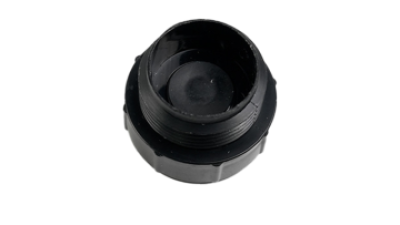
Efficient fluid management is essential for modern irrigation systems, and auto drain valves stand out as vital components that enhance system reliability and longevity. These valves are designed to automatically release accumulated water from irrigation lines when the pressure drops below a preset level. This automatic system protection is crucial in maintaining optimal pressure, preventing potential issues caused by excess water buildup.
By eliminating standing water, auto drain valves play a significant role in preventing pipe damage. With the ability to operate effectively under conditions where water accumulation might lead to pipe bursts or freeze damage, these valves safeguard the integrity of the entire irrigation network. Specifically, they open at a pressure of 0.2 bar, ensuring immediate drainage when needed, and close at 0.4 bar during normal operation, maintaining a consistent flow without requiring user intervention.
Moreover, the maintenance-free design of these valves is a noteworthy feature. Constructed with self-cleaning structures and corrosion-resistant materials, they provide reliable operation and a long service life. This efficiency not only reduces the need for frequent maintenance but also enhances the overall performance of modern irrigation systems, making auto drain valves an invaluable addition for those seeking to optimize fluid management effectively.
FAQS
: Water conservation is crucial because agriculture accounts for approximately 70% of freshwater withdrawals worldwide. With growing global water scarcity due to rising populations and climate change, efficient irrigation practices are necessary for sustainable farming.
Advanced sprinkler irrigation valves can deliver precise amounts of water directly to plants, reducing wastage and improving crop yields, which is vital in the context of water scarcity.
Smart irrigation technologies can lead to water savings of up to 40%, especially in regions where water resources are under severe stress.
The main types include manual valves, electric valves, and solenoid valves. Manual valves are operated by hand, while electric and solenoid valves offer automated control for irrigation scheduling.
Pressure-regulating valves maintain consistent water pressure to prevent crop damage and ensure better water distribution within irrigation systems.
Farmers can use zone control valves that allow for targeted irrigation of specific areas, tailoring water usage to the varying needs of different crops.
Regular inspections for wear or leaks, cleaning the valve filters, and replacing damaged seals or O-rings are key maintenance practices to maintain efficiency.
Common issues include valve sticking due to debris buildup or mechanical failure and insufficient pressure that may demand adjustments in the system design.
To address a stuck valve, farmers should disassemble it for thorough cleaning and inspection to remove any debris causing the issue.
Documenting repairs or changes is important for future reference, helping farmers track system performance and maintenance history for improved management.
Conclusion
Getting a handle on water efficiency is pretty crucial these days if you’re into modern farming, and honestly, the Sprinkler Irrigation Valve is a big part of making that happen. Once you get how these valves work and why they matter, you’ll see how much you can improve water conservation — it’s pretty eye-opening. There are different kinds of sprinkler valves out there, each suited to different crops and setups, so tweaking and optimizing them really pays off when it comes to efficiency.
Lately, smart irrigation tech has been changing the game. It’s amazing how these new tools let farmers control and monitor water use with incredible precision, which is a huge step toward more sustainable farming. And of course, keeping these valves in tip-top shape — regular maintenance and troubleshooting — is key to making sure they work smoothly.
At Lingxing Irrigation Technology (Ningbo) Co., Ltd., we’re all about offering our partners reliable, innovative solutions for precision irrigation. Our goal? To help build a smarter, greener future for agriculture — because, honestly, every drop counts, right?