Picking the right Irrigation Headsis such an important step if you want a healthy, thriving garden. Did you know that, according to the Irrigation Association, more than 40% of the water used in residential areas goes straight to watering lawns and plants? That really shows how vital a well-designed Irrigation System is, especially if we want to save water. John Smith, a well-known expert in irrigation tech, once said, "Getting the right Irrigation Heads can make a big difference—not just for your plants’ health but also for how efficiently you’re using water."
Understanding Different Types of Irrigation Heads for Effective Watering
Choosing the right irrigation heads is crucial for your garden's health. Different types serve various functions, impacting water distribution. Sprinkler Heads, drip emitters, and soaker hoses are popular options.
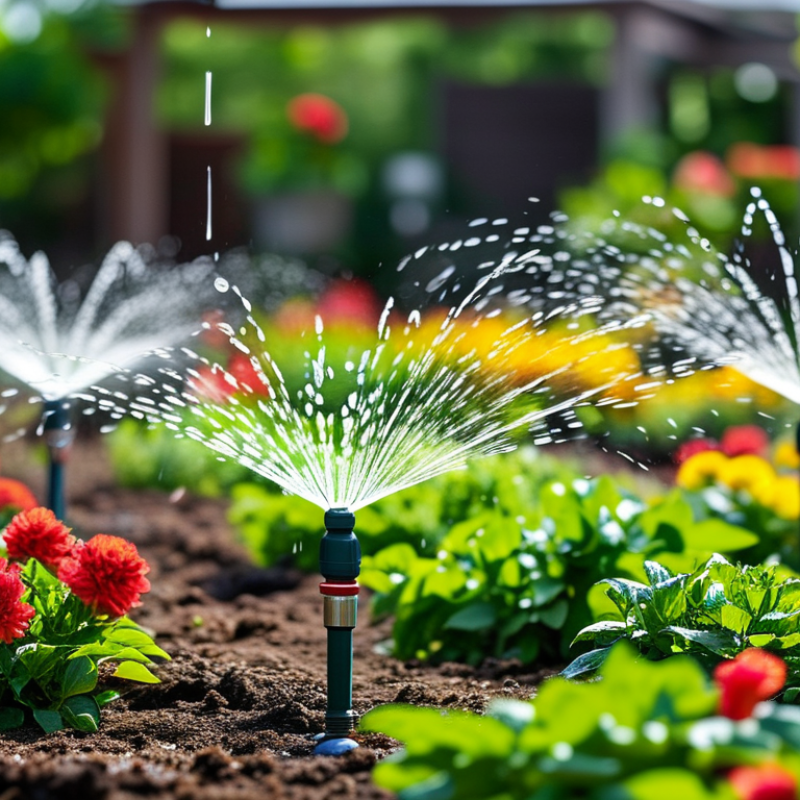
Sprinkler heads, for instance, come in rotating or stationary varieties. Rotating heads spread water widely, but they might not target all plants effectively. Stationary heads are simpler, focusing on small areas. Adjusting their positions can improve watering efficiency.
Drip emitters provide a slow, steady flow of water directly to plant roots. This helps conserve water, yet they may require regular maintenance. Clogging can be a persistent problem, affecting their performance.
**Tips:** Check your irrigation system for leaks or blockages. Regularly clean your drip emitters to ensure optimal flow. Monitor your garden’s moisture levels, adjusting heads as needed to avoid overwatering.
Types of Irrigation Heads and Their Efficiency
This chart illustrates the water efficiency of different types of irrigation heads commonly used in gardening. Drip irrigation remains the most effective, while sprinkler heads provide moderate efficiency.
Evaluating the Flow Rate Requirements for Your Garden Size
When determining the right irrigation heads for your landscape, flow rate is crucial. According to the Irrigation Association, a garden’s flow rate directly affects how well plants receive water. For a small garden, a flow rate of 2-3 gallons per minute (GPM) is often sufficient. However, larger gardens may need 10 GPM or more.
To achieve optimal irrigation, evaluate your garden’s size first. Measure the total area and identify the types of plants being grown. Each plant may have different water needs. Research indicates that overwatering or underwatering can significantly impact plant health. Monitoring soil moisture can help fine-tune flow rates.
Adjusting your irrigation heads can also aid in achieving the desired flow. Selecting heads that can deliver an appropriate radius and spray pattern is essential. A common mistake is not considering head types that match specific garden zones. Each zone may require different heads for better efficiency. Understanding this can help prevent water wastage and ensure even coverage.
Assessing Soil Type and Plant Watering Needs in Head Selection
When selecting irrigation heads for your garden, understanding your soil type is crucial. Clay soils hold water well but can cause drainage issues. Sandy soils drain quickly and may require more frequent watering. Loamy soils, being a mixture of both, generally have better water retention. Analyzing your soil type will help determine the best Irrigation Spray Heads for your specific needs.
Consider the watering requirements of your plants too. Succulents and cacti need minimal moisture, while vegetables and flowers may require more regular watering. Combine this information with your soil analysis to make informed decisions. Using adjustable Irrigation Spray Heads can be beneficial in gardens with mixed plant types. They allow tailored watering, adjusting based on plant needs.
Sometimes, even the best-laid plans hit snags. You may find that certain plants are not thriving despite your efforts. Reflect on their placement and soil compatibility. It’s vital to monitor and adapt. Experimentation could lead you to a more effective irrigation strategy for your garden.
Comparing Fixed and Adjustable Irrigation Head Options
When choosing irrigation heads, understanding fixed versus adjustable options is crucial. Fixed irrigation heads deliver water in a predetermined pattern. They are ideal for gardens with consistent shapes. However, their rigid nature may fall short in flexible garden layouts. A report from the Irrigation Association shows that fixed heads can waste up to 30% more water in irregular areas.
On the other hand, adjustable irrigation heads offer versatility. They allow gardeners to modify the spray distance and angle to suit unique garden designs. According to a study by the American Society of Irrigation Consultants, adjustable heads can reduce water waste by up to 20%. This adaptability is beneficial for plants with varying water needs. However, they may require more frequent adjustments and upkeep, as settings can shift over time.
Choosing between these two Irrigation Heads Types involves considering garden layout and plant needs. A well-planned irrigation system maximizes efficiency and minimizes waste. Yet, gardeners must remember that regular monitoring and adjustments are essential for optimal performance. This balance between convenience and precision could be challenging but is necessary for successful irrigation management.
How to Choose the Best Irrigation Heads for Your Garden? - Comparing Fixed and Adjustable Irrigation Head Options
| Feature | Fixed Irrigation Heads | Adjustable Irrigation Heads |
| Water Distribution | Fixed pattern, uniform coverage | Customizable coverage area |
| Installation Difficulty | Easy to install | More complex installation |
| Adjustability | Not adjustable | Adjustable spray distance and angle |
| Best Use Case | Lawns and uniform gardens | Garden beds with varying plant needs |
| Cost | Generally lower cost | Tends to be more expensive |
| Maintenance | Lower maintenance | Requires more upkeep |
| Durability | Long lasting but less versatile | Durable and flexible |
Analyzing the Benefits of Drip Irrigation vs. Sprinkler Systems
When choosing between drip irrigation and sprinkler systems, it's important to understand their unique benefits. Drip irrigation delivers water directly to plant roots. This targeted approach reduces evaporation and runoff. It increases efficiency, especially for gardens with diverse plant types. So, you can nourish each plant effectively.
On the other hand, sprinkler systems cover larger areas. They mimic rainfall, making them great for grass lawns and flower beds. However, they can waste water through evaporation or overspray. Choosing the right system depends on your garden size and plant needs. Consider how often each system requires maintenance, too. There are pros and cons to both options.
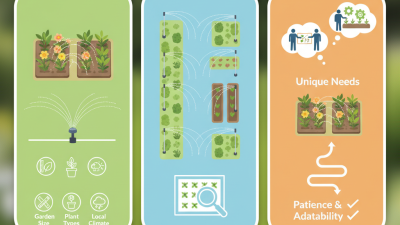
Think about your local climate. High heat may favor drip systems, while cooler areas might work well with sprinklers. Your budget is also key. Remember, the best choice may not be the easiest one. Reflect on your unique gardening goals before deciding. Making an informed choice leads to a healthier garden.
Considering Seasonal Climate Variations in Irrigation Planning
When planning your garden’s irrigation, it's vital to consider the seasonal climate variations. Each season brings unique challenges that affect water needs. In spring, plants awaken and require more moisture. The use of appropriate Irrigation Rotor Heads can accommodate these varying demands. Adjusting their placement and timing will help ensure your plants thrive.
Summer poses a greater challenge due to heat and evaporation. Plants often lose moisture quickly. This is where smart irrigation strategies become critical. Using rotary heads that deliver coverage evenly can minimize wastage. However, remembering to monitor the weather and adjust your irrigation schedule can be tougher than it seems. Sometimes, forgetting to check soil moisture can lead to overwatering or drought stress.
As fall approaches, plants begin to slow down. Their water needs decrease significantly. At this stage, you may find it beneficial to modify the current irrigation setup. This might mean reducing the frequency of watering or choosing different settings on your irrigation rotor heads. Adapting to these changing conditions requires careful observation and a willingness to experiment. Gardening is about learning and improving; even small missteps can teach valuable lessons in irrigation planning.
Reviewing Maintenance and Longevity of Various Irrigation Heads
Choosing the right irrigation heads for your garden involves understanding their maintenance and longevity. Regular upkeep can prolong the life and efficiency of various types. Proper cleaning, for example, prevents clogs caused by dirt and mineral buildup. Studies show that keeping Sprinkler Irrigation Heads free from obstructions enhances their performance.
Longevity varies across different models. Some designs hold up better in extreme weather conditions. Research indicates that UV resistance is vital for outdoor longevity. Gardeners should consider seasonal impacts as well. Certain heads may wear quickly in harsh sunlight or freezing temperatures. Observing wear and tear during routine checks can help in timely replacements.
Investing in quality materials often pays off in the long run. However, this doesn't mean they don’t require attention. One flaw may be that even high-quality heads can fail if not maintained correctly. Understanding the balance between performance and maintenance can lead to smarter choices. Reflecting on your garden’s specific needs is essential in making informed decisions.
Maximizing Efficiency in Modern Agriculture: Insights from Industry Reports on Modular Station Irrigation Controllers
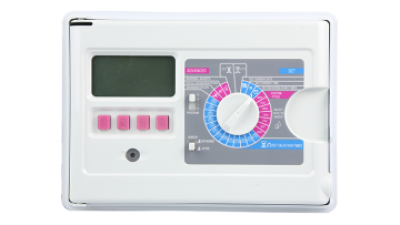
In the quest to maximize efficiency in modern agriculture, irrigation systems have become a focal point of innovation. Modular station irrigation controllers offer a flexible solution for both residential and commercial applications. With two models available, featuring either 13 or 16 stations, these controllers cater to various irrigation needs, allowing users to select the best fit for their specific environments.
The design of these controllers is based on a versatile 4-station base module, which can be easily expanded with internal modules. This scalability ensures that whether for expansive agricultural fields or smaller residential gardens, there is an optimal setup available. The ability to customize the number of stations not only enhances efficiency but also supports precise water distribution based on individual plant and crop requirements, ultimately leading to better resource management.
In addition to their adaptability for indoor and outdoor installations, these controllers integrate advanced technology that can significantly reduce water waste and improve overall system performance. By adopting such modular solutions, farmers and landowners can leverage these insights from industry reports to enhance water management strategies, contributing to more sustainable agricultural practices in today’s changing environmental landscape.
FAQS
: A flow rate of 2-3 gallons per minute (GPM) is often sufficient for small gardens.
Measure the garden's area and identify the types of plants, as each has different water needs.
Many gardeners neglect to choose heads that match the specific garden zones.
Fixed heads can waste up to 30% more water in irregularly shaped areas.
They allow for modifications in spray distance and angle, reducing water waste by up to 20%.
They may require more frequent adjustments, as settings can shift over time.
Drip irrigation delivers water directly to roots, while sprinklers cover larger areas like lawns.
Consider garden size, plant needs, local climate, and budget before making a choice.
Drip systems reduce evaporation losses, making them more efficient in hot conditions.
Yes, thoughtful consideration leads to better choices for a healthier garden.
Conclusion
When selecting the best irrigation heads for your garden, it is essential to understand the various types available and how they affect water efficiency. Different irrigation heads cater to specific needs based on factors such as garden size, flow rate requirements, and the type of soil. Additionally, assessing the unique watering needs of your plants is crucial for optimal growth.
Moreover, gardeners can choose between fixed and adjustable irrigation heads, each offering distinct advantages. Drip irrigation systems are often compared to sprinkler systems, with each designed to meet different gardening styles and climate conditions. It's also important to consider seasonal variations and the maintenance needs of various irrigation heads to ensure longevity and effective watering throughout the gardening year. By carefully evaluating these factors, you can make an informed decision that will enhance your garden’s health and productivity.