Having an efficient Irrigation System is pretty much essential for today’s farming. Did you know that, according to the UN’s Food and Agriculture Organization, about 70% of the world’s freshwater ends up being used for irrigation? It’s actually pretty eye-opening. Knowing the ins and outs ofIrrigation System Parts can really make a big difference — not just in how much crops yield but also in how wisely resources are used.
Farmers today are really facing some tough challenges like water shortages and worries about the environment. Picking the right components for your system isn’t just a technical thing — it can seriously boost efficiency. Key parts like pumps, valves, and emitters each play their part in making sure water gets where it needs to go. Even a tiny mistake or a small flaw in any of these parts can lead to a lot of wasted water, which is obviously not ideal.
But here’s the thing — a lot of farmers tend to overlook regular maintenance. Skipping checks or ignoring wear and tear can really cut down the lifespan of their irrigation setups. Staying on top of inspections, repairs, or replacements keeps things running smoothly and sustainably. Using high-quality products definitely helps with reliability and makes sure the system meets real farming needs. By learning more about those Irrigation Parts, farmers can adopt better practices — not just now, but for generations to come. It’s all about passing on good habits, right?
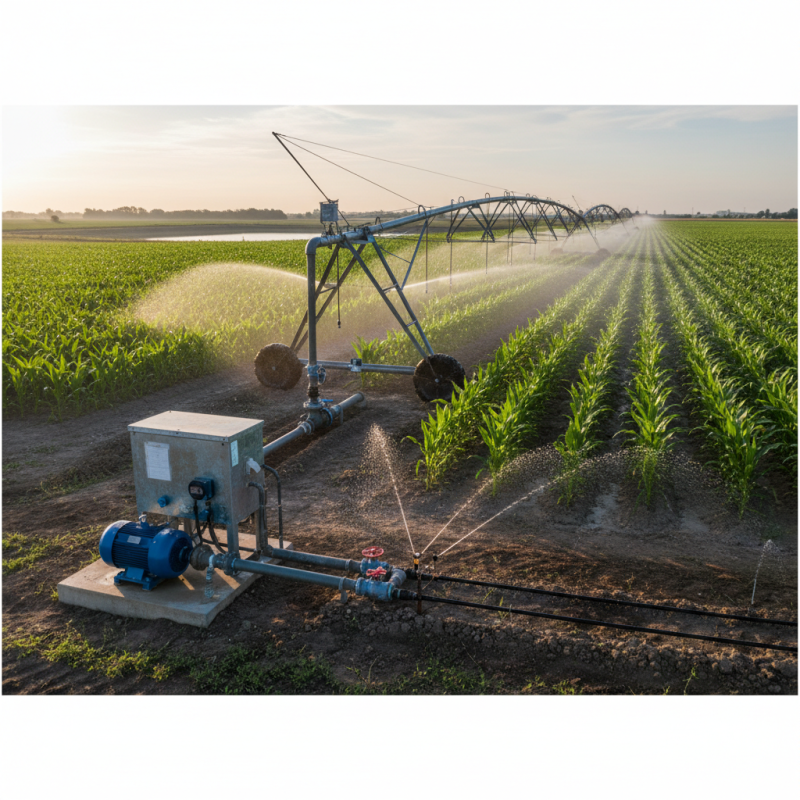
Understanding the Importance of Irrigation Systems in Agriculture
Irrigation systems play a crucial role in modern agriculture. They ensure crops receive the right amount of water. This is vital for healthy growth and high yields. Without proper irrigation, even the best soil can become barren during dry spells. Farmers need to understand how these systems work to make informed decisions.
Irrigation Sprinkler System Parts are essential for the effective operation of these systems. Each component has a specific task, from distributing water evenly to controlling flow rates. Proper maintenance of these parts can prevent leaks and system failures. Farmers often overlook minor damages, which can lead to significant losses over time.
Understanding how to manage these components involves experience and knowledge. Mistakes can happen, such as incorrect installations or poor scheduling. Regular checks can help identify issues before they escalate. By appreciating these factors, farmers can make irrigation systems more efficient and sustainable. Investing time in learning about Irrigation System Parts can yield long-term benefits.
Key Components of a Functional Irrigation System
An effective irrigation system consists of several key components. These parts work together to deliver water efficiently. A reliable water source is essential. It can be a well, lake, or municipal supply. The type of source determines system design.
Pipes and tubing are crucial for transporting water. They come in various materials, affecting durability and cost. Additionally, valves control water flow. Different types of valves can manage pressure and shut off water as needed. Filters are often required to remove debris, keeping the system clean.
Sprinklers and emitters distribute water over the intended area. They vary in size and spray patterns, allowing customization. Lastly, timers and controllers automate watering schedules. These can enhance efficiency and conserve water. Many users find it challenging to balance automation with manual oversight. Understanding each component is vital for a functional system.
Top 10 Essential Irrigation System Parts You Need to Know
Pipes: The Backbone of Irrigation Systems Explained
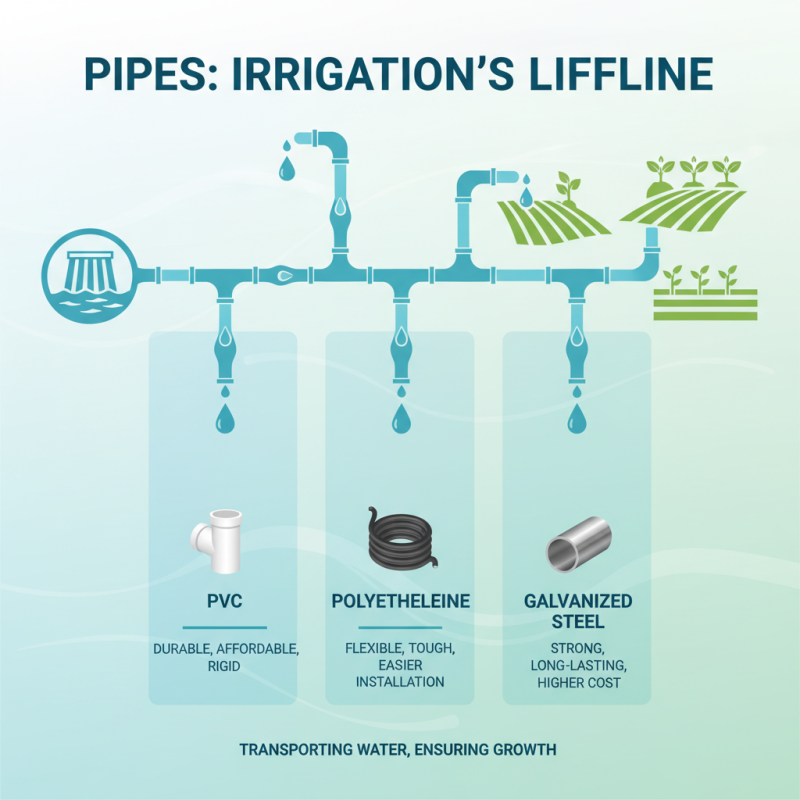
Pipes serve as the backbone of any irrigation system. They transport water from the source to fields and gardens, ensuring crops receive the right amount of moisture. It's crucial to choose the right material for these pipes. Common options include PVC, polyethylene, and galvanized steel. Each has its pros and cons, impacting durability, flexibility, and cost.
When installing irrigation pipes, proper alignment matters. Misaligned pipes can cause leaks and reduce efficiency. Regular checks are essential to spot any wear or cracks. A simple inspection can save time and resources in the long run. Not monitoring these signs could lead to larger issues, like water wastage and crop damage.
Choosing the right diameter for pipes is also essential. Too small can restrict flow, while too large may lead to unnecessary costs. Understanding the flow rate is a critical consideration. Consideration of soil type and plant needs adds another layer of complexity. An irrigation expert can help customize a solution for your specific situation. Balancing cost and efficiency often requires ongoing adjustments and learning, making it an evolving process.
Valves: Managing Water Flow for Efficient Irrigation
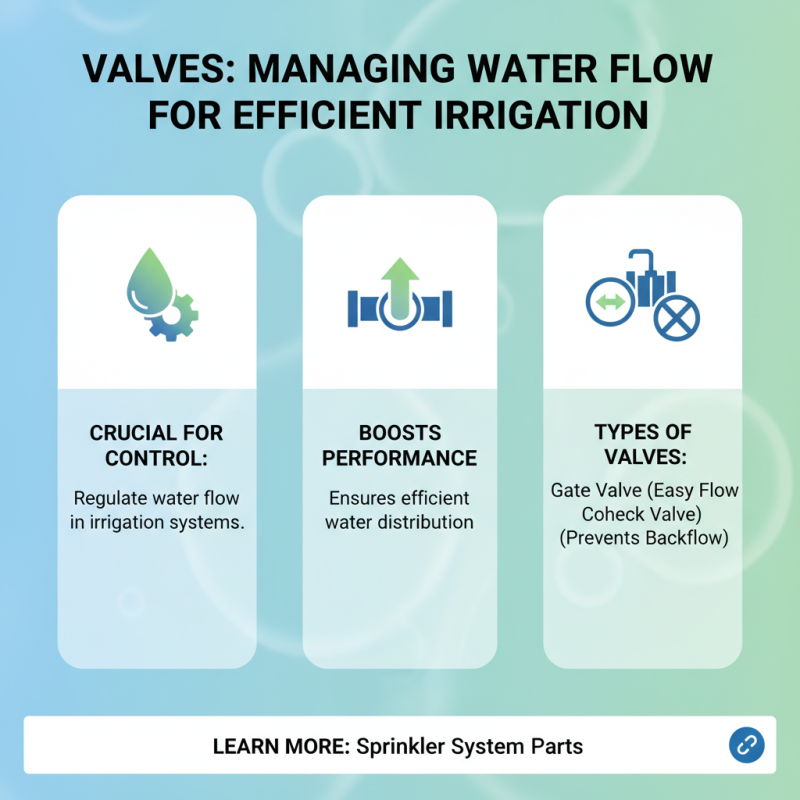
Valves are crucial in any irrigation system. They control the water flow, ensuring efficient irrigation. Understanding how these components work can enhance your system's performance significantly. Different types of valves serve unique purposes. For example, a gate valve is excellent for easy flow control, while a check valve prevents backflow. Each design contributes to the overall efficiency of the Sprinkler System Parts.
When planning an irrigation setup, consider the layout and valve placement. Misplaced valves can lead to uneven water distribution. This may result in some areas being overwatered while others remain dry. Such inefficiencies can waste water and affect plant health. Assessing your garden's needs is essential. You might need more valves than you initially thought for optimal flow management.
Monitoring your valves regularly can highlight areas for improvement. Leaky or faulty valves compromise the entire system. Addressing these issues promptly will save water and reduce costs. Investing time in understanding irrigation components pays off with a thriving landscape. Efficiently managing water flow through proper valve selection leads to better results in maintaining your plants.
Emitters and Sprinklers: The Final Delivery Mechanisms
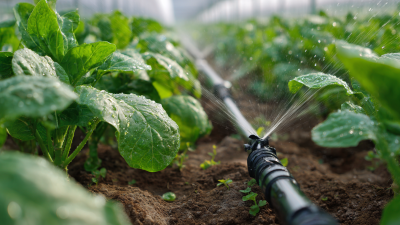
Emitters and sprinklers play a pivotal role in efficient irrigation systems. These components are the final delivery mechanisms for water, ensuring that plants receive the moisture they need. Emitters dispense water slowly and precisely, making them ideal for drip irrigation systems. They minimize evaporation and water runoff, promoting conservation.
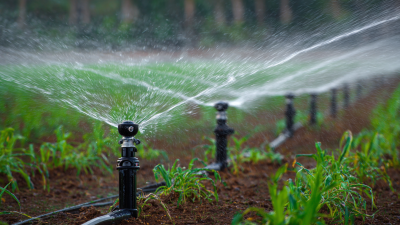
Sprinklers, on the other hand, distribute water over a larger surface area. They are versatile and can adapt to various landscapes. While adjustable heads are common, it’s important to consider the irrigation needs of different plants. Some areas may receive too much water while others remain dry. Careful planning is essential.
Both emitters and sprinklers must be regularly maintained. Clogged emitters can lead to uneven watering, while malfunctioning sprinklers may waste water. Ensuring these systems work harmoniously requires ongoing attention. Gardeners often overlook these details, creating inefficiencies. Evaluating your system's performance can enhance plant health and water usage.
Filters: Ensuring Clean Water for Optimal Performance
Filters play a crucial role in any irrigation system, particularly in maintaining a Lawn Sprinkler System. Clean water is essential for optimal performance and plant health. According to a 2021 report by the Irrigation Association, up to 30% of irrigation system failures can be traced back to water quality issues. This highlights the importance of effective filtration.
Installing filters before water enters the mainline prevents debris and contaminants from clogging the system. Without proper filtration, sediments can lead to damaged nozzles and reduced pressure. The need for regular maintenance becomes evident; neglected filters can result in operational inefficiencies. The
American Society of Agricultural and Biological Engineers suggests that even small particles can significantly affect water flow rates, stressing the necessity of high-quality filters.
Proper filtration not only protects the machinery but also ensures healthy growth for the plants. A study showed that
filtered irrigation water leads to a 15% increase in crop yield compared to unfiltered water. However, many users overlook this aspect. Investing in reliable filtration solutions is often an afterthought. By prioritizing filters, you can enhance your
Lawn Sprinkler System’s performance and longevity.
Timers and Controllers: Automating Your Irrigation Schedule
Automating your irrigation schedule can significantly enhance efficiency and save water. Timers and controllers are vital Irrigation Parts that allow you to manage water usage with precision and ease. According to industry studies, automated systems can reduce water waste by up to 20%, a crucial factor in sustainable farming practices. This means more water available for crops and less runoff that could pollute local waterways.
Programmable timers enable users to set specific watering times. The ability to program different zones ensures that various plants receive the right amount of water. For example, a flower garden might need more frequent watering than a drought-resistant landscape. However, improper programming can lead to overwatering or underwatering, highlighting the importance of proper setup and ongoing monitoring.
Smart controllers take this a step further by utilizing weather data. These devices adjust watering schedules based on rainfall and temperature. Research shows that these advanced tools can save up to 50% of water compared to traditional methods. Yet, users often overlook the necessity of regularly updating software and sensors, which can hinder performance. Consistent checking and understanding of how these irrigation parts function is crucial to maintaining an effective irrigation system.
Maximizing Garden Efficiency: A Comprehensive Guide to the 8-Station Irrigation Controller
In modern gardening and agriculture, efficiency is key to maximizing output and maintaining healthy plants. The 8-station irrigation controllers are designed specifically to cater to medium and small-scale irrigation systems, making them an ideal solution for a variety of applications such as gardens, orchards, greenhouses, and landscape irrigation. With two models available—one using AC power and the other DC—gardeners can select a controller that best fits their specific needs and power availability.
These automatic controllers streamline the irrigation process by allowing users to program watering schedules that suit the unique requirements of their plants. This not only saves time and labor but also ensures consistent watering, which is crucial for plant health. With the capability to manage up to eight different zones, users can adapt their irrigation strategies for various plant types and conditions, further enhancing garden efficiency. By integrating such technology, gardeners are equipped to optimize water usage, reduce waste, and enhance yield.
FAQS
: Emitters deliver water slowly and precisely, ideal for drip systems. Sprinklers cover larger areas, adapting to various landscapes.
Emitters minimize evaporation and runoff, ensuring efficient water use in irrigation systems.
Consider the irrigation needs of different plants. Some areas may receive too much water, while others stay dry.
Clogged emitters lead to uneven watering, and malfunctioning sprinklers waste water. Regular attention is necessary for efficiency.
Timers automate watering, reducing water waste. Programmable options allow precise control for different plant requirements.
Smart controllers use weather data to adjust schedules, potentially saving up to 50% of water compared to traditional methods.
Improper programming can cause overwatering or underwatering, affecting plant health.
Regularly check and understand your irrigation components. Update software and sensors to maintain optimal performance.
Gardeners often overlook maintenance details, creating inefficiencies in their watering systems.
Evaluate your irrigation system's performance regularly. This will improve plant health and conserve water usage.
Conclusion
Irrigation systems play a crucial role in agriculture by ensuring efficient water distribution to crops, ultimately enhancing productivity and sustainability. Understanding the key components of these systems is essential for effective operation. The primary "Irrigation System Parts" include pipes, valves, emitters, sprinklers, filters, and timers or controllers. Pipes act as the backbone, transporting water throughout the system, while valves manage the flow to ensure that water reaches specific areas as needed.
Emitters and sprinklers serve as the final delivery mechanisms, providing precise watering to plants. Filters are vital for maintaining water quality, ensuring that clean water is delivered to prevent clogging and system damage. Timers and controllers automate the irrigation schedule, allowing for efficient water management. By familiarizing oneself with these essential parts, farmers can optimize their irrigation systems for improved crop health and resource conservation.